

Adaptogenic herbs are natural plant substances that enhance the body’s resilience to physical and psychological stress by supporting the stress response system and restoring physiological balance. The term “adaptogen” was coined by Nikolai Lazarev in 1947, defining three strict criteria: a substance must be non-toxic, produce a nonspecific resistance to stress, and exert a normalising effect on the body regardless of the direction of stress. Ashwagandha and Rhodiola rosea are the two most clinically validated examples, with measurable reductions in cortisol and stress scale scores confirmed in double-blind trials. Understanding these criteria separates genuine adaptogens from the broader category of herbal supplements marketed under the same label.
What does the science say about adaptogenic herbs?
Clinical evidence for adaptogens is stronger than most wellness categories, but it is not uniform across all herbs. A March 2026 review found that standardised adaptogens reduce stress symptoms by 28 to 44%, anxiety by 41 to 56%, and improve sleep quality by 41 to 72% at doses of 240 to 600 mg per day over 8 to 12 weeks. Those figures represent meaningful, measurable outcomes, not marginal shifts, and they come from trials using standardised extracts rather than generic powders.
Ashwagandha leads the evidence base. Double-blind, placebo-controlled trials show significant reductions in serum cortisol (p=0.0006) and validated stress scale scores (p<0.0001). That level of statistical significance is comparable to pharmaceutical benchmarks, which is why ashwagandha appears in clinical nutrition guidelines more frequently than any other adaptogen.
| Herb | Active compounds | Key clinical outcome | Evidence level |
|---|---|---|---|
| Ashwagandha | Withanolides | Cortisol reduction, stress scale improvement | Strong (multiple RCTs) |
| Rhodiola rosea | Rosavins, salidroside | Fatigue reduction, cognitive performance | Moderate (several RCTs) |
| Holy basil (Tulsi) | Eugenol, ursolic acid | Anxiety, blood glucose balance | Moderate (limited RCTs) |
| Panax ginseng | Ginsenosides | Energy, immune function | Moderate (mixed results) |
| Bacopa monnieri | Bacosides | Memory, cognitive processing | Moderate (RCTs in older adults) |
| Schisandra | Schisandrins | Endurance, liver protection | Limited (mostly animal data) |
Rhodiola rosea holds the second-strongest human evidence, particularly for mental fatigue and performance under acute stress. Schisandra and some lesser-known herbs have compelling animal data but limited human trials, which matters when you are choosing a product rather than reading a research abstract.
How do adaptogenic herbs work in the body?
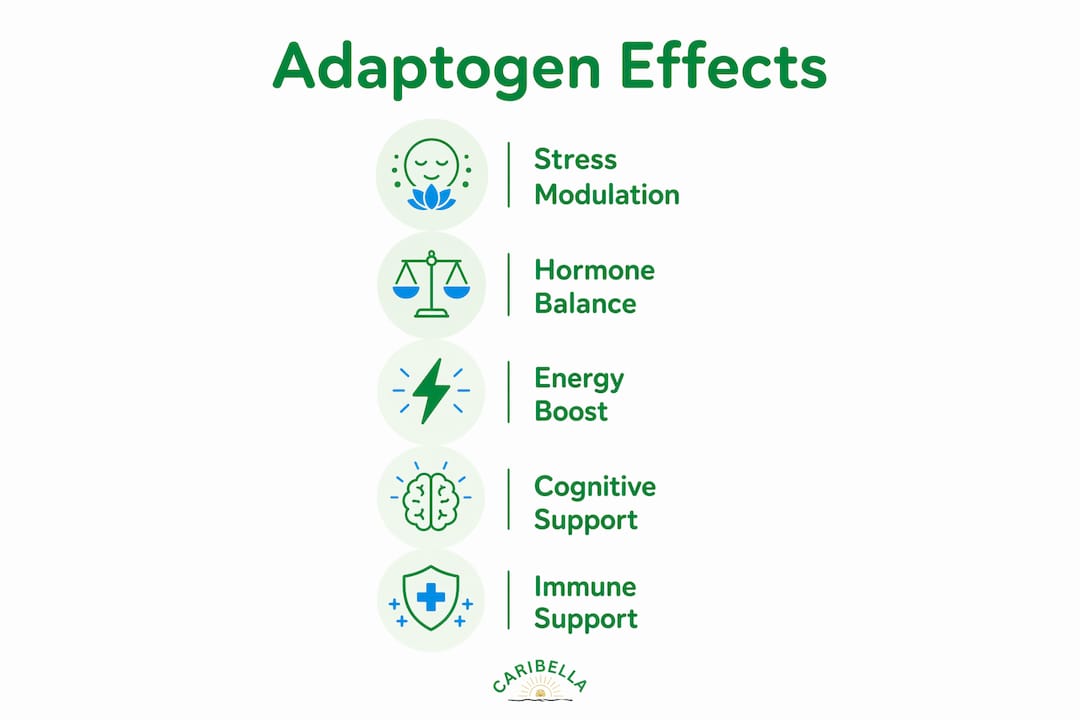
Adaptogens work primarily by regulating the hypothalamic-pituitary-adrenal (HPA) axis, the central system governing your cortisol response. Rather than suppressing cortisol outright, they help the brain regulate cortisol levels more precisely, raising them when depleted and dampening them when chronically elevated. This bidirectional action is what distinguishes adaptogens from stimulants, which only push the system in one direction.
At the molecular level, adaptogens demonstrate pleiotropic activity, meaning they modulate multiple signalling pathways simultaneously rather than hitting a single target. Key pathways include NF-κB, which governs inflammatory responses, and SAPK/JNK, which is activated under cellular stress. A single-target pharmaceutical cannot replicate this breadth of action, which partly explains why adaptogens produce effects across mood, fatigue, immunity, and cognition rather than one isolated outcome.
The bioactive compounds responsible vary by herb. Ashwagandha’s withanolides bind to stress-response receptors and reduce inflammatory signalling. Rhodiola’s rosavins and salidroside influence serotonin and dopamine transport, which explains its particular relevance for mental fatigue. Herbal medicine activates the body’s own regulatory capacities rather than replacing them, which is why effects build gradually rather than appearing overnight.
Pro Tip: If you are new to adaptogens, start with a single herb at the lower end of the clinical dosing range (240 mg per day) for at least eight weeks before assessing results. Combining multiple adaptogens before establishing your individual response makes it impossible to identify what is working.
Which adaptogenic herbs suit which goals?
Only a few adaptogens are thoroughly validated in human trials, and each has a distinct profile of benefits tied to its specific bioactive compounds. Choosing the right herb means matching its evidence base to your primary wellness goal rather than selecting based on marketing claims.
Here is how the most studied options compare:
- Ashwagandha is the strongest choice for chronic stress, elevated cortisol, and disrupted sleep. Its withanolides act directly on the HPA axis and have been validated in multiple randomised controlled trials. It is the adaptogen with the most consistent human evidence across diverse populations.
- Rhodiola rosea suits people dealing with mental fatigue, burnout, or performance pressure. Its rosavins influence neurotransmitter balance, making it particularly relevant for cognitive endurance rather than physical stress alone.
- Holy basil (Tulsi) has a long history in Ayurvedic medicine for anxiety and blood glucose regulation. Human trial data is more limited than ashwagandha, but the existing evidence is promising for mild anxiety and general stress resilience.
- Panax ginseng is one of the oldest documented adaptogens, with evidence for immune support and physical energy. Results across trials are more mixed than ashwagandha, partly because ginsenoside content varies significantly between products.
- Bacopa monnieri is best supported for cognitive function and memory consolidation, particularly in adults over 40. It is not primarily a stress herb but qualifies as an adaptogen through its normalising effects on the nervous system.
- Schisandra chinensis has a strong traditional reputation for endurance and liver protection, but most supporting data comes from animal studies. It is worth watching as human trial data matures, but not yet a first-choice option for evidence-based use.
For women navigating midlife stress and hormonal shifts, balancing hormones naturally is a related goal where adaptogen selection becomes particularly relevant, as ashwagandha and holy basil both show effects on hormonal signalling pathways.
Common misconceptions about adaptogenic herbs
The biggest misconception about adaptogens is that they work like caffeine. They do not. Adaptogens require consistent dosing over 8 to 12 weeks to produce measurable physiological changes. Taking an ashwagandha capsule before a stressful meeting will not produce a noticeable effect. This distinction matters because people who expect immediate results often abandon a protocol before the cumulative benefits appear.
A second widespread problem is the quality gap in the supplement market. Many marketed adaptogens do not meet all three of Lazarev’s original scientific criteria, and supplement regulation in most Western countries is minimal. A product labelled “adaptogenic blend” may contain unstandardised powders with negligible concentrations of the active compounds that clinical trials actually tested. The clinical evidence for ashwagandha, for example, is based on standardised KSM-66 or Sensoril extracts, not generic root powder.
Pro Tip: When buying adaptogen supplements, look for products that specify the extract standardisation on the label. For ashwagandha, look for “standardised to 5% withanolides.” For Rhodiola, look for “standardised to 3% rosavins and 1% salidroside.” Generic labels with no standardisation data are a reliable indicator of inconsistent potency.
Two further points worth knowing:
- Adaptogen classification has no formal recognition in Western regulatory medicine. No health authority approves health claims for adaptogens, which means product labelling is largely unregulated and consumer education is the primary safeguard.
- Not every herb with stress-related marketing qualifies as an adaptogen. Valerian root, for instance, is a sedative rather than an adaptogen. Maca is a nutritional root with some energy-related effects but does not meet the nonspecific stress resistance criterion. For a broader view of herbal options for energy, it helps to understand where the adaptogen category ends and general herbal wellness begins.
How to use adaptogenic herbs in your daily routine
Practical use of adaptogens comes down to three decisions: which herb, which format, and how long.
- Choose one herb with a clear goal. Match the herb to your primary concern using the evidence profiles above. Ashwagandha for stress and cortisol, Rhodiola for mental fatigue, Bacopa for cognitive support.
- Select a standardised extract format. Capsules and tinctures using standardised extracts deliver the most consistent dosing. Herbal teas offer a gentler, lower-dose option that suits daily ritual and mild stress support rather than clinical-level intervention.
- Commit to 8 to 12 weeks at the recommended dose. The clinical dose range of 240 to 600 mg per day is the window where measurable effects appear. Starting at the lower end and adjusting after four weeks is a sensible approach.
- Pair with complementary lifestyle practices. Adaptogens work alongside sleep hygiene, regular movement, and dietary quality, not instead of them. Their effects on the HPA axis are amplified when the body is not simultaneously under nutritional or sleep-related stress.
- Consult a healthcare professional if you take prescription medication. Ashwagandha and Rhodiola both interact with thyroid medications and sedatives. This is not a reason to avoid them, but it is a reason to have a brief conversation with your GP before starting. A safe herbal remedies workflow is worth reviewing if you are managing multiple supplements or medications simultaneously.
Adaptogenic herbs can modulate cortisol, mood, fatigue, and cognitive function, but effects are specific to herb type and dosage. There is no universal adaptogen. The right protocol is the one matched to your physiology and goals.
Key takeaways
Adaptogenic herbs work by modulating the HPA axis and multiple stress-response pathways simultaneously, with measurable benefits appearing only after consistent dosing over 8 to 12 weeks.
| Point | Details |
|---|---|
| Definition matters | A true adaptogen must be non-toxic, produce nonspecific stress resistance, and normalise physiology. |
| Ashwagandha leads the evidence | Standardised ashwagandha extracts show statistically significant cortisol and stress score reductions in RCTs. |
| Quality determines efficacy | Standardised extracts with known bioactive concentrations outperform generic powders in every clinical measure. |
| Effects are not immediate | Consistent dosing over 8 to 12 weeks is required before physiological changes become measurable. |
| Herb selection should match your goal | Rhodiola suits mental fatigue, ashwagandha suits chronic stress, and Bacopa suits cognitive support. |
Why I think most people are using adaptogens wrong
People discover adaptogens during a period of high stress and expect them to function like a natural Xanax. When nothing happens in the first two weeks, they conclude the category is overhyped and move on. What they have actually done is run an underpowered experiment with the wrong expectations.
The herbs with the strongest evidence, ashwagandha and Rhodiola, require the body to accumulate bioactive compounds over weeks before the HPA axis begins to recalibrate. I have seen this pattern repeatedly: people who stick with a standardised extract for a full 12-week cycle report genuine shifts in how they respond to pressure, not a sedated calm, but a wider window before the stress response fires. That is precisely what the clinical data predicts.
What I find genuinely underappreciated is the quality gap. Most people buying adaptogens from general health retailers are getting unstandardised powders that bear little resemblance to the extracts tested in trials. The difference between KSM-66 ashwagandha and a generic root powder is not marginal. It can be the difference between a measurable cortisol reduction and no effect at all. Choosing products with transparent standardisation data is the single most important decision in this category, more important than which herb you choose.
My broader view is that adaptogens are best understood as one layer of a stress management approach rather than a standalone solution. Paired with consistent sleep, whole food nutrition, and movement, they amplify the body’s existing regulatory capacity. Used as a substitute for those foundations, they deliver far less.
— Nicole
Support your wellness with Caribella’s natural range
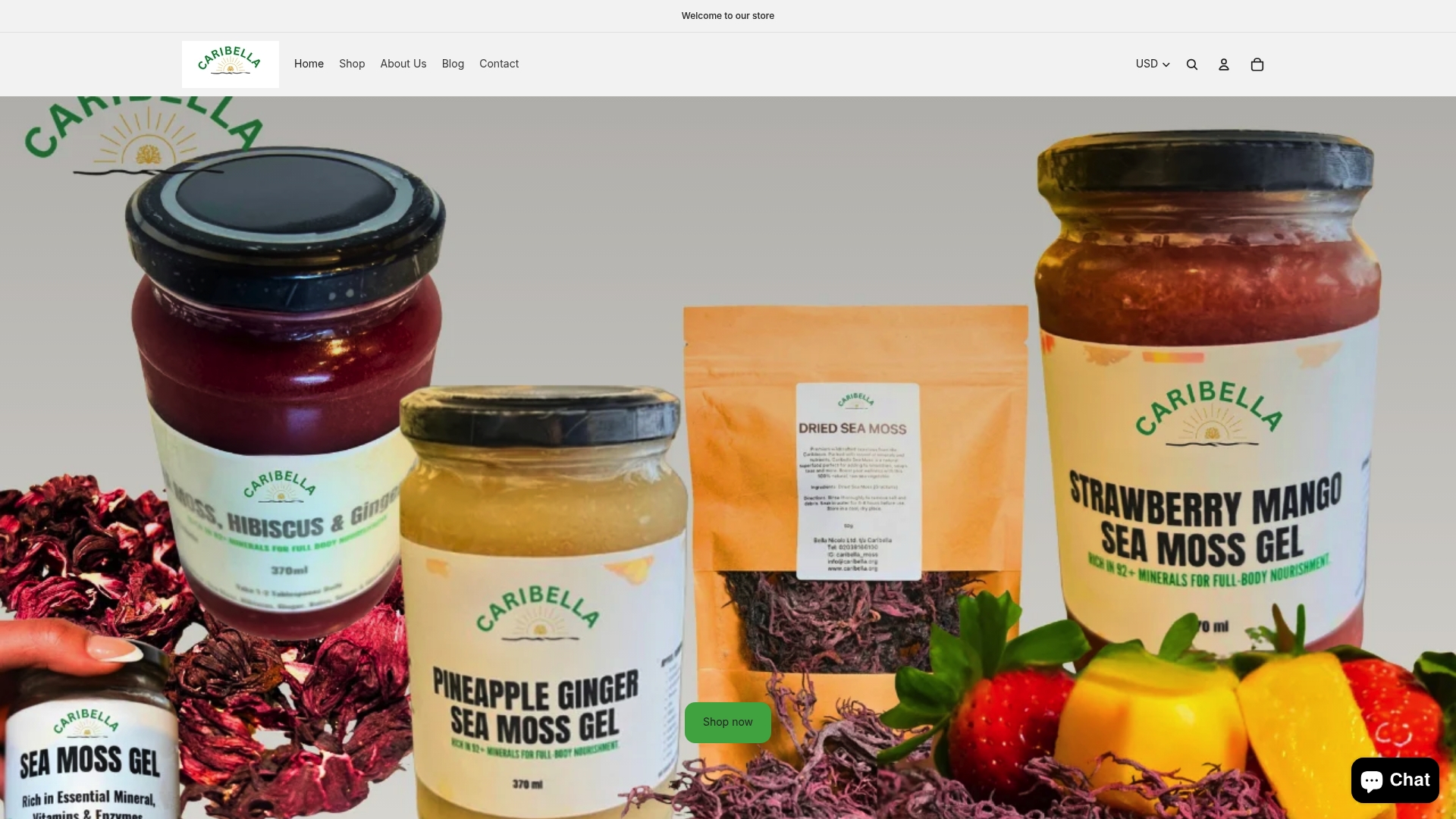
Adaptogens work best as part of a broader commitment to natural, plant-based wellness. Caribella’s range is built on exactly that principle, drawing on Caribbean herbal traditions to create products that complement daily stress management and energy support. Caribella’s herbal teas include calming and restorative blends that pair naturally with an adaptogen protocol, offering a gentle daily ritual alongside your capsule or tincture routine. For broader nutritional support, Caribella’s sea moss gels provide a mineral-rich base that supports immunity, digestion, and sustained energy. Every product uses carefully selected natural ingredients with no unnecessary additives.
FAQ
What are adaptogenic herbs, exactly?
Adaptogenic herbs are plant substances that meet three scientific criteria: non-toxicity, nonspecific resistance to stress, and a normalising effect on physiology. Ashwagandha and Rhodiola rosea are the most clinically validated examples.
How long do adaptogenic herbs take to work?
Clinical trials show measurable effects at 8 to 12 weeks of consistent dosing at 240 to 600 mg per day. Expecting results in days or a single week is not supported by the evidence.
Are all adaptogenic herbs equally effective?
No. Ashwagandha and Rhodiola have strong human clinical trial data, while herbs like Schisandra rely primarily on animal studies. Efficacy also depends heavily on whether the product uses a standardised extract.
Can adaptogenic herbs cause side effects?
Most well-studied adaptogens are well-tolerated at clinical doses, but ashwagandha and Rhodiola interact with thyroid medications and sedatives. Consulting a GP before use is advisable if you take prescription medication.
What is the difference between an adaptogen and a stimulant?
Stimulants push the stress response in one direction, typically upward. Adaptogens modulate the HPA axis bidirectionally, supporting cortisol regulation rather than overriding it, which is why their effects build gradually rather than appearing immediately.