

Not all supplement formats are created equal, and gel capsules sit in a category of their own. If you have been standing in a pharmacy aisle or scrolling through an online shop wondering why gel capsules seem to dominate the supplement market, you are not alone. The confusion around what is gel vs capsule, and how different formats affect your health outcomes, is entirely understandable. This article cuts through the noise to explain the real advantages of gel capsules, who benefits most from them, and how to choose the right one for your needs.
Table of Contents
- Key takeaways
- What are gel capsules?
- Key advantages of gel capsules
- Formulation compatibility and stability
- Gel capsules vs tablets: a direct comparison
- Choosing the right gel capsule supplement
- My take on gel capsules after years in wellness writing
- Discover Caribella’s capsule range
- FAQ
Key takeaways
| Point | Details |
|---|---|
| Gel capsules protect sensitive nutrients | Hermetically sealed softgels block moisture and oxygen, preserving potency better than most other formats. |
| Fat-soluble vitamins absorb better in softgels | Oil-based fills in softgels improve absorption of vitamins D3, K2, E, and A significantly. |
| Capsule type affects shelf life | Proper moisture control can extend sensitive supplement shelf life from months to years. |
| Shell material matters for your diet | Gelatin shells are animal-derived; HPMC shells offer a plant-based alternative for vegans and vegetarians. |
| Matching format to ingredient is critical | Softgels suit oil-based nutrients; hard capsules work better for dry powders and herbal blends. |
What are gel capsules?
Before understanding why use gel capsules, you need a clear picture of what they actually are. The term “gel capsule” typically refers to two distinct types: softgel capsules and hard gelatin capsules. Consumers frequently conflate the two, which leads to poor purchasing decisions.
Softgel capsules are one-piece, hermetically sealed shells made from a gelatin and plasticiser blend. The fill inside is always oil-based or lipophilic, meaning it is a liquid or semi-liquid rather than a powder.
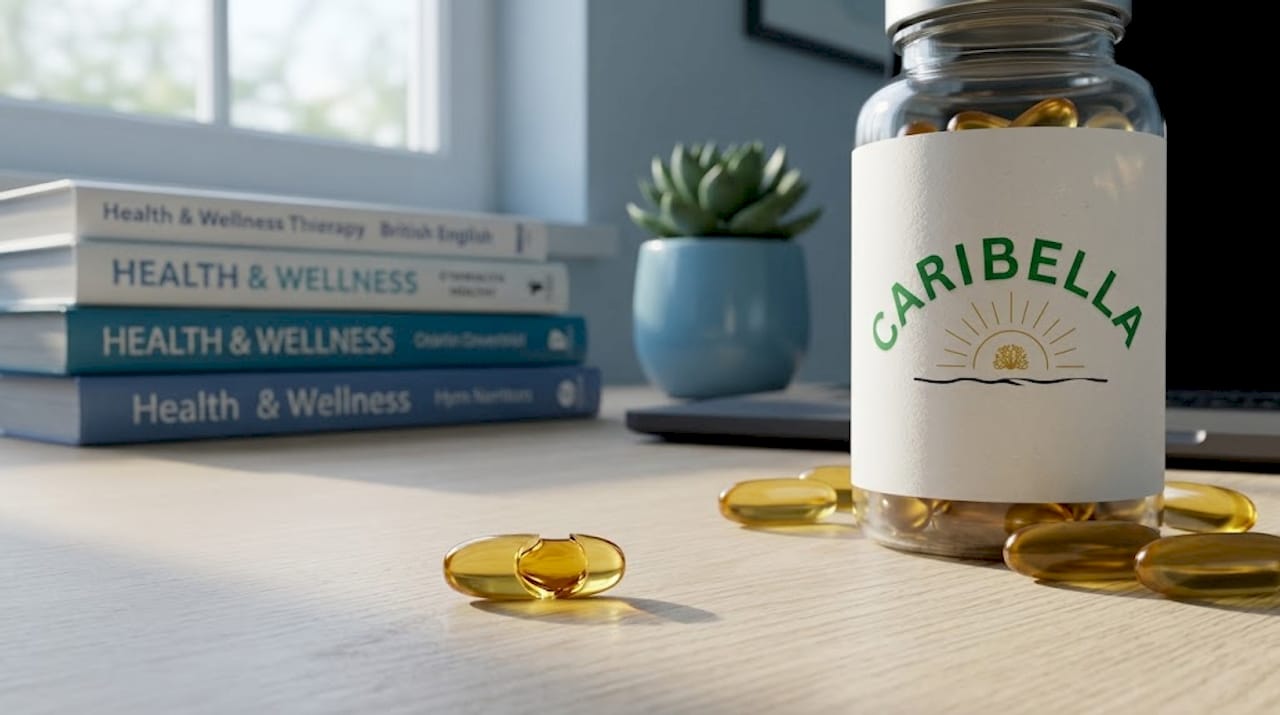
Hard gelatin capsules (also called two-piece capsules) consist of a cap and body that fit together. They are typically filled with dry powders, granules, or pellets. Both types share a gelatin shell, but their structure and ideal contents differ considerably.
Here is a quick breakdown of the main types:
- Softgel capsules: One-piece, sealed, oil or lipid-based fill, smooth oval shape
- Hard gelatin capsules: Two-piece, filled with dry powders or complex herbal blends, easier to manufacture at scale
- HPMC (plant-based) capsules: Derived from hydroxypropyl methylcellulose rather than animal gelatin; vegan-friendly capsules with lower moisture affinity
- Liquid-filled hard capsules: A newer format combining aspects of both, used for specialised formulations
The shell of a standard gelatin capsule comes from animal collagen, typically bovine or porcine. For those with dietary or religious restrictions, HPMC capsules offer an increasingly popular alternative without compromising quality. Caribella, for instance, pays close attention to shell origin when formulating its plant-based capsule range, because it understands that who you are shapes what you need.
Key advantages of gel capsules
There are concrete, formulation-based reasons why gel capsules dominate the supplement world. Understanding the benefits of using gel capsules helps you make genuinely informed choices rather than defaulting to habit.
- Ease of swallowing: The smooth oval shape and lubricity of softgels make them noticeably easier to swallow than tablets or hard capsules, which matters especially as you get older and swallowing difficulties become more common.
- Superior ingredient protection: Softgels are hermetically sealed, providing a stronger barrier against moisture and oxygen than two-piece hard capsules. This directly preserves the potency of what is inside.
- Better bioavailability for fat-soluble nutrients: Softgels deliver oil-soluble vitamins like D3, K2, E, and A in a pre-dispersed lipid base, which the body can absorb far more readily than compressed powder in a tablet.
- Taste and odour masking: The sealed shell fully contains the fill, so you never taste the supplement. This is a genuine quality-of-life advantage for anyone taking fish oil, turmeric, or other pungent compounds.
- Faster dissolution: Gelatin capsules dissolve quickly in stomach acid, releasing active ingredients rapidly for a quicker onset compared to many tablet formulations.
- Cleaner formulations: Softgels typically require fewer binders and fillers than tablets, which rely on those excipients to hold their compressed shape.
Pro Tip: If you take vitamin D3, look specifically for a softgel format. Studies consistently show that oil-based D3 supplements are absorbed more efficiently than dry powder equivalents, particularly when taken without a fatty meal.
The advantages of gel capsules are not marketing claims. They are rooted in chemistry, formulation science, and how your digestive system actually processes different materials.
Formulation compatibility and stability
The science behind why gel capsules work better for certain ingredients is worth understanding, especially if you are investing in supplements for long-term health.
Softgels must contain oil-based fills by design. This is not a limitation; it is precisely what makes them exceptional for fat-soluble vitamins and omega-based nutrients. When vitamin D3, for example, is suspended in a lipid base inside a softgel, it arrives in your digestive system already dissolved and ready for absorption through the intestinal wall. A dry powder tablet requires your body to do that dissolution work itself, and the results are inconsistent.
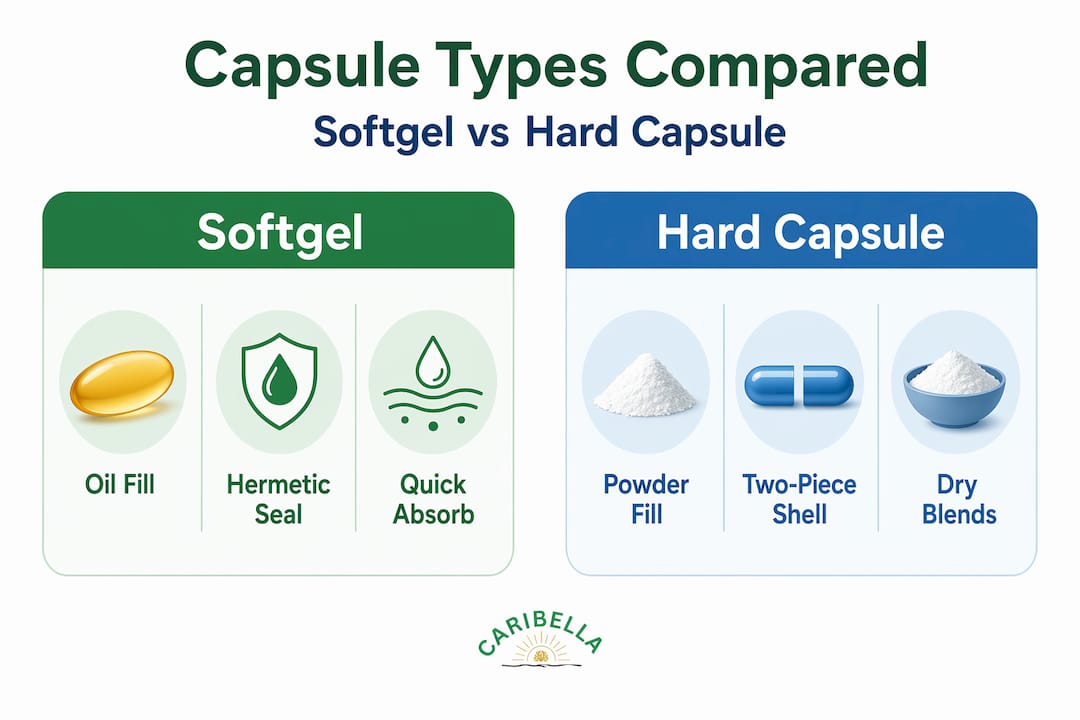
Hard capsules, by contrast, are the better choice for dry botanical blends, probiotics in powder form, and herbal extracts that do not require a lipid carrier. Hard capsules support consistent dosing across large manufacturing batches, which is why they are widely used in herbal supplement lines.
| Format | Best fill type | Moisture barrier | Ideal for |
|---|---|---|---|
| Softgel capsule | Oil or lipid-based | Excellent (hermetically sealed) | Fat-soluble vitamins, omega oils |
| Hard gelatin capsule | Dry powder or granules | Moderate | Herbal blends, probiotics, adaptogens |
| HPMC (plant-based) capsule | Dry powder or granules | Good (lower moisture affinity) | Vegan formulations, moisture-sensitive powders |
| Tablet | Dry powder with binders | Low | High-dose minerals, extended-release formulas |
Moisture is the silent enemy of supplement quality. Moisture control with desiccants has been shown to extend the shelf life of sensitive oil-based supplements from around six months to over 24 months, which is a remarkable difference in the potency you actually receive throughout the product’s life.
Hard gelatin capsules also have a specific equilibrium moisture requirement. Their ideal moisture content sits between 13% and 16%; stray outside that range and capsules become brittle or sticky, both of which affect manufacturing quality and ultimately what reaches you.
Pro Tip: When buying oil-based supplements like sea moss gel or omega-3s in capsule form, check that the product uses a desiccant in its packaging. It is a reliable signal that the manufacturer understands stability.
Gel capsules vs tablets: a direct comparison
So, are gel capsules better than tablets across the board? The answer depends on what you are taking and why. Here is an honest side-by-side view.
| Factor | Gel capsules | Tablets |
|---|---|---|
| Swallowability | Easy, smooth shell | Often large and chalky |
| Taste masking | Complete (sealed fill) | Partial (coating can wear) |
| Absorption speed | Fast (especially softgels) | Variable, often slower |
| Bioavailability for fat-soluble nutrients | High | Lower without dietary fat |
| Excipient load | Low | Higher (binders, fillers needed) |
| Manufacturing cost | Moderate to higher | Lower at scale |
| Fill flexibility | Oil or powder, depending on type | Dry powder and compressed solids only |
| Shelf life | Longer with proper sealing | Good with coating, moisture-sensitive |
The advantages of capsules versus tablets become especially clear when the active ingredient is a fat-soluble compound, a botanical extract with a strong flavour, or a sensitive nutrient that degrades quickly. Tablets win on cost and are practical for high-dose minerals like magnesium or calcium, where volume matters more than lipid delivery.
For most people over 30 adding a wellness supplement to their routine, the gel capsules vs tablets question often resolves to this: if the nutrient needs fat for absorption, choose a softgel. If you are taking a complex herbal blend, a high-quality hard capsule or plant-based capsule is likely your best option. If the dose is very high and cost matters more than speed of absorption, a tablet may serve perfectly well.
Choosing the right gel capsule supplement
Knowing the uses of gel capsules is one thing. Knowing which product to actually buy is another. Here is a practical framework for selecting well.
-
Match the format to the ingredient. Oil-soluble vitamins like D3, K2, and E belong in softgels. Herbal blends, sea moss, and spirulina typically work well in hard or plant-based capsules. For guidance on choosing the right capsule format for your specific health goals, the ingredient type should always be your starting point.
-
Check the shell material. If you follow a plant-based diet or have religious restrictions on porcine or bovine gelatin, look for HPMC or other plant-derived capsule shells. Most reputable brands state this clearly on the label.
-
Prioritise swallowability if it is a concern. Softgels are the easiest format to swallow. If tablets or hard capsules have put you off supplements in the past, a softgel may genuinely change that experience. Women over 40, in particular, may find the guidance in Caribella’s safe capsule use guide useful for navigating these choices.
-
Assess manufacturing quality. Look for GMP (Good Manufacturing Practice) certification, clear expiry dates, and transparent ingredient lists. A short, recognisable ingredient list is generally a good sign.
-
Store correctly from day one. Keep capsules in a cool, dry place away from direct sunlight. Moisture is the primary failure mode for sensitive supplements, particularly softgels with oil-based fills. Avoid storing them in bathrooms, where humidity fluctuates daily.
-
Consider your daily routine. The best supplement is the one you actually take. If a softgel’s ease of swallowing means you are consistent where you were not before, that practical advantage is worth more than any marginal formulation difference.
My take on gel capsules after years in wellness writing
I have spent years reviewing supplement products and speaking with formulators, and one pattern stands out clearly. Most consumers choose supplements based on brand recognition or price, and almost none of them consider whether the delivery format suits the ingredient inside the capsule.
What I have found, time and again, is that softgel choice comes down to compatibility, not just marketing. A beautifully packaged vitamin D3 tablet from a premium brand may genuinely deliver less of what you need than a basic softgel from a mid-tier manufacturer, purely because of how the ingredient behaves in each format.
For adults over 30, this matters more than it does for younger people. Nutrient absorption becomes less efficient with age. Gastric acid production declines, gut transit time changes, and the margin between “adequate” and “deficient” narrows. Spending money on a supplement that is not optimally formulated is not just wasteful. It can leave genuine health needs unmet.
My honest advice: prioritise the formulation before the brand. Read the label. Check the shell type. And if an oil-soluble nutrient is not in a softgel or a lipid-based delivery system, ask yourself why. The supplement market is enormous and not always transparent, but the science of delivery is straightforward once you know what to look for.
— Nicole
Discover Caribella’s capsule range
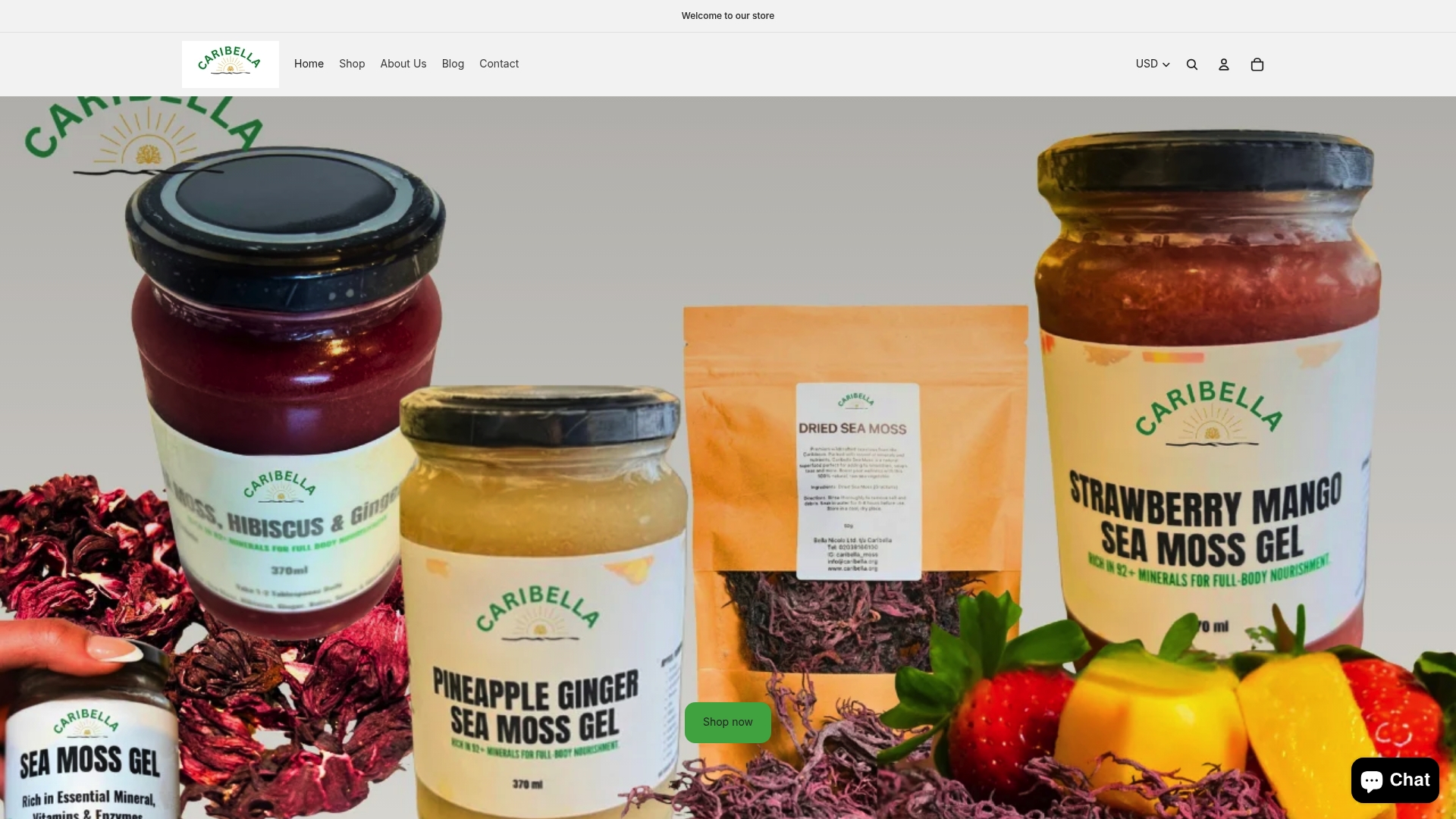
Caribella brings together Caribbean botanical tradition and thoughtful formulation to create capsule supplements that are genuinely worth taking. The Women’s Wellness Capsules are a good example: carefully selected natural ingredients, plant-based capsule shells, and formulations designed for the real health needs of women over 30. Caribella also offers sea moss and bladderwrack capsules for those seeking a whole-food supplement in a convenient daily format. If you prefer a gel-based approach to your wellness routine, the sea moss gel collection offers premium options that complement capsule supplements perfectly. Every Caribella product reflects an honest commitment to quality, natural ingredients, and formats that actually work for your body.
FAQ
What is the difference between a softgel and a hard capsule?
A softgel is a one-piece, hermetically sealed capsule filled with oil or liquid; a hard capsule is a two-piece shell designed for dry powders and granules. The choice between them depends on the ingredient type and required bioavailability.
Why use gel capsules instead of tablets?
Gel capsules dissolve faster, contain fewer binders, and are easier to swallow. Softgels in particular improve the absorption of fat-soluble nutrients like vitamins D3 and K2, which tablets deliver less efficiently.
Are gel capsules suitable for vegans?
Standard gelatin capsules are derived from animal collagen, so they are not vegan. HPMC plant-based capsules offer a suitable alternative and are increasingly used by wellness brands, including options within Caribella’s range.
How do gel capsules improve bioavailability?
Softgels pre-disperse oil-soluble nutrients in a lipid base, making them immediately available for intestinal absorption. This bypasses the dissolution step required for tablets, leading to faster and more consistent uptake.
How should I store gel capsule supplements?
Store them in a cool, dry location away from sunlight and humidity. Moisture is the primary threat to capsule integrity, and poor storage can significantly reduce potency long before the printed expiry date.