

If you have ever tried a single herb for sleep and wondered why it barely made a dent, you are not alone. The question of why herbal blends for sleep outperform solo remedies is one that stumps many women who turn to natural solutions after years of restless nights. The short answer: insomnia rarely has one cause, and a single herb can only address one mechanism at a time. Blends work because they layer complementary actions, targeting mental restlessness, physical tension, and stress hormones simultaneously. This article breaks down the science, the safety, and the practical choices that actually make a difference.
Table of Contents
- Key takeaways
- Why herbal blends for sleep address more than one problem
- What the evidence says about efficacy and proper use
- Choosing the right blend for your sleep challenge
- Making herbal sleep blends part of your nightly routine
- My honest take on herbal blends for sleep
- Sleep better with Caribella’s herbal range
- FAQ
Key takeaways
| Point | Details |
|---|---|
| Blends outperform single herbs | Combining herbs targets multiple sleep disruption causes at once, making blends more effective for most people. |
| Consistent use matters | Allow at least one to two weeks of nightly use before deciding whether a blend is working for you. |
| Simpler formulas are better | Transparently dosed two or three herb blends outperform proprietary products stuffed with tiny, ineffective doses. |
| Timing and ritual count | Herbal tea for sleep works best when paired with a calming pre-bed routine, around 30 to 60 minutes before sleep. |
| Safety requires attention | Some herbs interact with medications and alcohol, so check with a healthcare provider if you take any prescriptions. |
Why herbal blends for sleep address more than one problem
Most sleep difficulties are not simple. You might lie awake with a racing mind, physically tense shoulders, and cortisol levels that have not come down from a demanding day. A single herb like chamomile can take the edge off mild anxiety, but it does not touch the cortisol piece. Valerian root may support your GABA levels, but it won’t quieten an overthinking mind the way passionflower can. This is where the logic of blending becomes clear.
Herbal blends use multiple mechanisms to support sleep, with key herbs working along different physiological pathways:
- Valerian root inhibits the breakdown of GABA in the brain, reducing nervous system activity and supporting deeper sleep.
- Passionflower boosts GABA neurotransmitter activity, reducing the anxious thought loops that keep you awake.
- Lemon balm gently inhibits GABA breakdown while also lowering stress-related nervous system activation.
- Ashwagandha works on cortisol regulation, making it particularly useful for stress-induced insomnia.
- Chamomile binds to benzodiazepine receptors in the brain in a mild, non-habit-forming way, supporting relaxation.
When these herbs are combined thoughtfully, their effects work in complementary ways, addressing mental restlessness, physical tension, and hormonal stress responses together. That layering is what single herbs simply cannot replicate.
“The power of a blend lies in creating a gentle transition into rest, not sedation. It supports the body’s own systems rather than overriding them.”
This distinction matters greatly. Herbal blends are not sleeping pills in disguise. They are gentler than pharmaceutical sedatives, with a far lower risk of morning grogginess or dependency. For women over 30 who are managing busy lives and often fluctuating hormones, that gentleness is not a weakness. It is the whole point.
You can read more about how herbal blends are used across different health contexts to understand the broader picture of their benefits.
What the evidence says about efficacy and proper use
There is a meaningful body of clinical research behind certain herbal sleep ingredients, though it is worth knowing what it does and does not show. Valerian root has been the most studied. Clinical trials show valerian at 400 to 900mg improves sleep quality, particularly sleep latency (the time it takes to fall asleep) and sleep architecture (the depth and quality of sleep cycles).
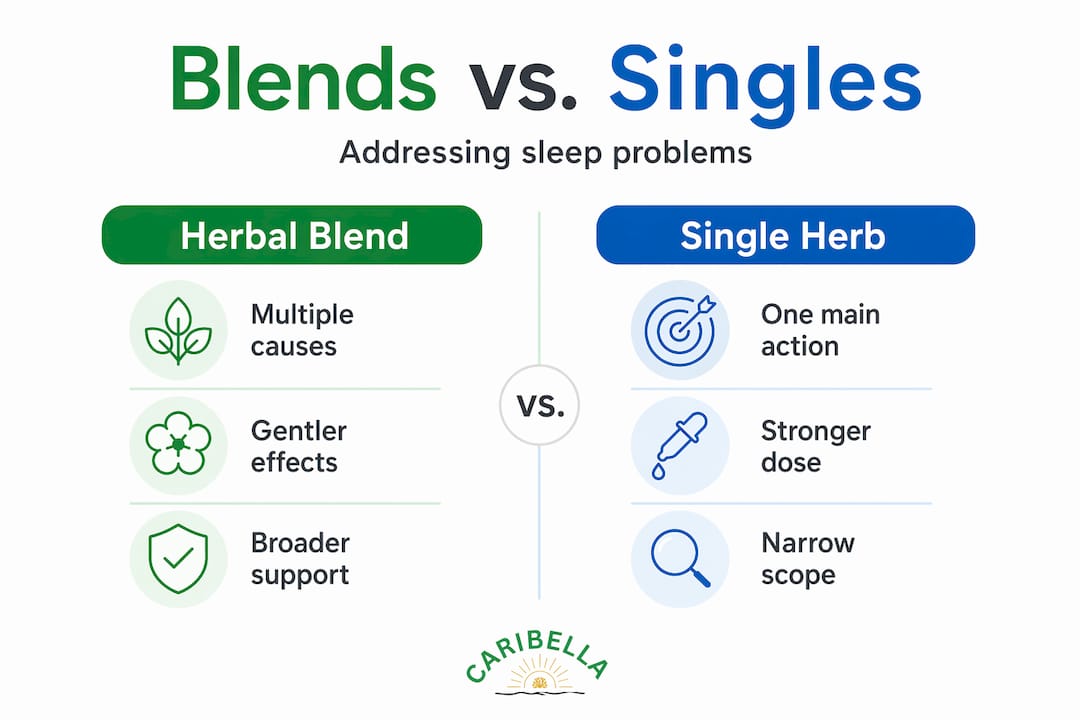
Passionflower has shown promise in reducing the anxious thought patterns that precede sleep, while ashwagandha’s role in lowering cortisol levels makes it a strong candidate for stress-driven insomnia. These are not interchangeable effects. That is precisely why combining them in a blend is rational, not just trendy.
One thing experts consistently flag is timing expectations. Unlike a prescription sedative that acts within an hour, herbal blends often need one to two weeks of consistent use before you notice a genuine shift. This is not a flaw. It reflects how these herbs work: gradually recalibrating your nervous system rather than forcing sedation.
Pro Tip: Do not judge a herbal blend after two or three nights. Set a two-week trial period, use it every evening at the same time, and keep a brief sleep note to track changes in how quickly you fall asleep and how rested you feel.
The quality of the product matters enormously. Research points out that simple, transparently dosed blends outperform proprietary formulas that list 10 or 12 herbs but include each one at a dose too small to do anything meaningful. The table below shows how different blend types compare:
| Blend type | Typical dosage transparency | Efficacy evidence | Best for |
|---|---|---|---|
| Simple two to three herb blend | High: clear amounts per herb | Strong, well-researched | Most adults starting with herbal sleep support |
| Proprietary multi-herb formula | Low: “blend” weight only | Variable, often weak | Those already familiar with individual herbs |
| Single herb extract | High: standardised percentage | Good for specific mechanisms | Targeted support (e.g. cortisol only) |
| Herbal tea (loose or bagged) | Low to moderate | Moderate: ritual value high | Calming pre-sleep routine |
Finally, safety deserves a frank mention. The idea that natural always means risk-free is simply not accurate. Valerian can potentiate sedative medications, and combining any herbal sleep formula with alcohol is not advisable. If you take antidepressants, anti-anxiety medication, or blood thinners, speak with your GP before starting any herbal blend.
Choosing the right blend for your sleep challenge
Not every sleepless night has the same cause, and the best herbal blend for you depends on what is actually happening when you cannot sleep. There is a real difference between lying awake with a spinning mind and waking at 3am with a pounding heart. Getting this right makes a significant difference.
Here is how common sleep challenges map to specific blend types:
- Anxious mind at bedtime: Reach for a blend of valerian, passionflower, and lemon balm. This combination addresses multiple GABA pathways and calms repetitive anxious thinking before it can prevent sleep onset.
- Stress-induced insomnia: Ashwagandha paired with passionflower and magnesium works well here. Ashwagandha specifically targets the cortisol dysregulation that keeps your system in a low-grade alert state, even when you are physically exhausted.
- Easing in gently: If you are new to herbal sleep support, a chamomile and lemon balm blend is a gentle starting point with minimal risk and a pleasant taste profile. Starting with two herbs before moving to more complex blends makes it easier to understand which herbs are helping you.
- Difficulty staying asleep: Valerian combined with hops (humulus lupulus) has the strongest evidence for improving overall sleep architecture, not just sleep onset.
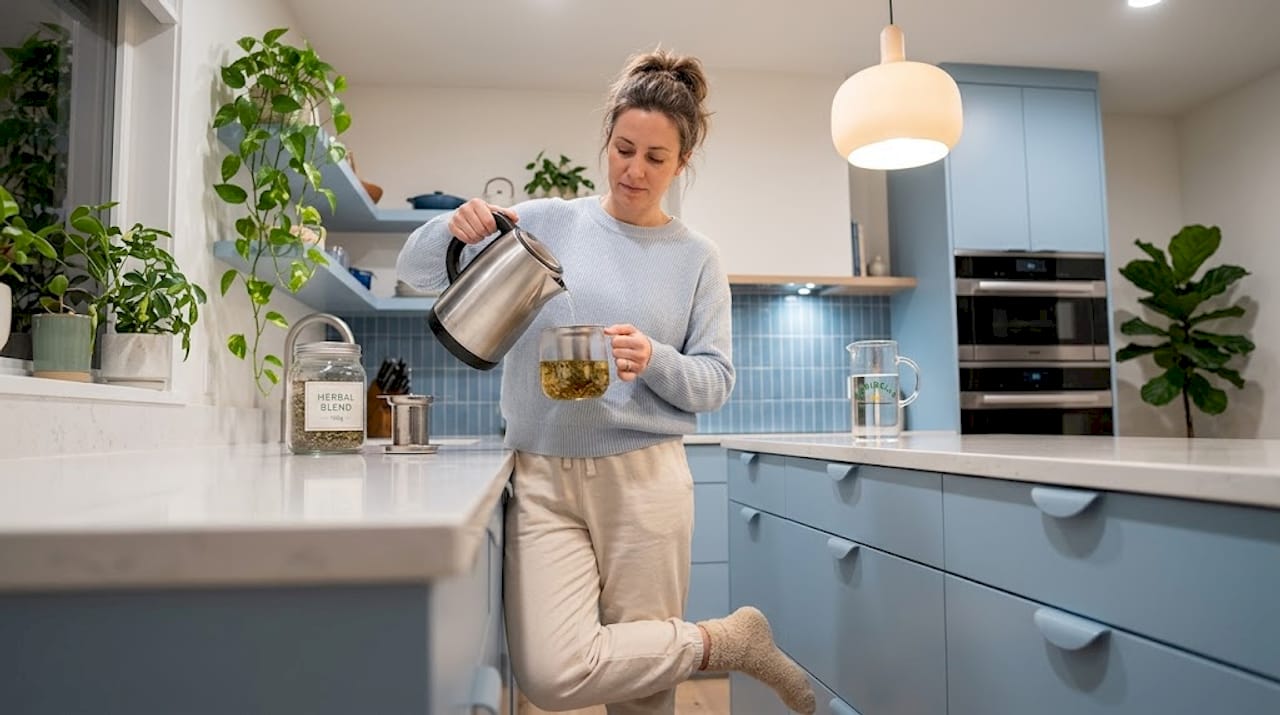
Timing is equally important when you are using herbal tea for sleep. Drink your tea 30 to 60 minutes before bed, not right before you turn off the light. This gives the herbs time to begin working and also establishes a psychological cue that sleep is approaching.
One practical note: check your herbal tea blend for diuretic ingredients. Herbs like dandelion or parsley may cause nighttime awakenings if consumed close to bedtime, which is the opposite of what you are trying to achieve. Always read the full ingredient list.
Making herbal sleep blends part of your nightly routine
Knowing which herbs to use is only part of the picture. How you use them matters just as much. Here is a practical approach that sets you up for success:
-
Choose products with transparent dosages. Look for blends that state the exact amount of each herb, not just a total “proprietary blend” weight. This is the single most reliable indicator of a quality product.
-
Start with one or two herbs. Before moving to a five or six herb blend, try a simpler formula for two weeks. This helps you identify what is working and reduces the chance of an unexpected reaction.
-
Check for interactions. If you take any regular medication, review potential herb-drug interactions with your pharmacist or GP. This is not overcautious. It is just sensible.
-
Build a pre-sleep ritual. The physiological effects of herbs are genuinely enhanced by consistent use within a calming routine. Dim the lights, step away from screens, and make brewing your tea a quiet, deliberate act. The ritual itself signals your nervous system that rest is near.
-
Consider pairing a capsule with your tea. Combining extract capsules with herbal tea addresses both the biochemical and the psychological sides of sleep support. A standardised ashwagandha capsule alongside a chamomile and lemon balm tea is a good example of this dual approach.
Pro Tip: If you find yourself wide awake despite using a blend for two weeks, do not automatically increase the dose. Instead, look at your sleep hygiene first. Herbal support works best when other fundamentals, like consistent wake times and reduced evening light, are also in place.
My honest take on herbal blends for sleep
I have spoken with a lot of women over 30 who come to herbal sleep solutions feeling quietly desperate. They have tried everything from magnesium to melatonin and still find themselves staring at the ceiling at midnight. What I have noticed is that the disappointment often comes from two places: expecting too much too quickly, and using poorly formulated products.
Herbal blends genuinely work for most people. But they are not a switch you flip. In my experience, the women who get the most from them are the ones who treat the blend as one part of a broader shift, not as a stand-alone fix. They pair the herbs with a consistent bedtime, some form of wind-down practice, and crucially, they give it time.
The other pitfall I see is overcomplication. Someone reads that valerian, passionflower, lemon balm, ashwagandha, hops, and lavender are all good for sleep, so they seek a product containing all six. That logic sounds reasonable but often backfires. More ingredients does not mean more effect. It frequently means each herb is underdosed, and you end up with something that smells lovely but does very little. Simpler, well-dosed blends almost always deliver better results.
My honest recommendation is to start small, stay consistent, and resist the urge to troubleshoot after a few days. Sleep responds slowly to gentle support. That is not a failure of the herbs. It is just how real change works.
— Nicole
Sleep better with Caribella’s herbal range
If you are ready to put these principles into practice, Caribella has done the sourcing work for you. Inspired by Caribbean plant traditions and made with clearly labelled, quality ingredients, Caribella’s herbal teas collection includes calming blends designed to support relaxation and genuine rest. No proprietary mysteries. No ingredient lists a mile long.
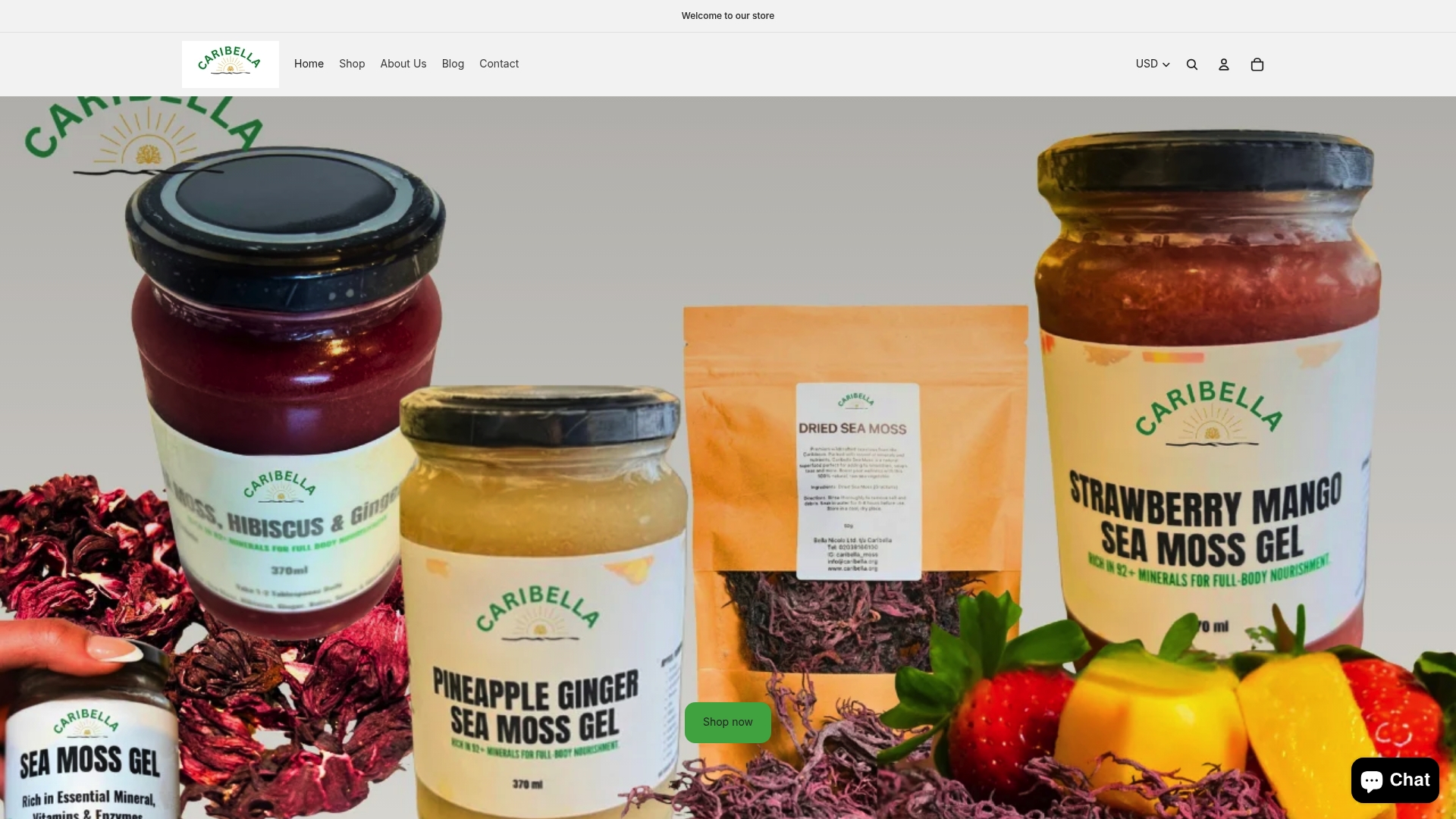
For stress-driven sleep difficulties specifically, Caribella’s organic ashwagandha capsules pair beautifully with an evening tea, giving you that combined physiological and ritual approach that the research points to. Both are crafted to fit naturally into a nightly wind-down routine, making consistency far easier to maintain.
FAQ
What makes herbal blends better than a single sleep herb?
Herbal blends address multiple causes of poor sleep at once, including mental restlessness, physical tension, and elevated cortisol, which a single herb cannot do alone. Combining herbs with complementary actions produces a more complete, layered effect.
How long do herbal sleep blends take to work?
Most herbal sleep blends require one to two weeks of nightly use before you notice consistent improvement. Unlike sedatives, they work by gradually recalibrating your nervous system rather than forcing sleep.
Are herbal sleep blends safe to use every night?
For most healthy adults, gentle herbal blends are safe for regular nightly use. However, some herbs can interact with medications, so anyone taking prescription drugs should speak with their GP before starting a herbal sleep supplement.
Which herbs are best for anxious, overthinking minds at bedtime?
A combination of valerian, passionflower, and lemon balm is well supported for quietening anxious thoughts at bedtime. These herbs work together across multiple GABA pathways to reduce nervous system overactivity.
Can I drink herbal sleep tea and take capsules at the same time?
Yes. Pairing a standardised herbal extract capsule, such as ashwagandha, with a calming herbal tea addresses both the physiological and the ritual aspects of sleep support, making the combination more effective than either form alone.