

Superfood gel is defined as a jelly-like substance made primarily from sea moss, the red algae Chondrus crispus, and marketed for its mineral content and potential wellness benefits. The term “superfood” carries no formal regulatory definition. Nutrition experts at UC Davis confirm that superfood claims are largely marketing labels, often overstating what any single food can deliver. In practice, sea moss gel is the dominant product in this category. Brands like Caribella have built entire ranges around it, offering flavoured and unflavoured versions designed to slot into a daily wellness routine.
What is superfood gel and how is it made?
Sea moss gel is produced from Chondrus crispus, a species of red algae harvested primarily from the Atlantic coastlines of Ireland, the Caribbean, and North America. Caribbean communities have used it for centuries as a natural thickener and tonic. The modern gel form is made by soaking dried sea moss in water for 12–24 hours, then blending it until smooth. The result is a thick, translucent gel with a mild, slightly oceanic flavour.
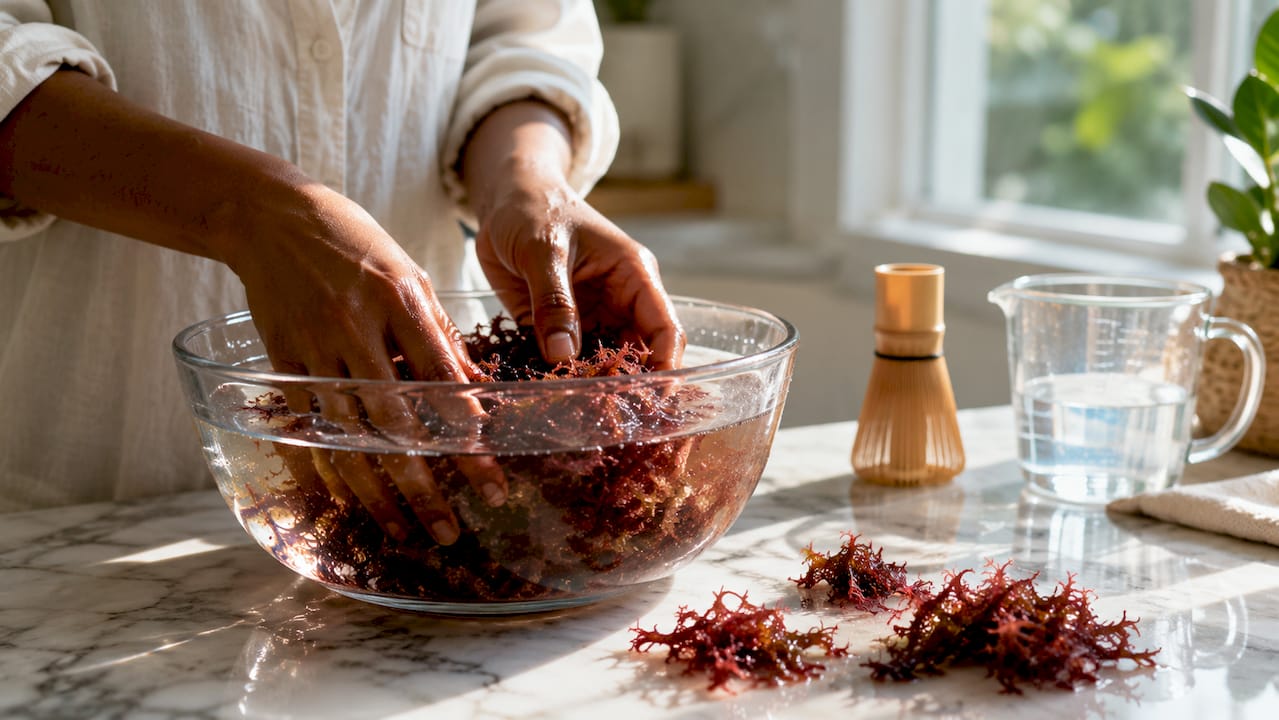
The texture resembles aloe vera, which surprises many first-time users. That slick, dense consistency is what makes it so versatile in recipes. Most people mix it into smoothies or stir it into warm drinks to mask the flavour entirely.
Sea moss is also available in other formats. Here is how the main forms compare:
| Format | Nutrient Density | Convenience | Taste Factor |
|---|---|---|---|
| Gel | Lower (diluted) | Moderate | Noticeable |
| Capsules | Higher (concentrated) | High | None |
| Powder | High | Moderate | Mild |
| Gummies | Lowest | High | Masked |
The gel format is the most traditional and widely used. Capsules and powders deliver more concentrated nutrients per serving, but the gel remains popular for its versatility in food preparation.
Pro Tip: If you are making sea moss gel at home, use filtered water during the soaking stage. Tap water minerals can affect the final texture and shelf life. Caribella’s guide on making sea moss gel walks through the process in detail.
What nutrients does sea moss gel actually contain?
Sea moss gel contains a range of minerals and vitamins, but the amounts per serving are modest. A typical serving of two tablespoons provides approximately 0.3% of the daily value for Vitamin C, 0.7% for Calcium, 1.8% for Zinc, 3.4% for Magnesium, and 11% for Iron. The iron figure stands out, but every other mineral contributes a fraction of what you need daily.
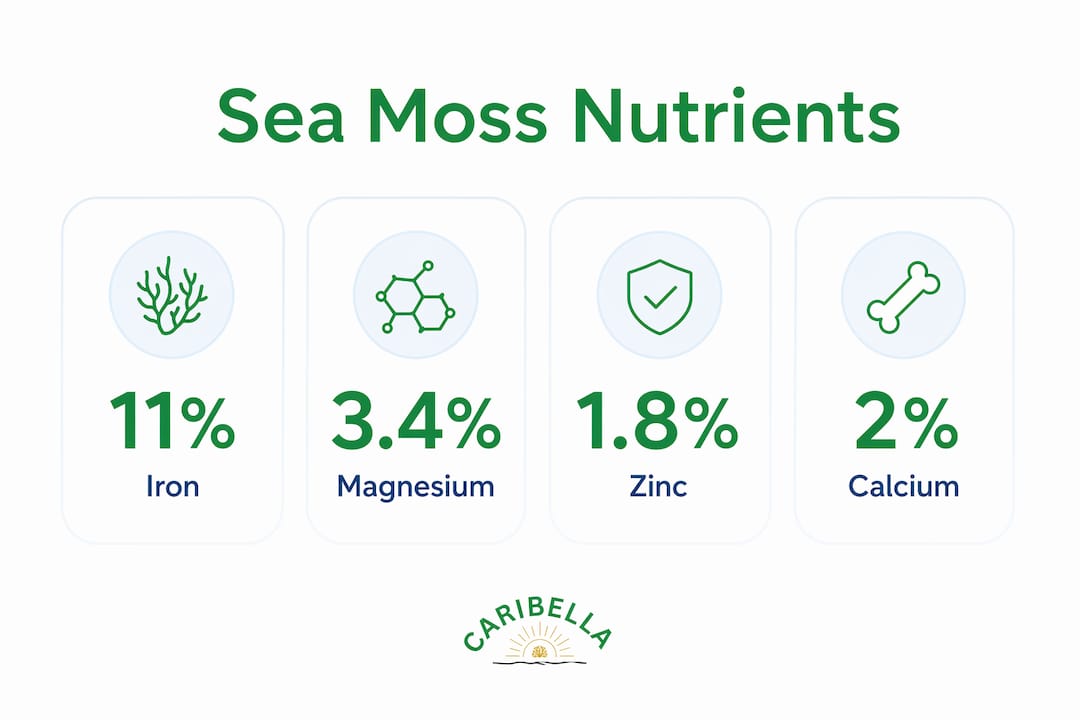
That context matters. Sea moss gel is a supplement, not a meal replacement. Relying on it as a primary mineral source would require consuming unrealistic quantities.
| Nutrient | % Daily Value per 2 tbsp |
|---|---|
| Iron | 11% |
| Magnesium | 3.4% |
| Zinc | 1.8% |
| Calcium | 0.7% |
| Vitamin C | 0.3% |
The widely repeated claim that sea moss contains 92 minerals is a marketing figure. The human body requires approximately 20 essential minerals. That statistic tells you more about the algae’s chemical complexity than about its practical nutritional value.
Gel is also more diluted than powders or capsules. Nutrient concentration is lower in gel form because water makes up the bulk of the product. If you are targeting a specific deficiency, capsules or powder will deliver more per serving.
Pro Tip: Use sea moss gel as a complement to a varied diet, not as a standalone mineral source. Women over 40 in particular may find the mineral profile worth reviewing alongside their broader nutritional needs.
What health benefits are supported by evidence?
Sea moss gel offers prebiotic fibre that feeds beneficial gut bacteria, which supports digestive health and microbiome balance. This is one of its more credible benefits. Prebiotic fibre is well-studied, and sea moss contains carrageenan and other polysaccharides that function in this way.
Skin hydration is another area with genuine support. Sea moss contains antioxidants and compounds that may help maintain skin moisture. The skin hydration potential of sea moss gel has attracted attention from both nutritionists and dermatologists, though most evidence remains preliminary.
The iodine content in sea moss may support thyroid function in individuals with low dietary iodine. This is a legitimate nutritional role, but it comes with a significant caution covered in the next section.
Where the evidence falls short is in the broader miracle-cure narrative. Only two small human clinical trials on Chondrus crispus exist, and neither is large enough to draw firm conclusions. The benefits are promising, not proven.
Sea moss gel is most beneficial for individuals with low dietary variety or specific mineral deficiencies, not as a universal supplement for everyone.
The honest summary is this: sea moss gel is a useful addition to a varied diet for some people. It is not a standalone solution for any health condition.
What risks and precautions should you know about?
The most significant risk is iodine overload. Excess iodine from sea moss can trigger both hyperthyroidism and hypothyroidism, particularly in people with pre-existing thyroid conditions. The FDA sets the tolerable upper intake for iodine at 150 micrograms daily for adults. Sea moss gel contains variable iodine levels depending on where the algae was harvested and how it was processed.
Heavy metal contamination is a secondary concern. Algae absorbs minerals from its environment, including arsenic, lead, and mercury. Without third-party testing, there is no guarantee a product is free from these contaminants.
Key precautions to follow:
- Limit intake to 1–2 tablespoons of gel per day
- Consult your GP before starting if you have a thyroid condition, are pregnant, or take medication
- Choose brands that publish third-party lab results for heavy metals and contaminants
- Avoid products with no clear sourcing information
Dietary supplements including sea moss gels lack FDA approval, and quality varies widely across the market. That variability is not a reason to avoid sea moss gel entirely. It is a reason to buy from reputable suppliers who test their products.
Pro Tip: When evaluating a sea moss gel brand, look for a Certificate of Analysis (COA) from an independent laboratory. This document confirms the product has been tested for heavy metals and microbial contamination.
How to use superfood gel effectively every day
The most practical way to use sea moss gel is to add it to foods and drinks you already consume. The thick, slick texture blends well and becomes undetectable in most recipes. Here is a straightforward approach to getting started:
- Start small. Begin with one teaspoon daily for the first week. This lets your digestive system adjust to the prebiotic fibre without causing bloating.
- Add to smoothies. One to two tablespoons blended with fruit, plant-based milk, and a banana is the most popular method. The fruit flavours mask the oceanic taste completely.
- Stir into soups or stews. Sea moss gel acts as a natural thickener. Add it at the end of cooking to preserve its nutrients.
- Mix into herbal teas. A teaspoon stirred into warm (not boiling) tea dissolves easily. Caribella’s herbal teas pair well with sea moss gel for a combined wellness routine.
- Increase gradually. Work up to the recommended 1–2 tablespoons daily over two to three weeks.
If convenience is your priority, capsules are a better fit than gel. They require no preparation, have a longer shelf life, and deliver a more consistent dose. Gel suits people who cook regularly and want to integrate their supplement into meals naturally.
Pro Tip: Store sea moss gel in an airtight container in the refrigerator. It keeps for up to three weeks when refrigerated. For longer storage, freeze it in ice cube trays and thaw individual portions as needed.
Key takeaways
Sea moss gel delivers modest but real nutritional benefits when used as a supplement to a varied diet, not as a replacement for one.
| Point | Details |
|---|---|
| Superfood gel is sea moss gel | It is made from Chondrus crispus and marketed for its mineral content and wellness benefits. |
| Nutrient amounts are modest | A standard serving contributes 11% DV for iron but under 4% for most other minerals. |
| Evidence supports gut and skin benefits | Prebiotic fibre and antioxidants offer real but preliminary support for digestion and skin hydration. |
| Iodine risk is real | Excess intake can disrupt thyroid function; limit to 1–2 tablespoons daily and consult your GP if needed. |
| Quality varies widely | Choose brands with third-party lab testing to avoid heavy metal contamination. |
Sea moss gel works best when you know what it actually is
I have followed the sea moss gel trend closely for several years, and the pattern is always the same. A wellness product gains traction, the marketing gets louder, and the actual evidence gets quieter. Sea moss gel is not a bad product. The problem is the gap between what it is sold as and what it genuinely does.
The “92 minerals” claim is the one that frustrates me most. It is technically defensible in the sense that algae does contain trace amounts of many elements. But framing that as a nutritional selling point is misleading. Your body needs about 20 essential minerals, and sea moss gel delivers meaningful amounts of very few of them per serving.
What I find genuinely useful about sea moss gel is its prebiotic fibre content. Gut health is an area where the science is solid and where many adults over 30 are genuinely underserved by their diets. If sea moss gel helps you add a consistent source of prebiotic fibre to your routine, that is a real benefit. The skin hydration angle also has credible backing, particularly for people who do not consume enough antioxidant-rich foods.
My honest view is that sea moss gel works best for people who already eat well and want to fill specific gaps, not for people hoping it will compensate for a poor diet. The functional foods research from Colorado State University Extension makes this point clearly: no single food replaces the cumulative effect of a balanced, varied diet.
Buy from brands that test their products. Start with a small dose. And treat it as one part of a broader approach to your health, not the centrepiece of it.
— Nicole
Explore caribella’s sea moss gels for your wellness routine
If you are ready to try sea moss gel, the quality of the product you choose matters as much as how you use it.
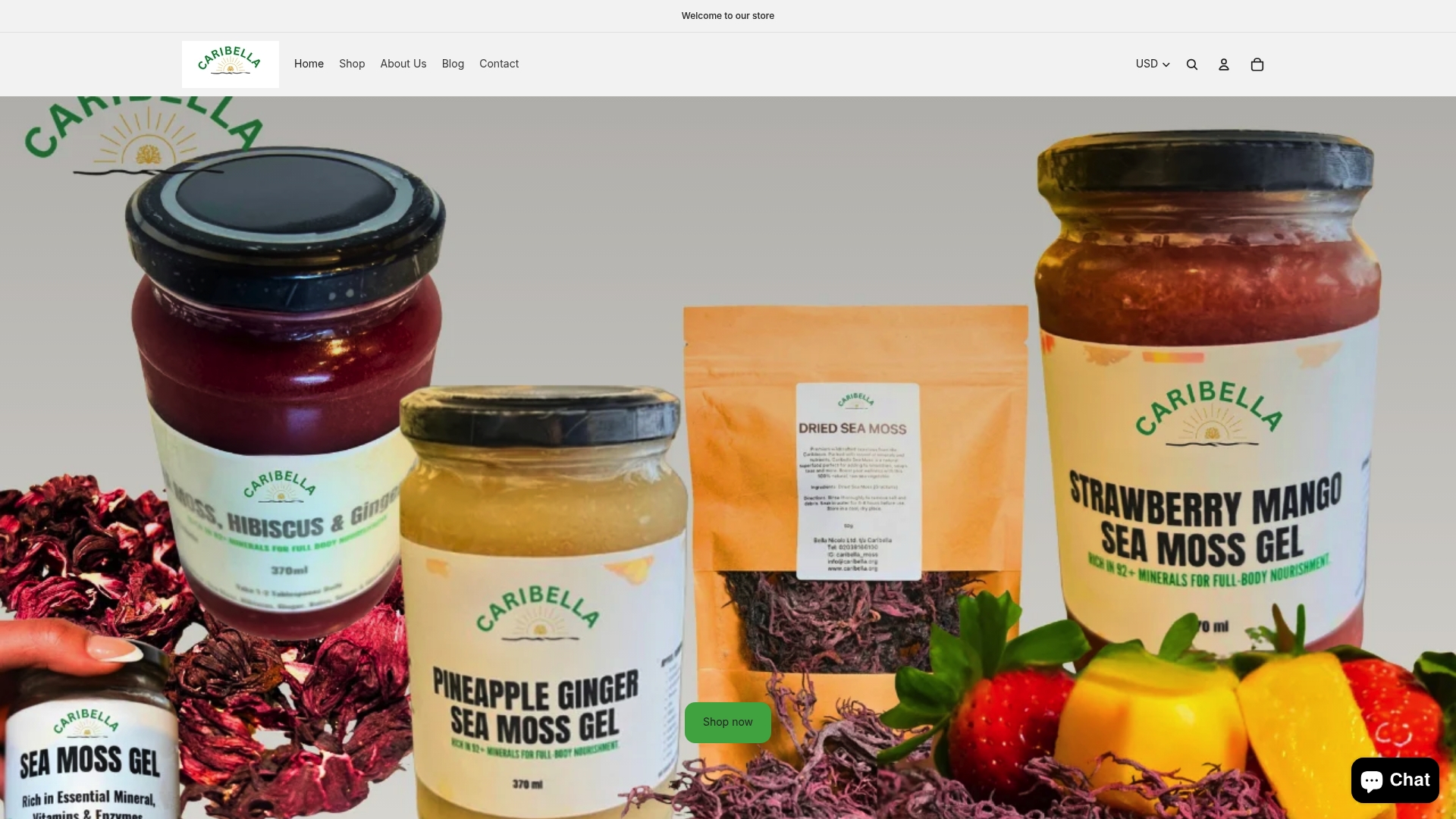
Caribella’s sea moss gel collection includes a range of flavours and formulations made with natural, plant-based ingredients inspired by Caribbean traditions. Every product is designed to make daily supplementation straightforward, whether you prefer unflavoured gel for cooking or a flavoured option that works straight from the jar. For those who want variety in taste, the flavoured sea moss gels range offers palatable choices that make sticking to a routine far easier. Start with a small daily amount, integrate it into meals you already enjoy, and build from there.
FAQ
What is superfood gel made from?
Superfood gel is made primarily from dried sea moss (Chondrus crispus), soaked in water and blended into a smooth, jelly-like consistency. Some products add fruit, spices, or botanical extracts for flavour.
Is superfood gel healthy?
Sea moss gel offers modest amounts of iron, magnesium, and prebiotic fibre, making it a useful supplement to a varied diet. It is not a cure-all, and its benefits are preliminary rather than conclusively proven by large clinical trials.
How much sea moss gel should you take daily?
The recommended intake is 1–2 tablespoons per day. Exceeding this increases the risk of excess iodine, which can disrupt thyroid function in some individuals.
Does sea moss gel really contain 92 minerals?
The “92 minerals” claim is a marketing figure. Sea moss does contain trace amounts of many elements, but the human body requires only around 20 essential minerals, and most are present in very small quantities per serving.
How do you store sea moss gel?
Keep sea moss gel in an airtight container in the refrigerator, where it will last up to three weeks. For longer storage, freeze it in small portions and thaw as needed.