

Most people hear “sea vegetable” and picture a strip of nori wrapped around sushi rice. That mental image undersells the entire category by miles. A sea vegetable is any edible marine algae harvested from the ocean, and there are hundreds of species used across cultures for food, medicine, and flavour. What is a sea vegetable beyond that basic definition? It is one of the most nutrient-dense foods available on the planet, and it is quietly making its way into smoothies, soups, seasoning blends, and wellness supplements in kitchens everywhere.
Table of Contents
- Key takeaways
- Types of sea vegetables
- Nutritional benefits of sea vegetables
- How to use sea vegetables in cooking
- Safety and quality considerations
- My perspective on sea vegetables
- Discover Caribella’s sea vegetable products
- FAQ
Key takeaways
| Point | Details |
|---|---|
| Sea vegetables are edible algae | They are marine plants distinct from land vegetables, grouped by colour into green, brown, and red varieties. |
| Exceptional mineral content | Sea vegetables contain 10 to 20 times the minerals found in most land-grown plants, including iodine, calcium, and iron. |
| Versatile in cooking | From soups and salads to smoothies and seasonings, sea vegetables work across many preparation methods and cuisines. |
| Quality sourcing matters | Bioaccumulation of metals is a real risk; always choose sea vegetables from tested, reputable suppliers. |
| Moderation is wise | High iodine levels mean daily mega-doses are unnecessary. Small, consistent portions deliver strong nutritional returns. |
Types of sea vegetables
Not all sea vegetables are created equal, and understanding the main categories helps you choose the right one for your health goals or your next meal. Sea vegetables are grouped into three primary colour classifications: green (Chlorophyta), brown (Phaeophyta), and red (Rhodophyta). Each group has distinct textures, flavours, and nutritional profiles.
One thing worth clarifying before diving in: sea kale is often confused with edible seaweed, but it is actually a terrestrial perennial with no connection to marine algae whatsoever. If you see “sea kale” on a menu or in a recipe, you are dealing with a land plant, not a sea vegetable.

Here is a comparison of the most common varieties you will encounter:
| Sea vegetable | Colour group | Flavour profile | Common culinary use |
|---|---|---|---|
| Nori | Red | Mild, slightly nutty | Sushi wraps, snack sheets |
| Kombu | Brown | Deep, savoury umami | Broths, stocks, dashi |
| Wakame | Brown | Delicate, slightly sweet | Miso soup, salads |
| Dulse | Red | Smoky, salty | Seasoning, snacks, salads |
| Sea grapes | Green | Mild, briny, crunchy | Salads, garnishes |
| Spirulina | Blue-green | Earthy, slightly bitter | Smoothies, powders |
| Sea lettuce | Green | Light, vegetal | Salads, soups |
Beyond the culinary favourites, what are edible seaweeds used for in broader wellness circles? Spirulina and chlorella are green algae frequently sold in powdered or tablet form. Dulse, with its smoky character, is often touted as a bacon alternative when pan-fried. Kombu is a staple in Japanese cooking precisely because it delivers that satisfying depth of umami without any meat.
The diversity here matters. Choosing different types of sea vegetables means accessing different mineral ratios, textures, and health compounds. Rotating through varieties is a straightforward way to get broader nutritional coverage.
Nutritional benefits of sea vegetables
The nutritional benefits of sea vegetables are genuinely impressive, and they hold up well under scientific scrutiny. Dietitians consistently class seaweed as a nutritional powerhouse rich in phytochemicals and essential minerals that go well beyond its reputation as a sushi wrapper.
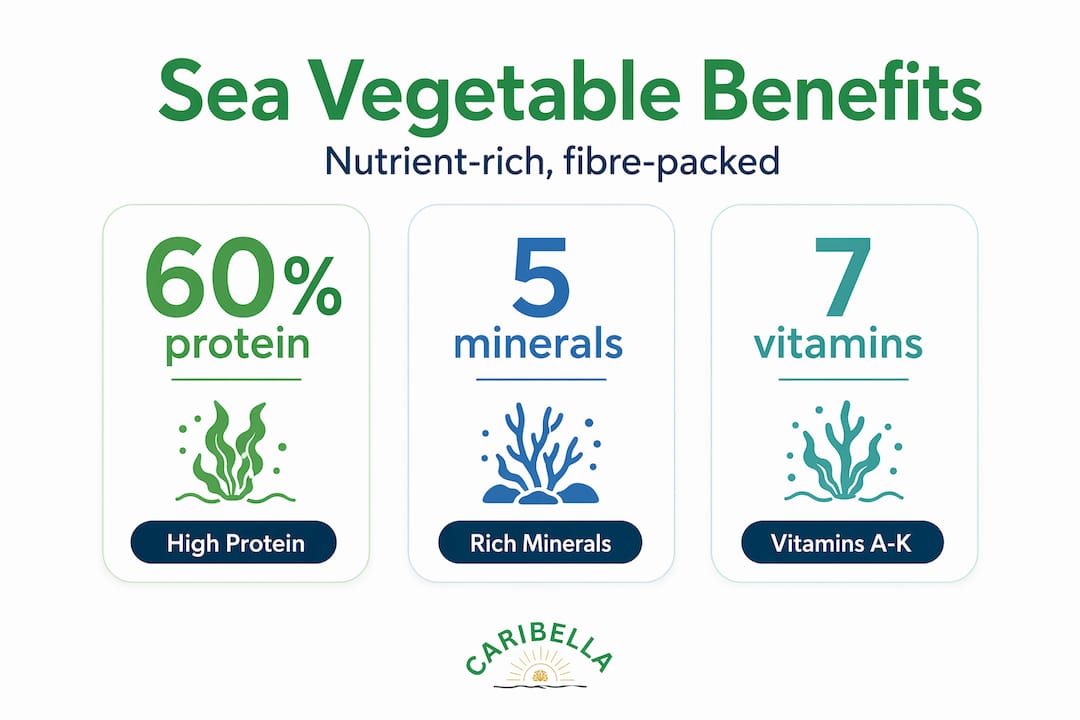
Start with protein. Dried sea vegetables contain between 10 and 60% protein per 100g, depending on the species. That range is wide, but even the lower end rivals many plant-based protein sources. The same 100g serving delivers just 100 to 200 kilocalories, making sea vegetables genuinely low-calorie by any measure.
The mineral profile is where sea vegetables really separate themselves from land plants. Key minerals including iodine, calcium, magnesium, and iron are found in concentrations 10 to 20 times higher than in most terrestrial vegetables. Iodine, in particular, is almost impossible to obtain in meaningful quantities from a typical plant-based diet without seaweed or supplements. Iodine supports thyroid function, which in turn regulates metabolism, energy, and hormone balance. For anyone eating mostly whole foods, sea vegetables fill a gap that is otherwise hard to close.
The vitamin content spans vitamins A, B-complex, C, D, E, and K, alongside antioxidants that support immunity and metabolic health. Vitamin B12 deserves a special mention: it is exceedingly rare in plant foods, but some species of sea vegetables contain meaningful amounts, which is valuable for those following a vegan diet.
Sea vegetables are also fibre-rich, containing both soluble and insoluble fibre that supports digestive health and can contribute to a feeling of fullness. Several types contain unique polysaccharides like fucoidan and carrageenan, which are being studied for their potential roles in supporting heart health and reducing inflammation. These are not miracle compounds, but the early research is genuinely interesting.
Pro Tip: If you are adding sea vegetables to your diet specifically for the mineral benefits for women, start with a small daily portion of dried wakame or a teaspoon of sea moss gel and build from there. Consistency matters more than quantity.
How to use sea vegetables in cooking
Knowing the benefits is one thing. Actually getting sea vegetables onto your plate regularly requires a few practical techniques, because they behave differently from any land vegetable you have cooked before.
Most dried sea vegetables need rehydration before use. Here is a simple process to follow:
- Soak in cold water for 5 to 20 minutes, depending on the variety. Wakame takes around 5 minutes; thicker kombu may need up to 20.
- Drain and rinse thoroughly to remove any excess salt or residual ocean flavour.
- Trim tough stems from varieties like kombu or kelp before adding them to dishes.
- Add towards the end of cooking for delicate types like wakame, which turn silky and tender quickly. Heartier varieties like kombu can simmer in broths for 30 minutes or more.
- Measure carefully before soaking. Dried seaweeds expand significantly when rehydrated, so a small handful can easily become a full bowl. New cooks consistently overestimate how much they need.
For smoothies, dried or powdered sea vegetables work well. Sea vegetables for smoothies are best in powdered form, such as spirulina or kelp powder. A quarter to half a teaspoon blended with banana, mango, and coconut water is barely detectable in terms of taste but adds a solid mineral boost. Going beyond that can introduce a flavour that is hard to mask.
Cooking with sea vegetables also means learning to use them as seasoning. Kombu is low in sodium compared to table salt but delivers that deep, savoury umami that makes food taste complete. Drop a strip into rice water while cooking, then remove before serving. Your rice will have more depth without any noticeable “seaweed” flavour.
Pro Tip: Some seaweed varieties require specific soaking strategies to break down tough cell walls and improve nutrient absorption. For maximum benefit, avoid boiling delicate varieties like wakame. Blanching or a brief soak in warm water is enough.
Dulse flakes make an excellent salt substitute when sprinkled over eggs, avocado toast, or roasted vegetables. Nori sheets can be cut into strips and used as wraps for grain bowls. The applications are wide, and once you get comfortable with one variety, adding others becomes much more natural.
Safety and quality considerations
The benefits of sea vegetable consumption are well established, but responsible consumption requires knowing where things can go wrong.
The most pressing concern is iodine. While iodine is a nutritional benefit at the right dose, some species particularly brown seaweeds contain very high concentrations. Excessive iodine intake can disrupt thyroid function, especially for people with pre-existing thyroid conditions. If you have any thyroid concerns, reading about iodine and thyroid health before significantly increasing your intake is worth your time.
The second concern is bioaccumulation. Sea vegetables absorb minerals from their surrounding water. In clean, well-monitored waters, this works in your favour. In polluted environments, it works against you. Toxic metals like cadmium, lead, and arsenic can accumulate in seaweeds at concentrations sometimes 200 to 500 times higher than in land plants. This is not a reason to avoid sea vegetables entirely. It is a reason to care deeply about where yours come from.
Here is what to look for when buying sea vegetables:
- Third-party testing certification, confirming the product has been tested for heavy metals and contaminants
- Harvest location disclosure, so you know the water source
- Organic certification where available, though this carries less standardised meaning for marine products than for land crops
- Reputable brand transparency, including batch testing results made available to consumers
“Moderation is crucial due to iodine levels; consumers should balance consumption and choose quality, safe sources.” Seaweed minerals: unlocking functional food potential
One practical advantage worth noting: seaweed cultivation requires no freshwater, no land, and no fertiliser, making responsibly farmed sea vegetables one of the more environmentally sound food choices available. Choosing farmed over wild-harvested often means better contamination controls as well.
My perspective on sea vegetables
I have watched sea vegetables move from niche health food shops to mainstream wellness conversations over the past several years, and I think the shift is long overdue. What I find interesting is how many people who are already eating well, tracking nutrients, avoiding ultra-processed foods, simply have never considered sea vegetables as a daily staple.
In my experience, the biggest barrier is not taste or cost. It is unfamiliarity. Most people know what to do with spinach. Nobody taught them what to do with dulse. Once you work out that you can sprinkle dulse flakes over scrambled eggs or stir a spoonful of sea moss gel into your morning smoothie without it tasting like the seaside, the reluctance fades quickly.
What I genuinely believe is that the sea moss mineral content and broader sea vegetable profiles offer something that most supplement stacks cannot: a whole-food source of minerals, vitamins, and phytochemicals working together the way nature intended. You get synergy rather than isolated nutrients, and that matters more than the label ever tells you.
My practical advice: start with one variety, use it consistently for a month, and pay attention to how you feel. Do not try to overhaul your entire diet at once. Sea vegetables reward patience and curiosity.
— Nicole
Discover Caribella’s sea vegetable products
If you are ready to put what you have learnt into practice, Caribella makes it straightforward. Rather than sourcing raw seaweed and figuring out preparation from scratch, Caribella’s sea moss gel range gives you a ready-to-use format that retains the nutritional integrity of the plant without any of the guesswork.
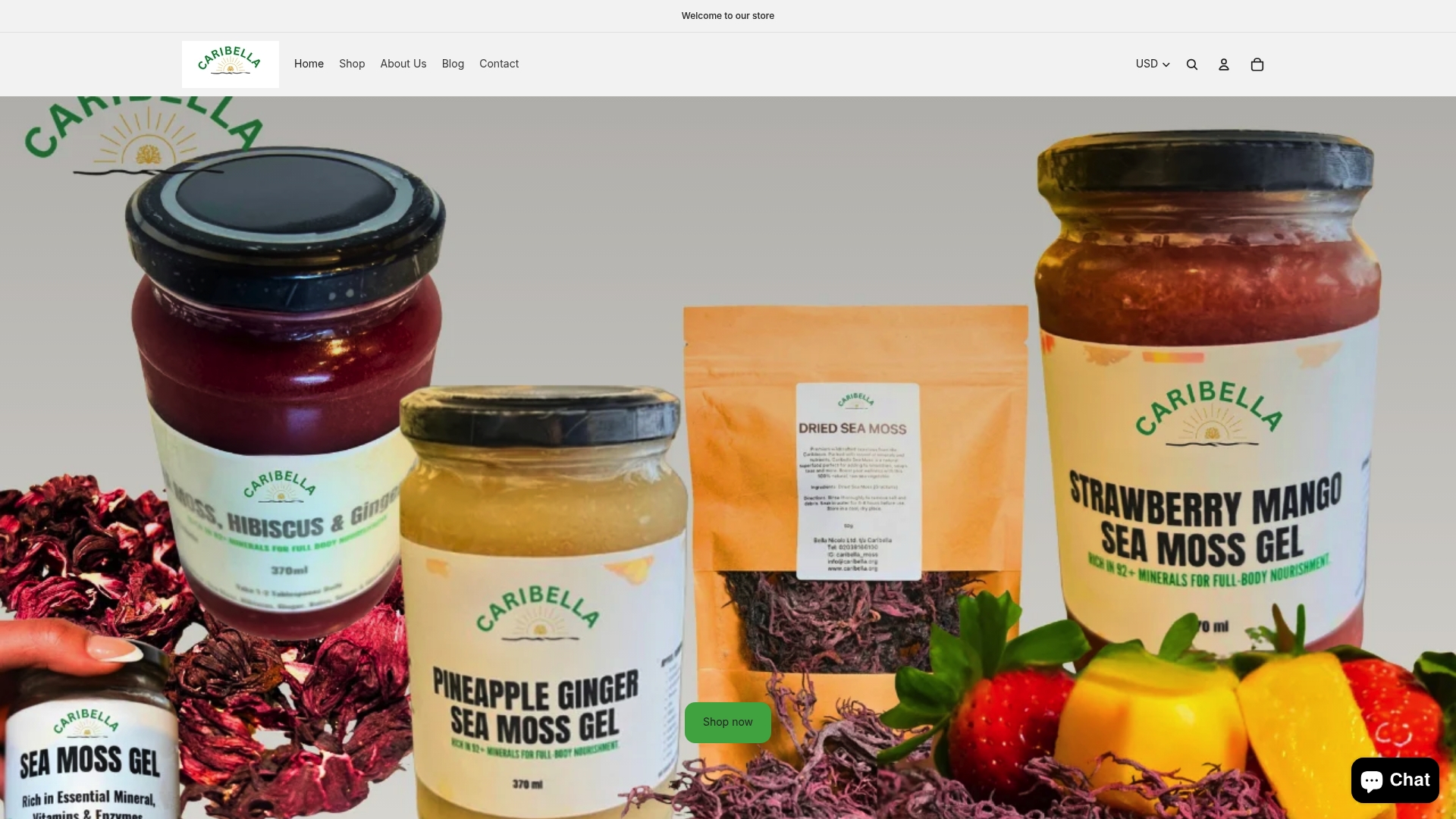
The gels are made from carefully selected sea moss and come in a range of formats to suit different preferences. If you want something with a bit more variety, the flavoured sea moss gels are a genuinely easy way to add sea vegetables to your daily routine without it feeling like a chore. Pair them with Caribella’s herbal teas for a broader wellness routine that draws on the best of Caribbean plant traditions. Every product is made with quality sourcing in mind, which matters given everything covered above about contamination risks.
FAQ
What is a sea vegetable, exactly?
A sea vegetable is any edible marine algae harvested from the ocean, including species like nori, kombu, wakame, dulse, and sea moss. They are distinct from land plants and are classified into green, brown, and red varieties based on their pigmentation.
Are sea vegetables the same as seaweed?
Yes, the terms are used interchangeably. “Sea vegetable” is simply the culinary and wellness term preferred when referring to edible marine algae as a food source, while “seaweed” is the broader, more common name.
How much sea vegetable should I eat per day?
A small daily portion, roughly one to two teaspoons of dried seaweed or one tablespoon of sea moss gel, is sufficient for most people. Exceeding this regularly, particularly with high-iodine brown seaweeds, may affect thyroid function.
Can I use sea vegetables in smoothies?
Yes. Powdered sea vegetables such as spirulina or kelp blend well into smoothies without dramatically altering the flavour. Start with a quarter teaspoon and adjust from there based on taste.
What are the key nutritional benefits of sea vegetables?
Sea vegetables provide protein, fibre, vitamins A through K, and minerals including iodine, calcium, iron, and magnesium at concentrations far exceeding those of most land vegetables, making them one of the most nutrient-dense whole foods available.