

Wellness in 2026 is defined as a personalised, adaptive system where individuals actively manage physical, mental, and environmental health rather than following fixed programmes. The top wellness trends 2026 reflect a decisive shift: according to NielsenIQ, wellness is no longer a category but the architecture of modern living. The US wellness economy has surpassed $2.1 trillion, with the fastest growth in mental wellness, personalised medicine, and real estate. For health-conscious adults aged 30–50, these trends are not abstract forecasts. They are practical tools you can apply right now.
1. What are the top wellness trends 2026?
The defining characteristic of health trends for 2026 is personalisation at scale. Consumers are no longer passive recipients of generic wellness advice. NielsenIQ describes this shift as consumers acting as CEOs of their own health, measuring wellness by effectiveness rather than effort. That means your nutrition plan, recovery protocol, and movement routine are expected to adapt in real time based on data you generate.
Wearable technology is the engine driving this change. Devices like the Oura Ring, WHOOP, and Apple Watch now influence decisions about sleep, hydration, and nutrition with a precision that was clinical-grade only five years ago. When your wearable flags poor heart rate variability, you adjust your training load. When sleep scores drop, you reconsider your evening routine. The feedback loop is continuous.
- Wearables now direct nutrition and hydration adjustments in real time
- Personalised supplement stacks are replacing one-size-fits-all multivitamins
- AI-driven health apps analyse patterns across sleep, movement, and stress
- Daily wellness routines are built for adaptability, not rigid schedules
Pro Tip: Build your wellness routine around two or three adjustable inputs, such as sleep quality and morning nutrition, before adding more variables. Complexity without a baseline creates noise, not insight.
2. Mental wellness: brain health, gut connection, and environment

Mental wellness in 2026 extends well beyond therapy and mindfulness apps. The Global Wellness Institute identifies neuro-regulated environments, the gut-brain axis, and social cognition as the three pillars shaping this year’s approach to brain health. That is a significant expansion from the traditional psychology-centred model most people grew up with.
The gut-brain connection is particularly compelling. Research now links microbiome diversity directly to mood regulation, cognitive clarity, and stress resilience. Fermented foods, prebiotic fibre, and sea moss are gaining clinical attention for their role in supporting this axis. Effective mental wellness solutions address environmental and relational factors beyond individual psychology, which means your home, workspace, and social circle are as relevant as your therapy sessions.
- Neuro-regulated environments use lighting, sound, and temperature to calm the nervous system
- Social cognition programmes build emotional resilience through structured community engagement
- Gut-focused nutrition supports mood and cognitive function alongside digestive health
- Digital detox protocols are being prescribed alongside traditional mental health interventions
For a grounded introduction to holistic wellness principles that connect these pillars, Caribella’s guide for your 30s and beyond offers a practical starting point.
3. Wellness tourism: near-home recovery and urban retreats
Wellness tourism is undergoing a structural shift. The Global Wellness Institute reports that travellers now prefer short-flight regional retreats and 48–72 hour urban recovery micro-breaks over long-haul detox narratives. The logic is straightforward: a two-day structured recovery protocol close to home outperforms a two-week retreat that requires a week of jet lag recovery on either side.
Urban wellness destinations are responding by integrating clinical-grade services, including IV therapy, cold water immersion, sleep optimisation suites, and functional nutrition consultations, into city-centre facilities. You no longer need to fly to Bali to access a credible recovery experience.
| Travel type | Key features | Best suited for |
|---|---|---|
| Long-haul wellness retreat | Immersive, 7–14 days, destination-focused | Deep reset, annual commitment |
| Regional short-flight retreat | 3–5 days, nature-based, structured | Seasonal recovery, moderate budget |
| Urban micro-break | 48–72 hours, clinical services, city-based | Frequent recovery, time-poor professionals |
| At-home wellness protocol | Daily, wearable-supported, self-directed | Ongoing maintenance, cost-effective |
- Cocooning wellness focuses on restorative home environments as primary recovery spaces
- Urban spas and wellness clinics now offer structured recovery programmes rivalling destination retreats
- Regional travel reduces carbon footprint while maintaining clinical credibility
4. Nutrition trends: functional foods, fibre, and GLP-1
Nutrition is the most rapidly evolving area within emerging wellness practices for 2026. GLP-1 medications for appetite and weight management have moved from niche clinical use to mainstream consumer awareness. A Reach3 Insights study found 92% awareness among Americans, with 13% currently using GLP-1 medications and 38% of non-users expressing interest. That level of consumer engagement signals a permanent shift in how people approach weight and metabolic health.
Functional foods are the parallel trend. Ingredients like sea moss, adaptogens, and specific prebiotic fibres are appearing across food, beverage, and personal care categories. Spate’s global trend data shows that social media behavioural signals on platforms like TikTok and Instagram are driving real-time demand for integrated nutrition products. What trends online today shapes supermarket shelves within six months.
- Fibre specificity is replacing generic fibre advice: different fibres feed different gut bacteria
- Adaptogens like ashwagandha and rhodiola are entering mainstream food and drink formats
- Sea moss is gaining recognition for its mineral density and prebiotic properties
- Functional beverages are replacing traditional supplements for consumers who dislike capsules
Pro Tip: When adding a functional ingredient to your routine, track one measurable outcome, such as energy levels or digestion, for four weeks before adding another. This mirrors the CEO-of-your-health approach and gives you real data.
5. Home fitness and health-conscious eating as the new baseline
Home fitness is no longer a pandemic-era workaround. Over 50% of adults now primarily work out at home, and two-thirds prioritise health in their food choices. Those figures from Morning Consult represent a structural change in how people allocate time and money to physical health. The gym is optional; the home environment is the primary wellness infrastructure.
This shift has practical implications for how you design your living space and daily schedule. A dedicated movement area, a well-stocked kitchen, and a consistent sleep environment are now the three most impactful wellness investments you can make. Equipment brands like Peloton, Technogym, and Lululemon’s Mirror have responded with home-optimised products that deliver structured programming without requiring a commute.
The food side of this trend is equally significant. Health-conscious eating in 2026 means reading ingredient labels, choosing minimally processed foods, and understanding the functional role of what you consume. It is not a diet. It is a daily operating standard.
6. The over-optimisation backlash: when less data means more health
The Global Wellness Summit identifies the over-optimisation backlash as one of the defining counter-trends of 2026. After years of tracking every metric, a growing number of health-conscious adults are reporting data fatigue, anxiety driven by wearable alerts, and a disconnection from embodied experience. Constant self-monitoring can shift your relationship with your body from intuitive to transactional.
The response is a movement toward invisible care technologies and embodied wellness practices. Invisible care means your environment regulates your nervous system without demanding your attention. Think circadian lighting that adjusts automatically, air quality systems that operate silently, and sound environments calibrated for focus or rest. You benefit without having to manage another dashboard.
- Embodied practices like yoga, breathwork, and cold exposure reconnect you with physical sensation
- Journalling and reflective practices are replacing metric reviews for emotional processing
- Invisible care technologies regulate sleep, air, and light without requiring active engagement
- Scheduled device-free periods are being built into corporate wellness programmes
The shift from measurement to meaning is not anti-technology. It is a recalibration. The most effective wellness routines in 2026 use data as a prompt, not a prescription.
7. Understanding wellness terminology for 2026
The vocabulary of wellness has expanded significantly. Terms like holistic wellness, neuro-regulation, the gut-brain axis, and adaptive nutrition are now common in mainstream health conversations. Understanding what these terms actually mean helps you evaluate products, programmes, and advice with greater confidence.
Holistic wellness refers to an integrated approach that addresses physical, mental, emotional, and social health simultaneously rather than treating each in isolation. Neuro-regulation describes the process of managing your nervous system’s stress response through environmental, behavioural, or nutritional inputs. The gut-brain axis is the bidirectional communication network between your digestive system and your brain, mediated largely by the vagus nerve and the microbiome.
Knowing this terminology also protects you from wellness marketing that uses scientific-sounding language to sell products with limited evidence. When a brand claims to support your gut-brain axis, you can now ask exactly how and what the evidence shows.
Key takeaways
The top wellness trends for 2026 are unified by one principle: personalised, adaptive systems outperform generic programmes every time.
| Point | Details |
|---|---|
| Personalisation drives results | Build routines around measurable inputs like sleep and nutrition, then adjust based on your own data. |
| Mental wellness is environmental | Neuro-regulated spaces, gut health, and social connection matter as much as individual psychology. |
| Near-home recovery works | Structured 48–72 hour urban micro-breaks outperform long-haul retreats for frequent recovery needs. |
| Functional nutrition is mainstream | Sea moss, adaptogens, and fibre-specific foods are now evidence-backed daily nutrition tools. |
| Balance data with embodied care | Use wearable data as a prompt, not a prescription, to avoid over-optimisation fatigue. |
My view on making 2026 wellness trends actually work
The most common mistake I see among health-conscious adults in their 30s and 40s is treating wellness trends as a checklist. You read about the gut-brain axis, buy a probiotic, add a wearable, book a retreat, and then wonder why nothing has changed six months later. The issue is not the tools. It is the absence of a continuous, adaptive system connecting them.
What actually works is choosing two or three practices that address your specific weak points, whether that is sleep quality, stress regulation, or nutritional gaps, and committing to them long enough to generate meaningful data. The NielsenIQ insight about consumers acting as CEOs of their health is not just a metaphor. It means you need a strategy, not just tactics.
The mental wellness trends are the ones I find most underestimated. Most people focus on supplements and fitness while ignoring the environment they spend 16 hours a day in. Lighting, noise, air quality, and the quality of your social interactions have a measurable impact on cognitive function and emotional resilience. These are not soft factors. They are inputs you can adjust.
My honest recommendation: start with natural ingredients that support your gut and energy baseline, then layer in environmental adjustments and movement. Avoid adding more tracking until you have a stable foundation. Complexity before consistency is the fastest route to abandoning a wellness routine entirely.
— Nicole
Support your 2026 wellness routine with Caribella
The wellness trends shaping 2026 point clearly toward functional nutrition, gut health support, and daily recovery rituals. Caribella’s plant-based products are built for exactly this kind of consistent, adaptive approach.
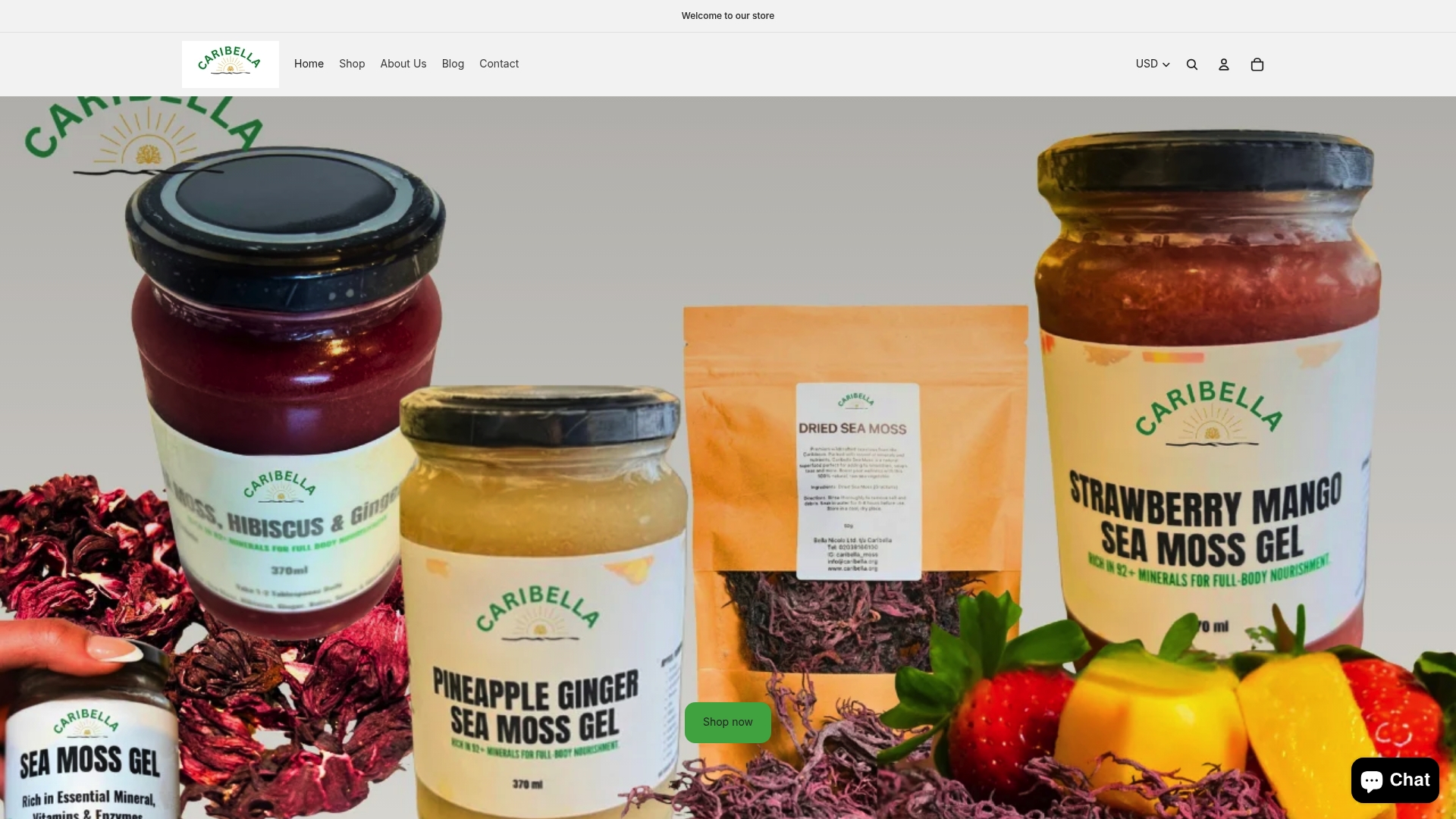
Caribella’s sea moss gels deliver a concentrated source of minerals and prebiotic fibre that supports immunity, digestion, and energy in one daily serving. If you prefer variety, the flavoured sea moss gels make it easy to stay consistent without the routine feeling like a chore. For nervous system recovery and evening wind-down rituals, Caribella’s herbal teas complement the mental wellness and over-optimisation backlash trends perfectly. Inspired by Caribbean traditions and made with carefully selected natural ingredients, every product is designed to fit into the kind of continuous, measurable wellness routine that 2026 demands.
FAQ
What is wellness in 2026?
Wellness in 2026 is defined as a personalised, adaptive system integrating physical, mental, environmental, and nutritional health. According to NielsenIQ, it is no longer a product category but the architecture of how people live and make daily decisions.
Which wellness trends matter most for adults aged 30–50?
The most relevant health trends for 2026 in this age group are personalised nutrition, mental wellness through environment and gut health, near-home recovery travel, and the shift away from over-optimisation toward embodied care practices.
Are GLP-1 medications part of mainstream wellness?
GLP-1 medications have reached 92% awareness among Americans, with 38% of non-users expressing interest, according to a Reach3 Insights study. They are now a significant part of the nutrition and metabolic health conversation, though cost and access remain barriers.
How do I start building a wellness routine for 2026?
Start with two or three adjustable inputs, such as sleep quality, morning nutrition, and movement, and track one measurable outcome for four weeks before adding complexity. This mirrors the effectiveness-driven approach that NielsenIQ identifies as the defining consumer behaviour of 2026.
What is the over-optimisation backlash in wellness?
The over-optimisation backlash, identified by the Global Wellness Summit, is a growing movement away from constant self-monitoring toward emotional restoration and invisible care technologies that regulate the nervous system without demanding active attention.