

Tea is one of the most effective fluid sources available, with most varieties contributing 90–100% of their volume toward your daily hydration needs. The role of teas in hydration is far greater than most people realise, and the persistent myth that caffeine makes tea dehydrating has been firmly contradicted by clinical research. The NHS and the Institute of Medicine both count tea toward daily fluid intake, placing it alongside water as a legitimate hydration source. Whether you favour black, green, or herbal varieties, the science confirms that moderate tea consumption supports fluid balance rather than undermining it.
How do different teas compare in hydration effectiveness?
Tea is approximately 95–98% water by volume, which is the single most important fact to understand about its hydrating properties. That composition alone makes it a credible fluid source regardless of type. The distinction between caffeinated and herbal teas matters, but less dramatically than most people assume.
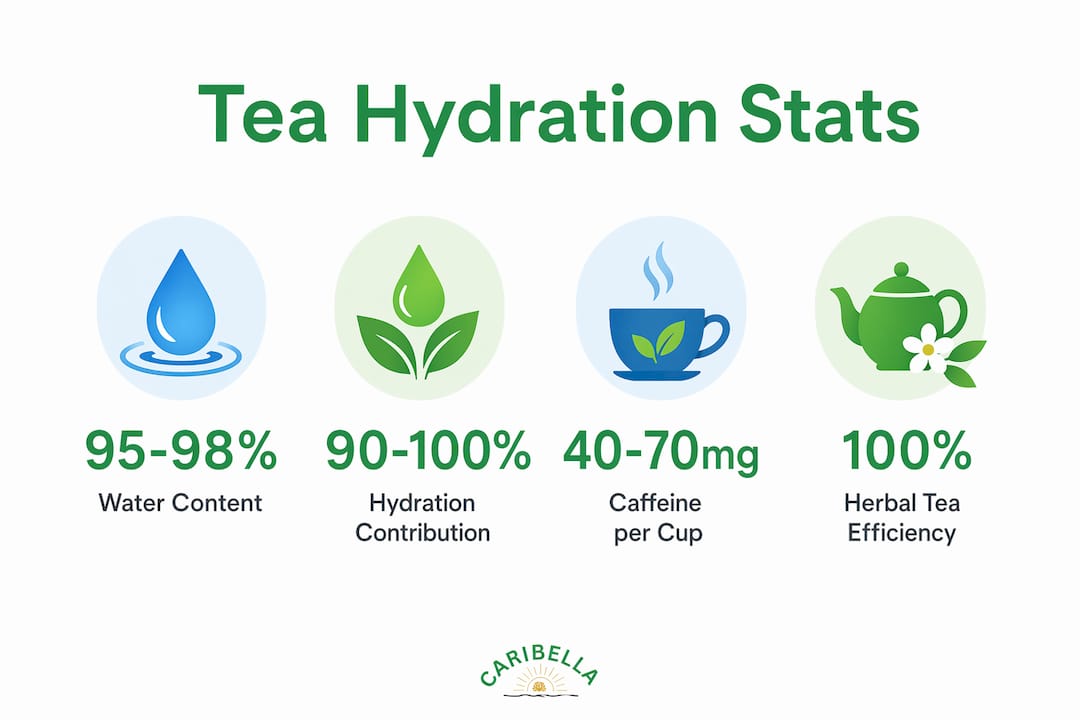
Caffeinated teas, including black, green, white, and oolong, deliver approximately 90–100% of their fluid volume toward hydration when caffeine intake stays below 400–600mg per day. Herbal teas, which include chamomile, hibiscus, nettle, and oatstraw, contain virtually zero caffeine and provide 100% hydration efficiency, equivalent to plain water. Scientific comparisons show minimal difference in urine output between tea drinkers and water drinkers at typical consumption levels.
The table below sets out the key differences across common tea types:
| Tea type | Caffeine per cup | Hydration contribution | Notes |
|---|---|---|---|
| Black tea | 40–70mg | ~90–100% | Mild diuretic effect at high doses only |
| Green tea | 20–45mg | ~95–100% | Lower caffeine, high antioxidant content |
| White tea | 15–30mg | ~95–100% | Lightest caffeine load of caffeinated teas |
| Oolong tea | 30–50mg | ~90–100% | Partially oxidised, moderate caffeine |
| Chamomile | 0mg | 100% | Calming, no diuretic effect |
| Hibiscus | 0mg | 100% | Rich in minerals, tart flavour |
| Nettle | 0mg | 100% | High in calcium and magnesium |
| Oatstraw | 0mg | 100% | Supports nervous system and mineral balance |
The practical takeaway is straightforward. All common tea types hydrate you. The choice between caffeinated and herbal varieties comes down to personal preference, caffeine sensitivity, and the additional wellness benefits you want from your cup.
Does caffeine in tea actually affect your hydration?
Caffeine carries a reputation as a diuretic, but the evidence shows its effect on hydration is negligible at the amounts found in a typical cup of tea. The mild diuretic effect of caffeine at 40–70mg per cup causes only a 3–5% increase in urine output compared to water. That is a clinically insignificant difference for anyone drinking tea as part of a normal daily routine.
Dr Carrie Ruxton of the Tea Advisory Panel states that caffeine’s diuretic effect is outweighed by the fluid volume in tea, making it a reliable hydration source. The threshold at which caffeine becomes a genuine hydration concern is far higher than most people reach. The diuretic effect only becomes clinically meaningful when caffeine intake exceeds roughly 500mg in a short period, which is equivalent to drinking 6–7 cups of black tea in one sitting.
Key points on caffeine and hydration:
- Typical tea caffeine (40–70mg per cup) causes only a 3–5% rise in urine output, well within normal fluid balance.
- Regular tea drinkers develop tolerance to caffeine’s diuretic effect, meaning habitual consumption has even less impact on hydration over time.
- The 400–600mg daily threshold is the point below which caffeinated tea counts as full fluid volume toward hydration goals.
- Habitual consumption reduces risk further. Experts note that physiological tolerance to caffeine develops with regular intake, lessening any negative hydration impact.
Pro Tip: If you drink three to four cups of black or green tea daily, you are almost certainly well below the caffeine threshold where hydration becomes a concern. Track your total caffeine across all sources, not just tea, to stay confident.
How herbal teas support hydration and wellness for adults over 30
Herbal teas do more than hydrate. Nutrition experts recommend viewing them as functional hydrating drinks that provide mineral replenishment and stress support alongside fluid intake. For adults over 30, this dual function makes herbal teas a particularly practical choice.
Nettle and oatstraw are especially notable. Both are rich in calcium, magnesium, and chlorophyll, nutrients that support bone density, muscle function, and nervous system health. Hibiscus provides a tart, refreshing flavour alongside antioxidants and minerals. These are not incidental benefits. They represent a meaningful nutritional contribution that plain water simply cannot match.
Practical ways to get more from herbal teas:
- Cold-brew hibiscus or nettle tea overnight in the fridge. Cold-brewing extracts less acidic tannins, producing a naturally sweeter, more refreshing drink that encourages you to drink more throughout the day.
- Use chilled herbal tea as a smoothie base instead of water. Replacing plain water with mineral-rich herbal tea in smoothies adds calcium, magnesium, and chlorophyll without altering flavour significantly.
- Choose blends that target specific needs. Women over 40 often benefit from teas formulated to support hormonal balance and recovery. Caribella’s herbal tea benefits guide covers this in detail.
- Rotate your herbal varieties to avoid flavour fatigue and to access a broader range of minerals across the week.
Pro Tip: Brew a large batch of nettle or oatstraw tea, chill it, and keep it in the fridge as your default cold drink. You get consistent mineral intake and steady hydration without any extra effort.
The herbal teas for wellness after 40 resource from Caribella goes deeper on how specific mineral-rich blends support midlife health, which is worth reading alongside this article.
How to maximise your hydration through daily tea consumption
Getting the most from tea as a fluid source requires a small amount of structure. The research is clear that moderate tea consumption up to 6 cups daily hydrates as effectively as plain water, with no significant difference in hydration markers. That gives you a generous daily allowance to work with.
Follow these steps to build a practical tea hydration routine:
- Start with two to three cups of caffeinated tea in the morning. Black or green tea provides a caffeine lift while contributing meaningfully to your morning fluid intake.
- Switch to herbal teas from midday onwards. This keeps your caffeine intake well below the 400mg threshold and avoids any risk of sleep disruption in the evening.
- Monitor your hydration by urine colour. Pale straw yellow indicates good hydration. Dark yellow or amber signals you need more fluid, regardless of how much tea you have consumed.
- Do not replace all water with tea. Combine tea with plain water depending on your activity level, climate, and personal preference. Tea complements water; it does not need to replace it entirely.
- Avoid large caffeine spikes. Drinking four or five cups of strong black tea in quick succession is the scenario most likely to cause any noticeable diuretic effect. Spread your intake across the day.
- Count herbal teas as full fluid volume. Because they contain no caffeine, herbal teas such as chamomile, hibiscus, and nettle count entirely toward your daily fluid goals without qualification.
Pro Tip: Set a simple rule: two caffeinated teas before noon, two herbal teas in the afternoon, and one calming herbal blend in the evening. That pattern alone covers a substantial portion of your daily fluid needs while giving you functional benefits at each stage of the day.
Adults who want to integrate tea more deliberately into their health habits will find Caribella’s guide on teas in your daily routine a useful companion resource.
Key takeaways
Tea hydrates as effectively as water at moderate consumption levels, making it a reliable and functional daily fluid source for adults of any age.
| Point | Details |
|---|---|
| Tea is mostly water | At 95–98% water by volume, all tea types contribute significantly to daily fluid intake. |
| Caffeine’s effect is minimal | A 3–5% rise in urine output from 40–70mg of caffeine per cup does not meaningfully reduce tea’s hydrating value. |
| Herbal teas hydrate fully | Caffeine-free options like hibiscus, nettle, and chamomile provide 100% hydration efficiency with added mineral benefits. |
| Six cups daily is the safe ceiling | Up to six cups of tea per day matches water’s hydrating effects without compromising fluid balance. |
| Cold-brewing boosts intake | Cold-brewed herbal teas are more palatable, encouraging higher daily fluid consumption naturally. |
Why I think most people are still getting this wrong
Most adults I speak with still treat tea as a guilty pleasure that needs to be offset with extra water. That view is outdated and, frankly, counterproductive. The evidence has been consistent for years: tea hydrates you. Treating every cup as a hydration deficit to correct means you are likely underestimating your actual fluid intake and overcomplicating something that should be simple.
What I find more interesting is the missed opportunity with herbal teas. People reach for chamomile at bedtime and think nothing more of it. But nettle, oatstraw, and hibiscus are genuinely mineral-dense drinks that support bone health, nervous system function, and recovery. For anyone over 30, those benefits matter more than they did at 25. Your body’s ability to absorb and retain minerals shifts with age, and herbal teas offer a low-effort way to address that.
My honest advice is to stop thinking about tea as a hydration compromise and start thinking about it as a hydration upgrade. A cold-brewed hibiscus tea in the afternoon is more enjoyable than a glass of plain water, more mineral-rich, and equally hydrating. The habit is easier to sustain precisely because it is more pleasurable. Enjoyment is not a trivial factor in hydration. If you actually want to drink something, you will drink more of it.
The one caveat I would add is to be honest about your caffeine intake across the whole day. Tea, coffee, and energy drinks all contribute. If you are already at 300mg from coffee by midday, switching to herbal teas for the rest of the day is the sensible move, not because black tea will dehydrate you, but because the cumulative load is worth managing.
— Nicole
Discover Caribella’s herbal teas for daily hydration
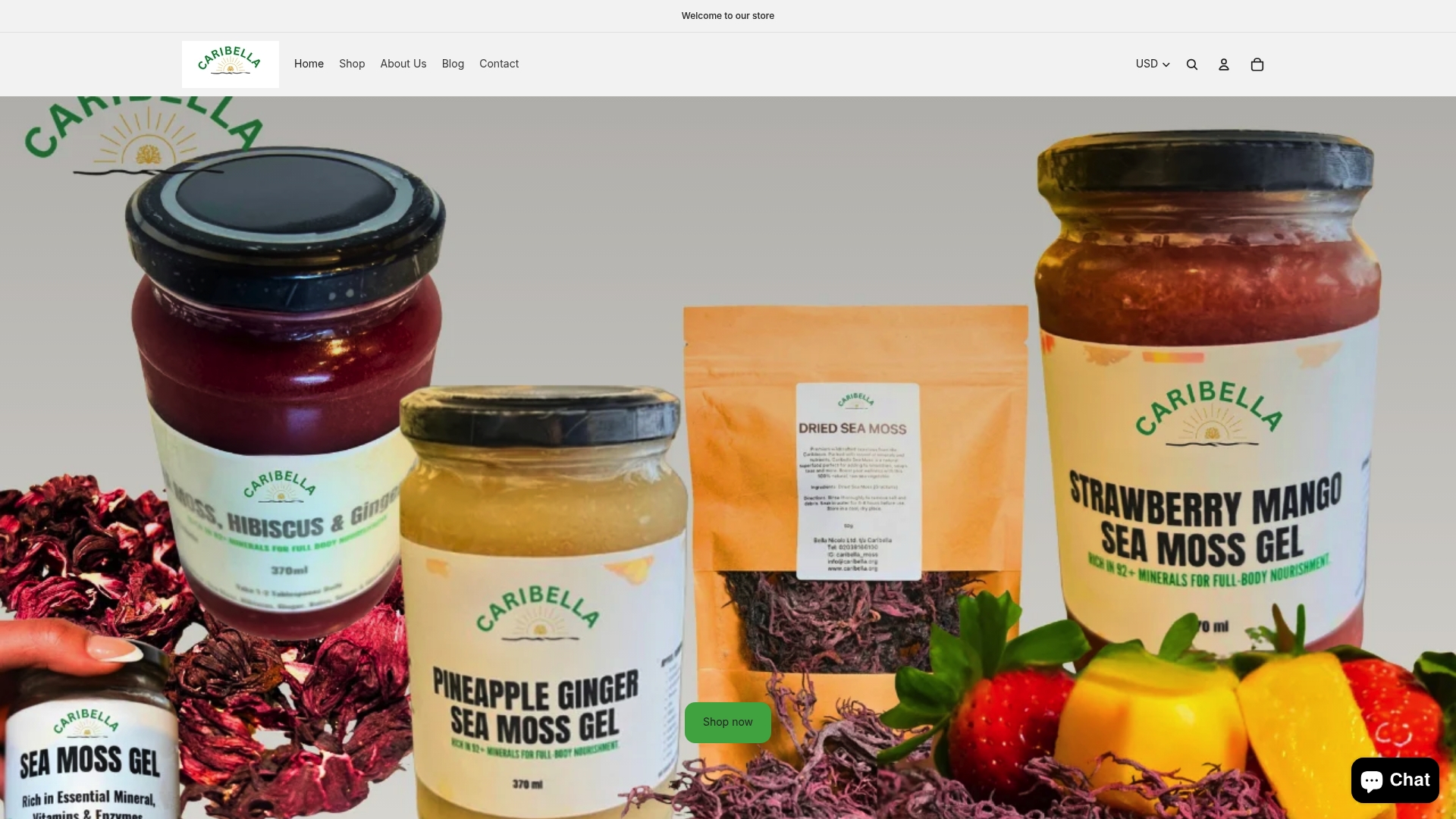
Caribella’s herbal tea collection is built around the same principle this article covers: that the right tea does more than hydrate. Each blend is selected for its mineral content, functional benefits, and flavour, drawing on Caribbean botanical traditions that have supported wellness for generations. The range includes caffeine-free options like hibiscus and nettle blends, all available as loose-leaf for easy daily brewing. If you want to build a hydration routine that actually works for your body and your lifestyle, starting with a quality herbal tea is one of the most practical steps you can take. Browse the full collection at Caribella and find the blend that fits your day.
FAQ
Does tea count as water for daily fluid intake?
Yes. The NHS and the Institute of Medicine both recognise tea as a contributor to daily fluid requirements. At moderate consumption, tea hydrates as effectively as plain water.
Are herbal teas more hydrating than black tea?
Herbal teas provide 100% hydration efficiency because they contain no caffeine, while black tea delivers approximately 90–100% of its fluid volume toward hydration. The practical difference is minimal for most people.
How many cups of tea per day is safe for hydration?
Up to six cups daily is the level at which tea matches water’s hydrating effects without any meaningful compromise to fluid balance, according to clinical research.
Can I replace water entirely with herbal tea?
Herbal teas are an excellent fluid source, but combining them with plain water is the most practical approach for most adults. Tea complements water rather than needing to replace it entirely.
Does cold-brewed tea hydrate you differently to hot tea?
Cold-brewed tea has the same hydrating properties as hot-brewed tea. The main advantage of cold brewing is improved palatability, which encourages higher daily fluid intake overall.