

Sustainable wellness is defined as the practice of enhancing your personal health while actively supporting the planet’s health through mindful, eco-friendly lifestyle choices. In the wellness world, the recognised industry term for this is eco-wellness, a concept formalised by researchers at the University of Wisconsin–Madison through their Mindful Eco-Wellness programme. To explain sustainable wellness clearly: it ties your individual vitality directly to the health of ecological and social systems. For women navigating perimenopause and menopause, this framework is particularly relevant because the same habits that reduce your toxic load and cortisol levels also reduce your environmental footprint.
What does sustainable wellness actually mean?
The sustainable wellness framework integrates personal health with ecological and social system health to provide lasting well-being. It is an interdisciplinary approach that emphasises mindful consumption, local engagement, nature connection, and waste reduction. Think of it as the opposite of the “buy more, feel better” model that dominates much of the wellness industry.
Health expert Redvers describes eco-wellness as grounded in indigenous land-based healing traditions, where nature contact decreases physiological stress markers. This is not a new idea dressed in modern language. It is a return to a way of living that recognises your body and the environment as part of the same system. For women over 40 in the UK, where access to green spaces is relatively strong, this connection is both practical and scientifically supported.
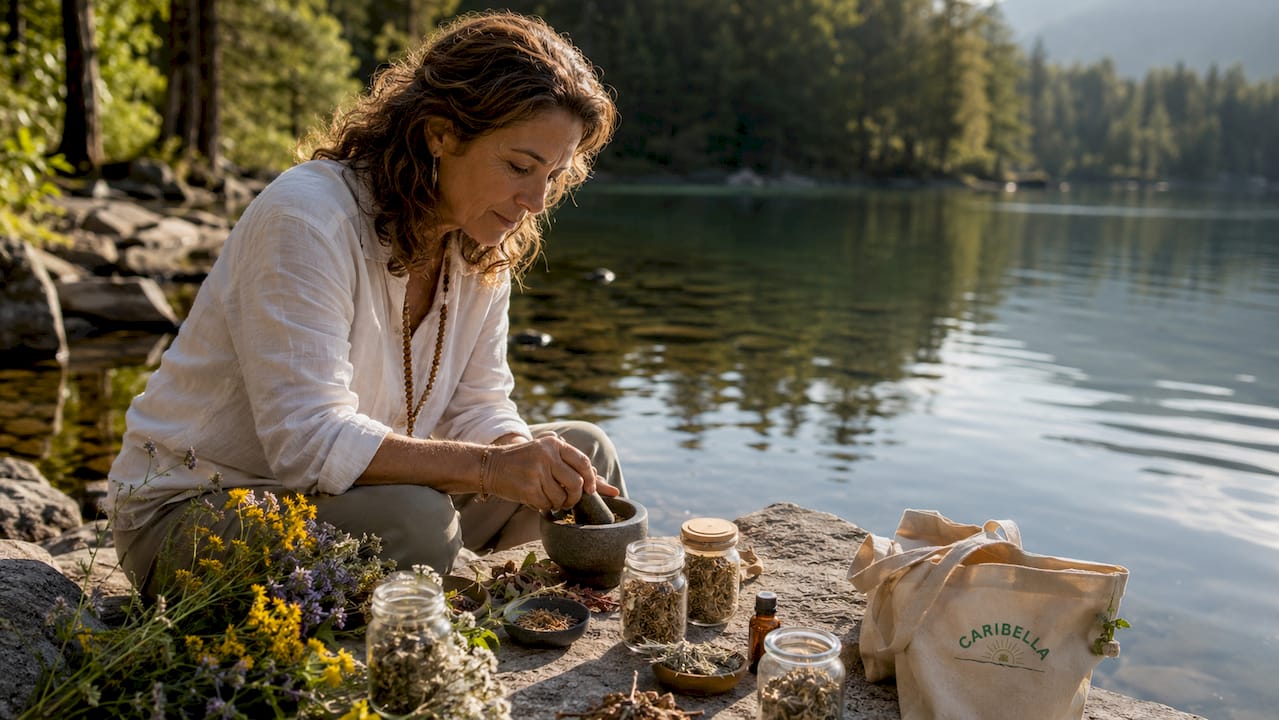
Sustainable wellness is also evolving into a complex interdisciplinary field that emphasises the interconnections between human vitality and ecological integrity. That means the conversation has moved well beyond reusable water bottles and organic face cream. It now includes how you move, eat, rest, and relate to your community.
What are the primary benefits for women over 40?
The benefits of sustainable wellness are measurable, not just philosophical. Spending at least two hours per week in green spaces correlates with lowered cortisol, reduced stress, and better immune function. For women in perimenopause, where cortisol dysregulation can worsen hot flushes, sleep disruption, and anxiety, this is a genuinely useful finding.
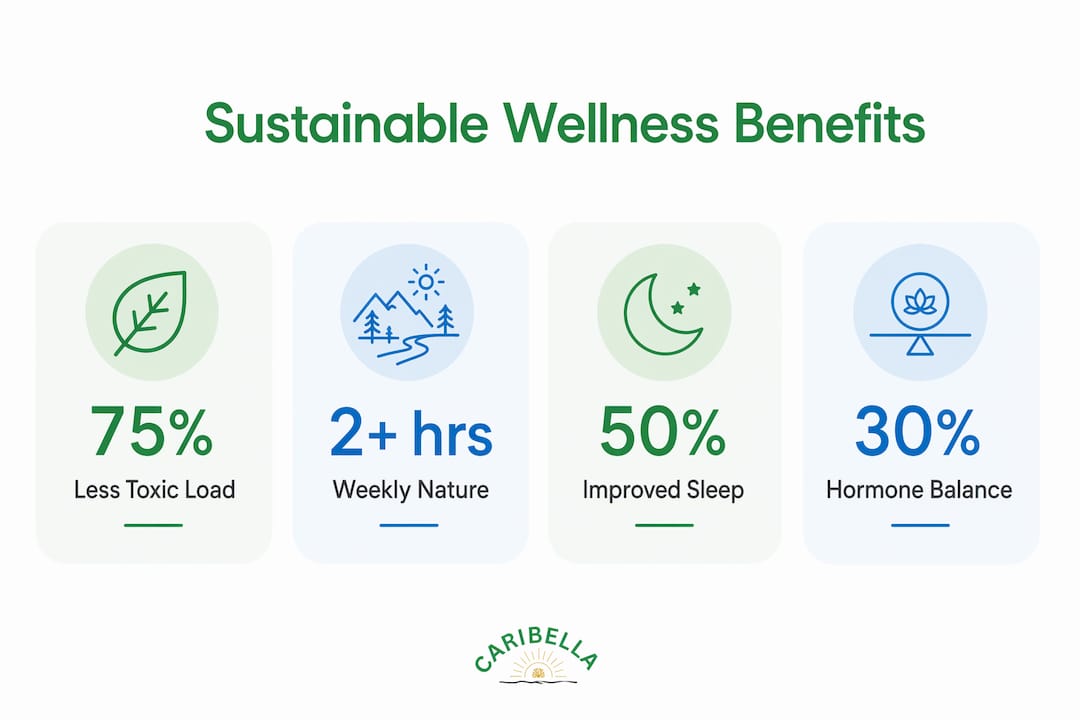
A two-month Mindful Eco-Wellness programme at the University of Wisconsin–Madison produced significant improvements in anxiety, depression, and fatigue while simultaneously reducing participants’ carbon footprint. The programme combined sustainability education with mindfulness practices, demonstrating that these two goals reinforce each other rather than compete. You do not have to choose between feeling well and living responsibly.
The hormonal dimension deserves particular attention:
- Reduced toxic load: Women over 40 can reduce chemical exposure from personal care products by switching to natural alternatives, which directly supports hormone health during perimenopause and menopause.
- Improved immune resilience: Regular nature exposure and plant-rich eating reduce systemic inflammation, which tends to increase during the menopause transition.
- Better mental well-being: Eco-conscious habits, particularly those involving community and purpose, address the social isolation that many women over 40 report during this life stage.
“Women over 40 should frame sustainability as reducing toxic loads from chemicals, which is especially important during menopause-related hormonal changes.” — Eco-Holistic Living
Pro Tip: Start with your bathroom cabinet. Swapping two or three conventional personal care products for natural, biodegradable alternatives is one of the fastest ways to reduce your daily chemical exposure without overhauling your entire routine.
How does sustainable wellness fit into daily life during perimenopause?
Practical integration is where most wellness approaches fail. They demand too much effort, too fast. Sustainable wellness practices work differently because replacing high-effort wellness tasks with sustainably oriented alternatives prevents effort overload and supports long-term adherence. The goal is not to add more to your plate. It is to swap what is already there for something better.
Here is a practical sequence for building sustainable wellness into your daily routine:
- Anchor movement to existing habits. Habit stacking short, low-intensity movements helps maintain metabolic balance during perimenopause without triggering cortisol spikes. A 20-minute walk after lunch, attached to a habit you already have, is more effective than a gym session you dread.
- Shift one meal per day toward plant-based, local ingredients. Organic, plant-based, and seasonal foods support personal health and reduce environmental impact by lowering greenhouse gas emissions and water use. Choosing lentils over processed protein also lowers chronic disease risk.
- Replace one synthetic personal care product per month. This gradual approach avoids the overwhelm of a full product overhaul and gives your skin and body time to adjust.
- Schedule two hours of green space time each week. This is not a luxury. The research on cortisol reduction and immune function makes it a genuine health intervention for women managing hormonal shifts.
- Reduce food waste through batch cooking and seasonal meal planning. This saves money, reduces your carbon footprint, and supports more consistent nutrition, which matters enormously for hormonal balance.
Pro Tip: Use the herbal teas for menopause guide to identify which infusions support energy and sleep during perimenopause. Brewing a daily herbal tea is a low-effort habit that stacks easily onto an existing morning routine.
Sustainable wellness vs conventional wellness: what is the difference?
The distinction matters because it shapes every choice you make.
| Dimension | Conventional wellness | Sustainable wellness |
|---|---|---|
| Focus | Individual health outcomes | Personal and planetary health together |
| Consumption model | Buy products to feel better | Reduce, reuse, and choose mindfully |
| Movement | High-intensity gym culture | Consistent, low-intensity, nature-based activity |
| Nutrition | Supplements and superfoods | Local, seasonal, plant-rich whole foods |
| Personal care | Performance-driven, often synthetic | Natural, biodegradable, low-toxin |
| Measure of success | Body metrics and appearance | Energy, resilience, and ecological footprint |
Conventional wellness often focuses on individual health without considering ecological footprints. The result is what researchers call the wellness paradox: overconsumption of sustainable-labelled products that undermines true sustainability. Buying a new set of yoga leggings made from recycled plastic every season is not sustainable wellness. It is green consumerism.
True sustainable wellness emphasises reducing consumption, not just greener purchasing. For women over 40, this reframe is liberating. You do not need more products. You need better habits, cleaner ingredients, and more time outdoors.
Which practices specifically support hormone health during menopause?
Hormonal health during menopause responds well to the core principles of sustainable wellness. The overlap is not coincidental. Both prioritise reducing inflammatory load, supporting the nervous system, and working with your body’s natural rhythms rather than against them.
- Natural, biodegradable personal care: Conventional products often contain parabens, phthalates, and synthetic fragrances that act as endocrine disruptors. Switching to clean formulations reduces the hormonal interference that can worsen menopausal symptoms. The safe herbal remedies workflow from Caribella offers practical guidance on this transition.
- Sea moss and plant-based supplements: Sea moss is rich in iodine, magnesium, and B vitamins, all of which support thyroid function and energy regulation during menopause. Understanding sea moss benefits for women is a useful starting point for incorporating it sustainably.
- Herbal infusions: Adaptogens and hormone-supportive herbs such as ashwagandha, red clover, and holy basil are available in sustainably sourced formats. They support the adrenal system, which carries a heavier load during perimenopause.
- Consistent, gentle movement: Cycling four times a week instead of driving reduces carbon emissions by approximately 0.5 tons annually and improves cardiovascular health. For menopausal women, cardiovascular health is a priority given the increased cardiac risk post-menopause.
- Nutrient-dense, low-waste eating: Reducing food waste and prioritising whole foods over processed alternatives directly supports gut health, which regulates oestrogen metabolism through the estrobolome.
Pro Tip: When choosing herbal supplements, look for products with transparent sourcing and minimal packaging. Sustainably harvested herbs are more likely to retain their phytochemical potency, which matters when you are using them for hormonal support.
How does sustainable wellness contribute to long-term wellbeing?
The long-term case for sustainable wellness extends beyond personal health. Your lifestyle choices aggregate into community and planetary outcomes that circle back to affect your own wellbeing.
| Personal action | Wider impact | Long-term benefit |
|---|---|---|
| Eating local and seasonal | Supports UK farmers and reduces food miles | Stronger local food systems and fresher nutrition |
| Choosing natural personal care | Reduces chemical runoff into waterways | Cleaner ecosystems and lower community toxic load |
| Low-intensity outdoor movement | Reduces gym energy consumption | Maintained green spaces and personal cardiovascular health |
| Reducing food waste | Lowers methane emissions from landfill | Climate resilience and household cost savings |
Supporting regenerative and circular economy models through mindful consumption also creates social equity benefits. When you buy from local producers, choose ethical supply chains, and reduce waste, you contribute to a system that supports fair labour and community resilience. For women over 40 who are often thinking about legacy and the world they leave for younger generations, this framing gives sustainable wellness a meaning that goes beyond personal health metrics.
The Wildflower wellness blog makes a similar argument: that combining mindfulness, sustainability, and community engagement produces health outcomes that no single supplement or exercise plan can replicate alone.
Key takeaways
Sustainable wellness works because it aligns personal hormonal health with ecological responsibility, creating habits that reinforce each other rather than compete.
| Point | Details |
|---|---|
| Definition is dual | Sustainable wellness combines personal health improvement with active environmental responsibility. |
| Nature time is medicine | Two hours per week in green spaces measurably reduces cortisol and supports immune function. |
| Toxic load reduction matters | Switching to natural personal care products directly supports hormone health during perimenopause. |
| Avoid the wellness paradox | True sustainability means consuming less, not just buying greener products. |
| Habit stacking works | Attaching low-intensity movement and eco-conscious choices to existing habits prevents burnout and supports adherence. |
What I have learnt from living this way in midlife
I spent years treating wellness as a performance. The right supplements, the right workout, the right products. What I did not realise was that the relentless accumulation of wellness products was making me feel worse, not better. The turning point came when I started simplifying: fewer products, more time outside, food that came from somewhere I could actually name.
What struck me most was how quickly my body responded to the reduction in chemical load. Switching away from synthetic fragrances and conventional skincare during perimenopause made a noticeable difference to my sleep and skin sensitivity within weeks. That is not anecdote dressed as science. It is consistent with what the research on endocrine disruptors tells us.
The hardest part is resisting the wellness paradox. The market is full of beautifully packaged “sustainable” products that are still products. The discipline is in recognising that the most sustainable choice is often the one you already have, used more thoughtfully. A linen cloth instead of disposable wipes. A walk instead of a spin class. A herbal tea instead of a third supplement.
Community matters more than I expected. Connecting with other women over 40 who are navigating the same hormonal shifts while trying to live more consciously creates accountability and genuine support. Sustainable wellness is not a solo project. It is a shared one.
My advice: start with one swap, not a system overhaul. The women I have seen sustain these changes longest are the ones who changed one thing, let it settle, and then changed another.
— Nicole
Caribella’s plant-based range for sustainable wellness
Caribella’s products are built around the same principles this article describes: natural ingredients, transparent sourcing, and formats designed to fit into real daily routines without adding complexity.
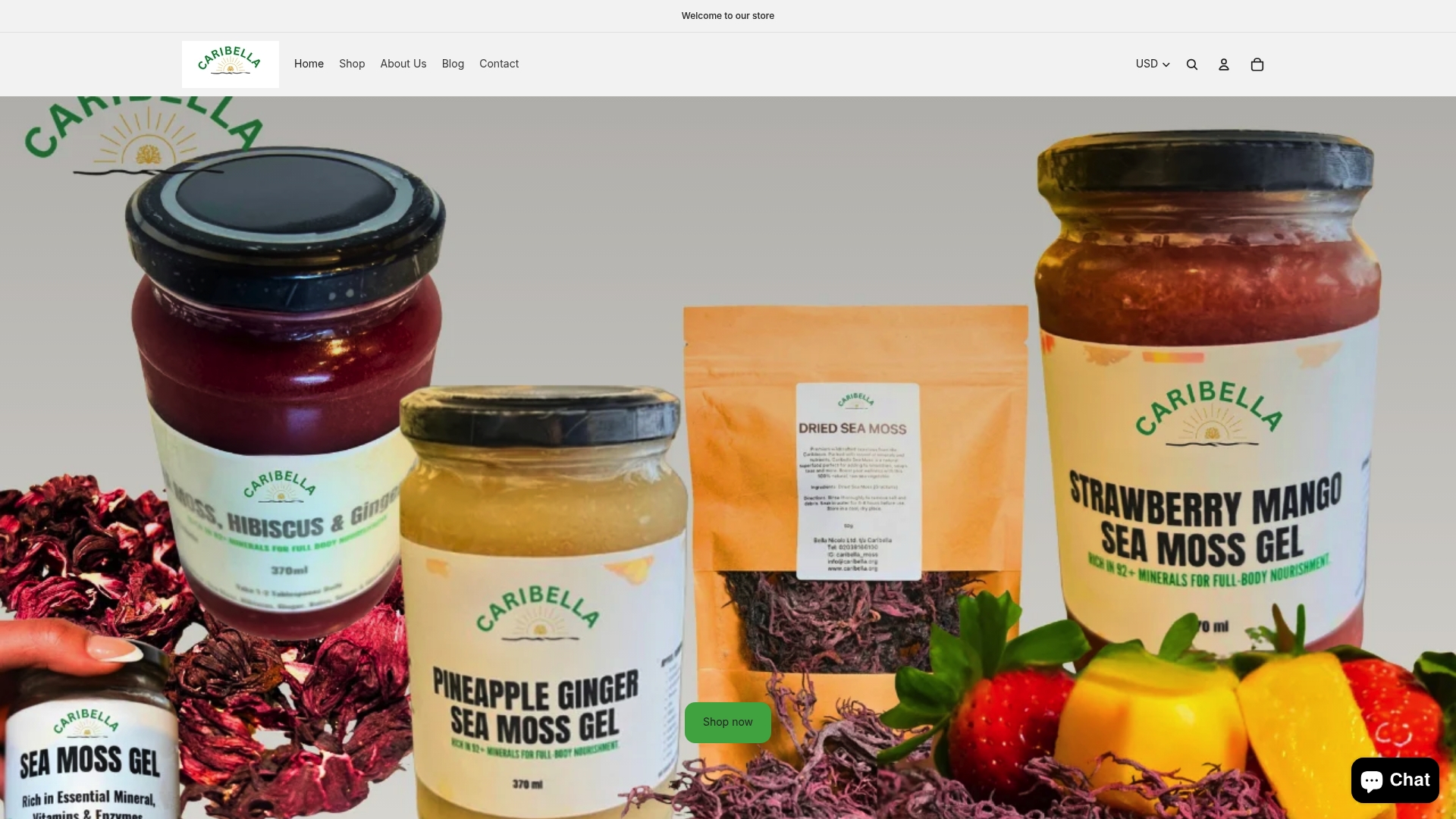
The sea moss gels are made with sustainably harvested sea moss and deliver iodine, magnesium, and B vitamins in a format that takes seconds to add to a smoothie or porridge. The herbal teas are sourced with the same care, combining Caribbean herbal traditions with ingredients that support energy, immunity, and hormonal balance. If you are building a sustainable wellness routine during perimenopause or menopause, these are the kind of products that earn their place in your kitchen rather than cluttering your bathroom shelf.
FAQ
What is sustainable wellness in simple terms?
Sustainable wellness is the practice of improving your personal health through habits that also protect the environment. It combines mindful consumption, nature connection, and eco-conscious choices into a single, integrated approach to well-being.
How does sustainable wellness differ from regular wellness?
Conventional wellness focuses on individual health outcomes, often through product consumption. Sustainable wellness considers the ecological and social impact of those choices, prioritising reduction and reuse over buying more.
Can sustainable wellness help with menopause symptoms?
Yes. Reducing toxic chemical exposure through natural personal care, eating plant-rich whole foods, and spending regular time in green spaces all support hormonal balance and reduce the cortisol dysregulation that worsens many menopausal symptoms.
How do I start sustainable wellness practices without feeling overwhelmed?
Replacing one existing habit with a sustainably oriented alternative is more effective than a full lifestyle overhaul. Start with one product swap or one weekly walk in a green space, then build from there.
Is sustainable wellness backed by science?
Yes. Research including the University of Wisconsin–Madison’s Mindful Eco-Wellness programme shows measurable improvements in anxiety, depression, and fatigue alongside reduced carbon footprints, demonstrating that personal health and environmental responsibility reinforce each other.