

You have almost certainly seen the claim that sea moss contains 92 minerals. It sounds extraordinary, and it has helped sea moss become one of the most talked-about natural supplements for women navigating perimenopause and menopause. But here is the thing: most of those minerals are present in trace amounts too small to have any measurable effect on your health. What actually matters is which minerals sea moss reliably delivers, how much you get per serving, and whether the product you choose has been properly tested. This article works through the real nutrient profile of sea moss so you can make an informed choice for your wellbeing.
Table of Contents
- What is sea moss? Origins, types and why the nutrition matters
- Sea moss nutrient breakdown: Calories, macros and mineral profile
- Gut health, fibre and protein: Why sea moss matters beyond minerals
- Iodine, safety and supplement quality: What women 40+ need to watch out for
- Our take: How to choose sea moss wisely for perimenopausal health
- Discover quality-tested sea moss and natural wellness products
- Frequently asked questions
Key Takeaways
| Point | Details |
|---|---|
| Mineral-rich supplement | Sea moss provides high levels of calcium, iron and iodine, vital for women in perimenopause. |
| Gut-supporting fibre | Carrageenans in sea moss act as prebiotics, aiding digestion and gut health. |
| Iodine safety essentials | Always choose lab-tested sea moss to avoid excess iodine and heavy metal risks. |
| Quality over quantity | Focus on mineral content and verified sourcing, not marketing claims about ‘all minerals’. |
| Practical for menopause | Sea moss can support energy, mood and bone health during perimenopause. |
What is sea moss? Origins, types and why the nutrition matters
Sea moss is a broad term used for several species of red algae, most commonly Chondrus crispus, also known as Irish moss, which grows along the rocky Atlantic coasts of Europe and North America. You will also find species such as Gracilaria harvested from warmer Caribbean and South American waters. The two look quite different. Chondrus crispus tends to be darker and more cartilaginous, while Gracilaria is often golden or purple and sold as dried strands.
What both share is a mineral-dense composition with very few calories. Sea moss is not a food you eat for energy. You use it for its micronutrient content, and that distinction matters when you are trying to support bone health, thyroid function or energy levels during perimenopause.
Here is where the popular marketing messaging deserves some scrutiny. The mineral variability by species is significant, with factors such as water temperature, harvesting season, and processing method all influencing the final nutrient profile. That means a dried sea moss product from one supplier may deliver meaningfully different levels of calcium or iodine than a gel from another. The European Food Safety Authority (EFSA) has specifically flagged concerns about variability in iodine content and potential heavy metal accumulation in seaweeds, which is why lab testing is not optional; it is essential.
“The ‘92 minerals’ claim includes many elements present only in trace quantities. What women over 40 need to focus on are the minerals present in clinically relevant amounts, and those can only be confirmed through independent lab analysis.”
Key things to look for when choosing a sea moss product:
- Species clearly labelled so you know what you are buying
- Origin and harvest location listed on the packaging or website
- Third-party lab testing confirming mineral levels and heavy metal absence
- Processing method stated, as heat and drying affect nutrient retention
- Iodine content per serving so you can manage your daily intake safely
The bottom line is that sea moss is a genuinely mineral-rich supplement, but quality varies considerably. Understanding that is the first step to using it well.
Sea moss nutrient breakdown: Calories, macros and mineral profile
Let us get into the actual numbers, because they tell a more useful story than the 92 minerals headline ever could.
Per 100g, sea moss (Chondrus crispus) provides approximately 49 calories, 1.5g of protein, 12.3g of carbohydrates (of which 1.3g is fibre), and just 0.2g of fat. That macronutrient profile makes sea moss an extremely low-calorie supplement, which is one reason it works so well as a daily addition to smoothies, teas, or taken in capsule form without affecting your overall food intake.
The minerals are where sea moss genuinely earns attention. Per 100g:
| Mineral | Amount per 100g | % Daily value |
|---|---|---|
| Calcium | 171mg | 17% |
| Iron | 21mg | 117% |
| Potassium | 150mg | approx. 4% |
| Sodium | 160mg | 7% |
That iron figure is striking. At 117% of the daily value, sea moss is one of the more iron-rich plant sources available. For women in their 40s, iron is often overlooked once periods become irregular, but fatigue during perimenopause is frequently linked to borderline iron levels. Adding sea moss to your routine could make a meaningful difference here.
Calcium is present at a useful level, particularly if you are working towards supporting bone density as oestrogen levels shift. Magnesium is not always listed in standard nutritional tables but is frequently detected in independently tested sea moss products. It plays a role in sleep quality and mood regulation, two areas that often feel disrupted during the menopausal transition.
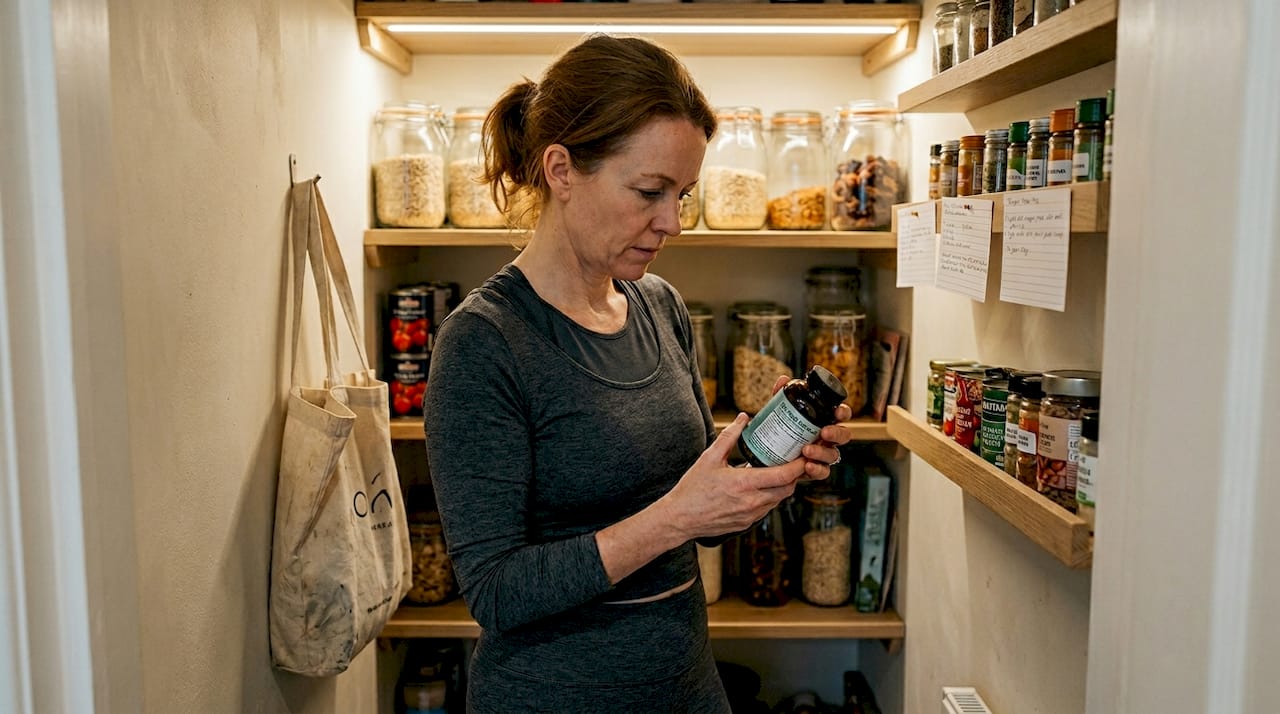
Pro Tip: If you prefer a convenient format, sea moss capsules offer a straightforward way to get a consistent dose daily without having to measure gel or prepare dried moss. You can also source dried golden sea moss or dried purple sea moss if you prefer to prepare your own gel at home and control the concentration yourself.
Mineral concentrations in any sea moss product will shift depending on the harvest, so always check the label values rather than relying solely on general nutritional data.
Gut health, fibre and protein: Why sea moss matters beyond minerals
Sea moss contains a group of soluble fibres called carrageenans, and these are worth understanding properly because they offer benefits that go well beyond basic digestive regularity.
Carrageenans act as prebiotics in the gut, meaning they feed the beneficial bacteria that live in your digestive system. At roughly 30 to 50% of dry weight, soluble fibre is actually a dominant component of sea moss, not just a minor bonus. Healthy gut microbiota are increasingly linked to better management of menopausal symptoms including bloating, mood fluctuations, and even sleep disturbance.
Here is a practical way to think about adding sea moss fibre to your routine:
- Start with a small serving. New fibre sources can cause temporary bloating. Begin with half a teaspoon of gel or one capsule and build up over two weeks.
- Stay hydrated. Soluble fibre absorbs water in the digestive tract. Drink enough fluids throughout the day to help it move comfortably.
- Pair with fermented foods. Prebiotics work best when there are plenty of beneficial bacteria already present. Natural yoghurt, kefir, or fermented vegetables make good companions.
- Be consistent. Gut microbiota respond to regular input. Sporadic use of sea moss will not deliver the same benefit as a daily routine.
- Listen to your body. Digestive responses vary. If bloating persists beyond two weeks, reduce the serving size or try a different format.
The protein in sea moss is modest, at around 1.5g per 100g, but its digestibility (measured at 82 to 87% in vitro protein digestibility studies) is actually quite respectable for a plant source. It will not replace dietary protein, but it adds to your overall intake without effort.
Pro Tip: If gut health is a priority for you, pairing sea moss with a sea moss digestive tea can provide complementary herbal support for bloating and digestion. The flavoured sea moss gels are also a palatable way to make daily use feel less like a supplement and more like a treat.
Iodine, safety and supplement quality: What women 40+ need to watch out for
Iodine is where sea moss supplements require the most careful attention, particularly for women in perimenopause.
Iodine content in sea moss is highly variable, ranging from 16 to over 3,000 micrograms per gram of dry weight. The UK Reference Nutrient Intake (RNI) for iodine is 140 micrograms per day. The EFSA upper limit is 600 micrograms per day, and the absolute tolerable upper limit is 1,100 micrograms per day. With sea moss iodine levels varying so dramatically, it is entirely possible to exceed safe limits from what appears to be a modest daily serving.
Why does this matter specifically for women over 40? The thyroid gland regulates metabolism, energy, and mood, and its function often becomes more sensitive during the perimenopausal years. Both too little and too much iodine can disrupt thyroid activity, worsening fatigue, weight changes, and mood instability at precisely the time when those symptoms are already a challenge.
Here is a comparison of how iodine guidance applies in practice:
| Reference | Iodine value | What it means for you |
|---|---|---|
| UK RNI | 140mcg/day | Adequate daily intake for adults |
| EFSA upper limit | 600mcg/day | Do not exceed regularly |
| Tolerable upper limit | 1,100mcg/day | Absolute ceiling; risks rise above this |
Key safety considerations when choosing sea moss:
- Choose products with iodine content stated per serving on the label
- Look for independent lab certification confirming heavy metal absence
- Avoid unknown or budget sources without verified origins
- Speak to your GP if you have existing thyroid conditions before starting
The herbal teas for menopause and herbal tea for energy on our wellness blog offer additional, iodine-free options for symptom support if you prefer to limit your sea moss intake.
Our take: How to choose sea moss wisely for perimenopausal health
Most sea moss guides lead with the 92 minerals claim and leave you no wiser about what to actually buy. We think that is the wrong starting point entirely.
When we look at the evidence, the minerals that genuinely matter for women navigating perimenopause are iron, calcium, magnesium, and iodine, and the only way to know what you are actually getting is through proper lab testing. A bargain bag of sea moss from an unverified source is not a supplement; it is a gamble.
The research on Irish moss and menopause is still emerging, and we will not overstate what the science currently supports. But what we do know is that a quality-tested, consistently sourced product with clear mineral values gives you a meaningful foundation to work from. That matters more than any headline number of minerals ever could. Choose transparency over marketing, and your body will thank you for it.
Discover quality-tested sea moss and natural wellness products
If this breakdown has helped you see sea moss differently, the next step is finding products you can actually trust. Caribella’s range has been developed with exactly this in mind.
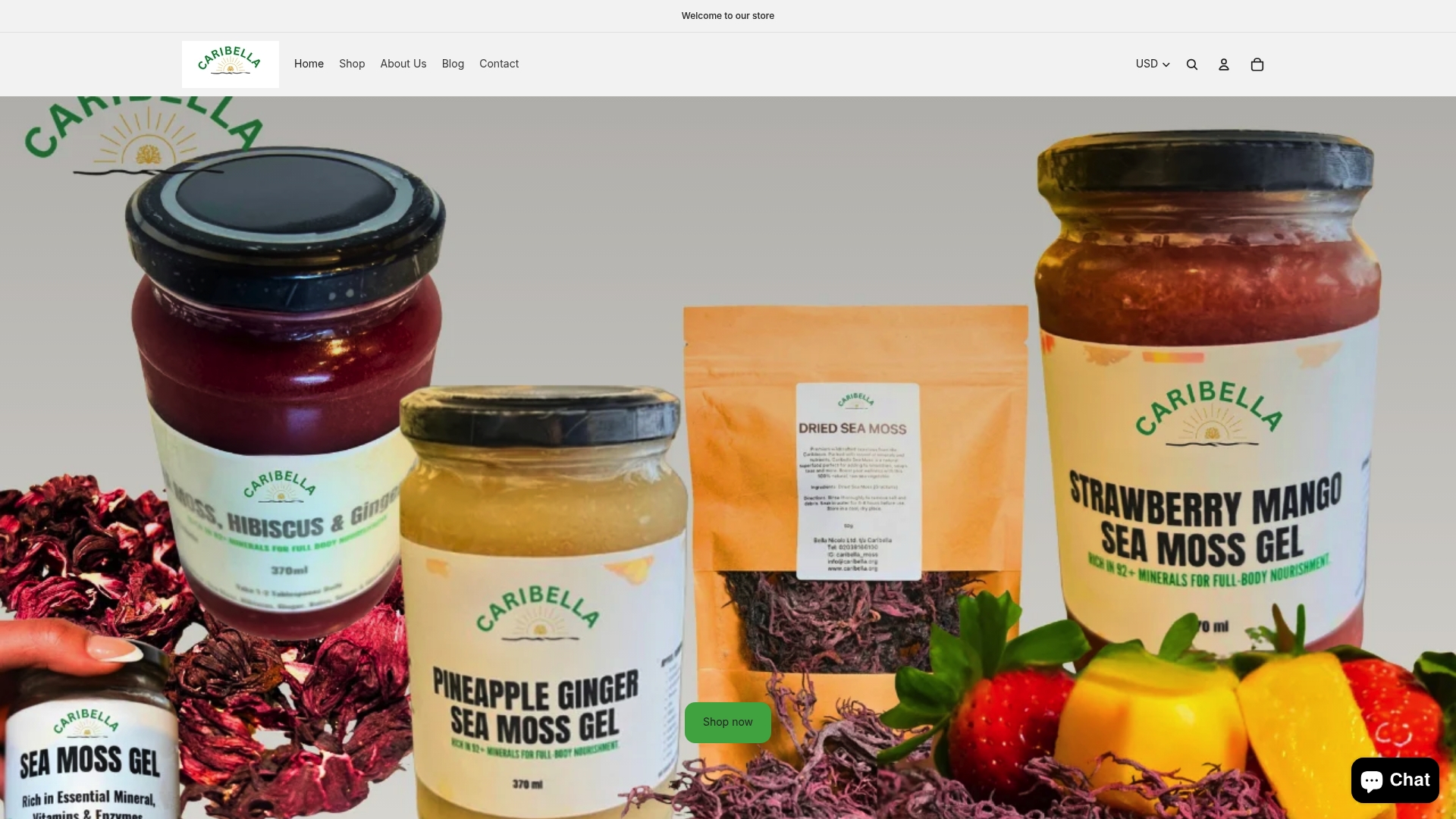
Our sea moss gels are made from carefully selected, quality-tested sea moss, and our flavoured sea moss gels make daily use genuinely enjoyable. For women seeking additional hormonal support alongside sea moss, our hormone balancing capsules bring together complementary natural ingredients in one convenient format. All Caribella products are designed with women’s perimenopausal and menopausal wellbeing at the centre, so you can feel confident about what you are putting into your body every day.
Frequently asked questions
How much sea moss is safe to take daily for menopausal women?
A typical safe intake is 1 to 3g dried daily, but always check the iodine content per serving. The UK RNI is 140mcg and the EFSA upper limit is 600mcg per day, so lab-tested products with stated iodine values are strongly advised.
What are the main minerals in sea moss relevant for women over 40?
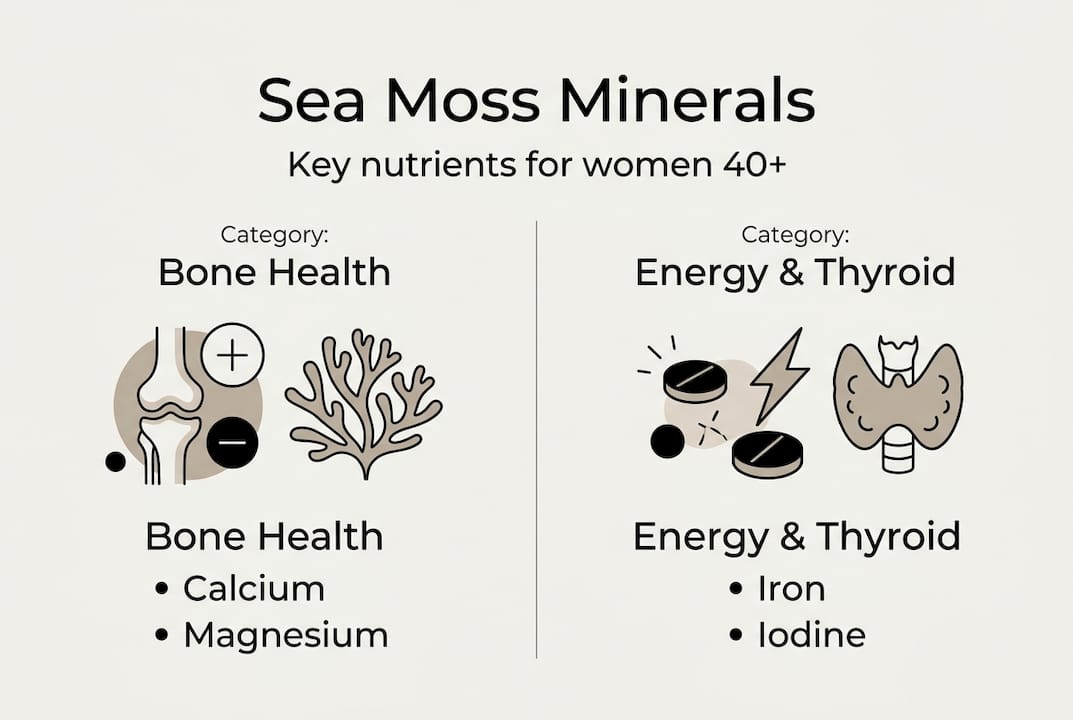
Iron, calcium, magnesium, and iodine are the key minerals. These support energy, bone health, and thyroid function, which are all areas that may need additional nutritional attention during the menopausal transition.
Does sea moss help with menopause symptoms?
There are no direct clinical trials on sea moss and menopause specifically, but its minerals and prebiotic fibre may support energy, mood, and gut health when used consistently as part of a balanced approach.
Can sea moss supplements contain heavy metals or unsafe levels of iodine?
Yes. Mineral content and potential contaminants depend heavily on sourcing and processing. Always choose lab-tested products with verifiable origins to reduce these risks.
Is the ‘92 minerals’ claim useful or accurate for women’s health?
Most are trace elements with no bio-significant effect at the quantities present in a normal serving. Focus instead on the major minerals such as calcium, iron, magnesium, and iodine, which are present in amounts that can realistically support your health.
Recommended
- Irish moss explained: benefits and risks for women over 40 – Caribella
- Herbal tea benefits: a guide for women over 40 – Caribella
- Sea Moss & Bladderwrack Capsules - 60 Capsules – Caribella
- Herbal tea for energy: a guide for women over 40 – Caribella
- How to Optimize Nutrient Absorption: Complete Bioavailability Guide (2 – BioEssentials