

If you’ve heard that sea moss is a natural thyroid booster and wondered whether it might help with the fatigue, weight shifts, or hormonal fog that often arrive after 40, you’re in good company. The connection between sea moss and thyroid health is real, but it’s far more nuanced than most wellness posts suggest. This guide cuts through the noise: what iodine actually does inside your thyroid, why sea moss can both support and disrupt that process, and how to make informed choices about supplements without putting your hormones at greater risk.
Table of Contents
- Key takeaways
- How your thyroid uses iodine
- What sea moss actually contains
- Benefits, risks, and what happens after 40
- Integrating sea moss safely into your routine
- Common myths about sea moss and thyroid support
- My honest view on sea moss and thyroid health
- Support your thyroid naturally with Caribella
- FAQ
Key takeaways
| Point | Details |
|---|---|
| Iodine is a double-edged nutrient | Both too little and too much iodine disrupt thyroid function, so more is not better. |
| Sea moss iodine varies wildly | Iodine content in sea moss shifts dramatically by species and origin, making consistent dosing unreliable. |
| Test before you supplement | Get a baseline thyroid panel before starting sea moss, and retest six to eight weeks after. |
| Autoimmunity, not deficiency | In iodine-sufficient countries, autoimmune disease is the main driver of hypothyroidism, not iodine shortage. |
| Supplements support, not replace | Sea moss and other natural thyroid boosters complement but cannot replace prescribed thyroid medication. |
How your thyroid uses iodine
Your thyroid is a small butterfly-shaped gland at the base of your throat that orchestrates your metabolism, energy levels, body temperature, and mood. It does this by producing two key hormones: thyroxine (T4) and triiodothyronine (T3). A third hormone, TSH (thyroid-stimulating hormone), is released by your pituitary gland to tell the thyroid how much T3 and T4 to make.
Iodine is the raw material your thyroid cannot work without. Without adequate iodine, your body simply cannot synthesise enough T3 and T4. That leads to sluggishness, weight gain, and the kind of bone-deep fatigue that feels nothing like ordinary tiredness. The benefits of iodine for thyroid function are well established, but the relationship is not linear.
Here is the part that surprises most people. Thyroid function follows a U-shaped iodine curve: deficiency causes dysfunction, but so does excess. Your thyroid has a protective mechanism called the Wolff-Chaikoff effect that temporarily shuts down hormone production when iodine floods in too fast. For most healthy glands, this self-corrects. For a thyroid already under autoimmune stress or with nodules, which is common in women over 40, it can tip the balance toward hypothyroidism or hyperthyroidism.
The recommended daily iodine intake for adults is 150 mcg. The upper safe limit is 1,100 mcg per day. Exceed that regularly and you are in territory where thyroid disruption becomes a genuine risk, not a remote one.
- 150 mcg/day: recommended intake for most adults
- 1,100 mcg/day: upper tolerable limit before dysfunction risk rises sharply
- 74% of adults globally are estimated to have insufficient iodine intake, yet supplementation is only advised when deficiency is confirmed
What sea moss actually contains
Sea moss, most commonly the species Chondrus crispus or Gracilaria, is often described as a nutritional powerhouse, and it does carry an impressive mineral profile. For women over 40, the mix of calcium, magnesium, potassium, iron, and zinc is genuinely relevant. These minerals support bone density, muscle function, and energy metabolism, all areas that shift significantly after perimenopause.
The sea moss mineral profile is worth understanding in detail, because iodine is only one part of a larger picture. The sea moss healing properties come from the combination of trace minerals, fibre, and compounds like carrageenan that support gut integrity and immune resilience.
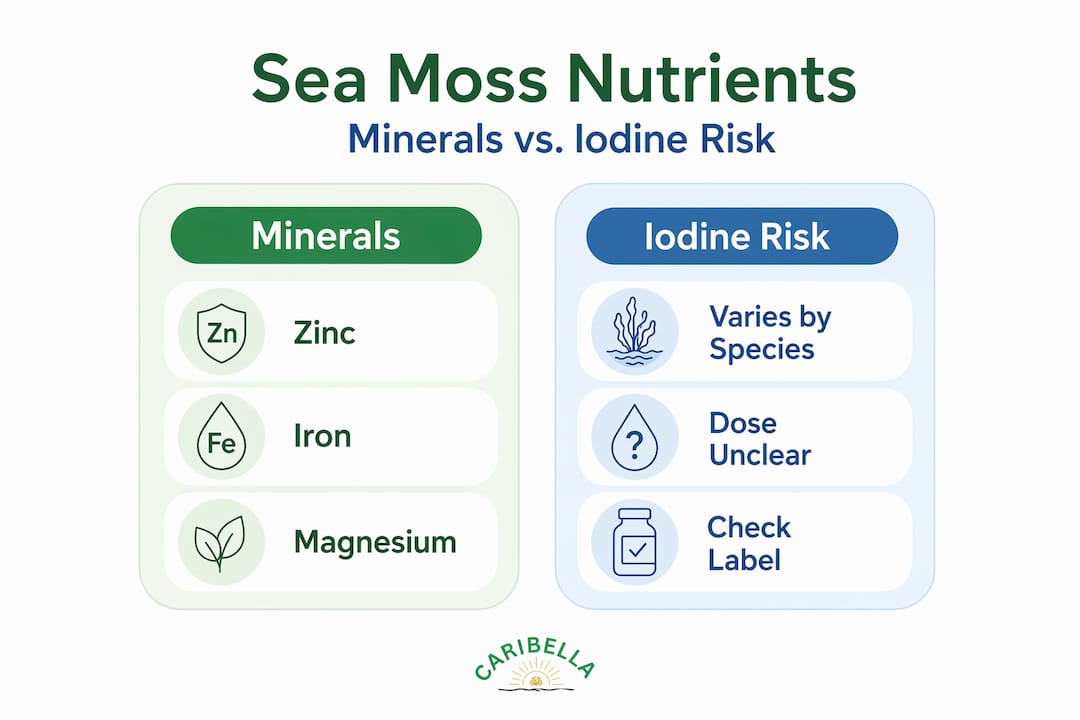
But iodine is where the complexity lies. The iodine in sea moss varies so dramatically that it cannot be treated as a consistent dose. Iodine content ranges from several hundred to several thousand micrograms per gram of dry weight, depending on species, harvest location, and how the moss is processed.
| Factor | Effect on iodine content |
|---|---|
| Species (Chondrus crispus vs Gracilaria) | Chondrus typically contains higher iodine levels |
| Harvest location | Coastal Atlantic seaweeds generally higher than Pacific or farmed varieties |
| Processing method | Sun-drying vs rinsing can concentrate or dilute iodine significantly |
| Form (gel, powder, capsule) | Dilution in gels may reduce iodine per serving compared to raw powder |
Pro Tip: If you take sea moss for thyroid support, look for brands that provide third-party iodine testing per batch. Without that data, you genuinely cannot know how much iodine you are getting per serving.
The lack of standardised dosing is not a minor inconvenience. It is the central challenge for anyone using sea moss to manage thyroid symptoms. A tablespoon of one gel might contain 50 mcg of iodine. Another might contain 800 mcg. Same product category, completely different thyroid impact.
Benefits, risks, and what happens after 40
For women in their 40s and beyond, the thyroid conversation gets more layered. Hormonal changes during perimenopause and menopause already affect thyroid-binding proteins and alter how hormones are transported in the blood. Adding an unregulated iodine source on top of that is not a neutral act.
Where sea moss can genuinely help:
- Women with confirmed mild iodine deficiency may benefit from a modest, consistent iodine source
- The broader mineral content supports metabolic function, energy production, and immune health
- The iron and zinc in sea moss support the conversion of inactive T4 into active T3, which is where many thyroid problems actually live
Where the risks are real:
- Excess iodine can trigger both hypothyroidism and hyperthyroidism, particularly in women with Hashimoto’s thyroiditis or thyroid nodules
- The so-called “iodine crash” is a well-documented phenomenon. Users feel an initial surge of energy as iodine temporarily stimulates thyroid output, then experience worsening fatigue and aches as the gland overcompensates and pulls back
- Levothyroxine absorption can be directly impaired by iodine supplements. If you are on thyroid medication, unregulated sea moss use could quietly reduce the effectiveness of your treatment
In the UK and other iodine-sufficient countries, autoimmune thyroid disease is the leading cause of hypothyroidism, not iodine deficiency. Supplementing iodine when your thyroid problem stems from Hashimoto’s can worsen inflammation rather than resolve it.
The nuance here matters enormously. Sea moss is not inherently dangerous, and it is not a guaranteed solution. It is a nutrient-rich food that requires the same thoughtful approach you would bring to any thyroid health remedy.
Integrating sea moss safely into your routine
If you want to include sea moss as part of your thyroid support plan, the approach below is what makes the difference between helpful and harmful.
- Get baseline labs first. Before introducing any iodine-rich supplement, ask your GP or endocrinologist for a full thyroid panel: TSH, Free T3, Free T4, and thyroid antibodies. You need to know your starting point.
- Disclose everything to your prescriber. If you take levothyroxine or any other thyroid medication, tell your doctor before adding sea moss. Medication timing and iodine can interact in ways that quietly undermine your treatment.
- Choose a low-iodine sea moss product. Gels that have been batch-tested and show lower, more consistent iodine levels are far safer than raw dried powder with unknown concentration.
- Start with a small serving. Begin with half the suggested dose for two to three weeks. Watch for any changes in energy, sleep, heart rate, or mood. These are often the first signals that your thyroid is reacting.
- Retest thyroid labs at six to eight weeks. Follow-up thyroid testing after introducing sea moss gives you actual data rather than guesswork.
- Add complementary nutrients thoughtfully. Selenium, zinc, and iron are critical co-factors for thyroid hormone conversion. You may consider a selenium supplement alongside sea moss, particularly if your diet is light on Brazil nuts and legumes.
Pro Tip: Take sea moss at a different time of day from any thyroid medication. Iodine and minerals can bind to levothyroxine in the gut and reduce how much your body absorbs. A two-hour gap is the minimum most practitioners advise.
Most adults in iodine-sufficient regions already meet daily iodine needs through iodised salt and dairy. That context matters when you are deciding whether sea moss is filling a real gap or simply adding load.
Common myths about sea moss and thyroid support
There is no shortage of confident claims about sea moss online, and several of them are worth examining directly.
“Natural means safe.” This one is repeated constantly and it does real harm. Seaweed is entirely natural. So is a dose of iodine large enough to exceed tolerable limits and trigger thyroid dysfunction. Natural origin does not regulate dose, and dose is everything when it comes to iodine and thyroid health.
“Sea moss heals all thyroid problems.” Sea moss provides iodine and minerals. It does not modulate autoimmune activity, repair damaged thyroid tissue, or replace the precise action of thyroid medication. The sea moss benefits for women over 40 are genuine but they sit within a defined scope. Most common thyroid myths about sea moss conflate mineral support with medical treatment, which are not the same thing.
“You can stop taking your prescription if you feel better on sea moss.” Stopping prescribed thyroid medication can cause serious health consequences, including cardiac complications and cognitive changes. Supplements support thyroid health but they do not replace clinical treatment. Feeling better on sea moss may reflect placebo response, the iodine crash’s early phase, or another factor entirely. It is not evidence your thyroid has normalised.
“More sea moss means faster results.” Higher doses do not accelerate thyroid recovery. They increase the risk of the iodine crash and may worsen existing thyroid conditions. Consistent, moderate use alongside proper thyroid support and medical monitoring is the approach that actually works.
If you want a broader look at which sea moss claims hold up and which do not, the sea moss myths debunked guide from Caribella covers the most persistent misunderstandings in detail.
My honest view on sea moss and thyroid health
I’ve spent years talking with women who come to sea moss with real desperation. They are exhausted, gaining weight despite eating well, and not getting satisfying answers from their GP. Sea moss feels like something they can control. I understand that impulse completely.
What I’ve seen, though, is that the women who get the most from sea moss are the ones who treat it as one tool in a broader picture. Not a cure. Not a replacement for medication. A mineral-rich food that supports what good clinical care is already doing.
The clients who struggle are the ones who buy the highest-dose raw powder they can find, double up because they are not feeling results fast enough, and then wonder why they feel worse two weeks later. The iodine crash is real, and I’ve watched it discourage women from a supplement that could have genuinely helped them if used thoughtfully.
My practical advice: if your thyroid issues stem from Hashimoto’s, be especially cautious. Excess iodine and autoimmune thyroid disease are a poor combination in many cases. Get tested, not just for iodine but for antibodies and nutrient co-factors like selenium, before reaching for any supplement.
Sea moss is not magic. It is also not dangerous when you approach it with the right information. For women navigating hormonal shifts after 40, sea moss and menopause support can fit meaningfully into a wellness routine. Just go in with your eyes open and your thyroid labs in hand.
— Nicole
Support your thyroid naturally with Caribella
If you are ready to try sea moss as part of a considered thyroid wellness approach, the quality and iodine consistency of what you choose matters more than brand aesthetics.
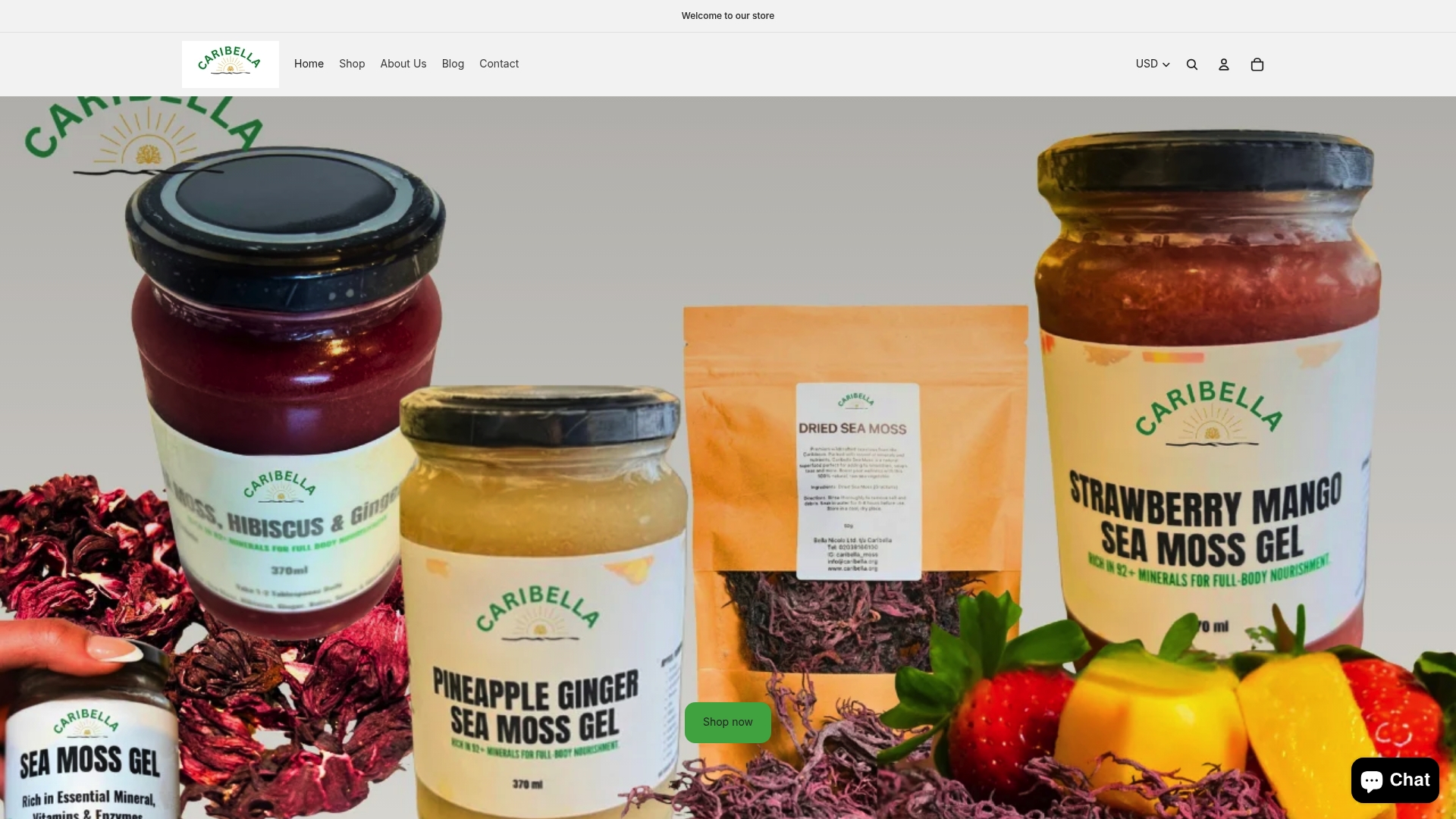
Caribella’s sea moss gels are crafted from carefully selected Caribbean sea moss, made with quality and mineral balance in mind. For those who find plain sea moss gel hard to keep up with, the flavoured sea moss gels make daily use genuinely enjoyable. Caribella also offers women’s wellness capsules formulated to support hormonal balance in midlife, and herbal teas that complement thyroid and hormone health naturally. Explore the full range and build a supplement routine you can trust.
FAQ
Does sea moss help the thyroid?
Sea moss provides iodine and key minerals like zinc and iron that support thyroid hormone production and conversion. Whether it helps depends on your current iodine levels and thyroid condition, so testing before use is advised.
Can sea moss cause thyroid problems?
Yes, in some cases. Because iodine content varies widely by product, sea moss can deliver excess iodine that triggers or worsens thyroid dysfunction, particularly in women with Hashimoto’s or thyroid nodules.
How much sea moss is safe for thyroid health?
There is no universal safe dose because iodine levels vary too much between products. A small daily serving from a batch-tested, lower-iodine gel is the most cautious approach, ideally confirmed with thyroid labs before and after.
Can I take sea moss if I’m on levothyroxine?
You should consult your doctor first. Iodine and minerals in sea moss can impair levothyroxine absorption, so timing and dosage need to be managed carefully to avoid reducing your medication’s effectiveness.
Is sea moss better than iodine tablets for thyroid support?
Sea moss offers a broader mineral profile than isolated iodine supplements, which may benefit overall thyroid function. However, the unpredictable iodine content makes standardised iodine tablets easier to dose accurately for those with confirmed deficiency.