

Plant-based wellness is defined as a lifestyle centred on consuming primarily whole, plant-derived foods to support long-term health, prevent chronic disease, and build sustained vitality. The term is widely used in nutrition and lifestyle medicine, though the formal industry term is “whole-food plant-based diet” (WFPB), a framework championed by researchers at institutions including the American Journal of Lifestyle Medicine. This guide covers plant-based wellness explained step by step: from the science behind its benefits, to nutritional gaps worth monitoring, to a practical phased transition you can start this week.
What are the health benefits of plant-based wellness?
Plant-based diets providing at least 85% of calories from plant sources reduce the risk of type 2 diabetes, cardiovascular disease, and certain cancers while supporting healthy blood pressure. That figure comes from over 50 years of epidemiological research, and it represents one of the most consistent findings in nutritional science. For adults aged 30 to 60, this matters because these are precisely the decades when chronic disease risk begins to climb.
Beyond disease prevention, functional plant foods actively support digestion, immunity, energy, and hormone balance beyond their calorie content. This shifts the conversation away from “eating less” and towards eating with purpose. Whole grains, legumes, leafy greens, and berries each deliver specific compounds that work at the cellular level.

The colour on your plate is not decorative. Diverse coloured vegetables, such as orange carrots, purple cabbage, and dark leafy greens, indicate different phytonutrients that protect cells from oxidative damage. Eating a wider range of colours is one of the simplest ways to increase phytonutrient variety without tracking a single number.
| Health outcome | Evidence summary |
|---|---|
| Reduced type 2 diabetes risk | Epidemiological data over 50 years shows lower incidence and potential remission |
| Lower cardiovascular disease risk | Plant-based diets reduce LDL cholesterol and blood pressure |
| Improved digestion | High fibre intake feeds beneficial gut bacteria and reduces inflammation |
| Enhanced energy and mental clarity | Reduced systemic inflammation supports cognitive function and stamina |
| Cancer risk reduction | Phytonutrients and antioxidants in plants support cellular protection |
Pro Tip: Start tracking colour rather than calories. Aim for at least four distinct colours on your plate per meal to maximise phytonutrient variety without any complicated counting.
How do you address nutritional gaps in a plant-based diet?
Vitamin B12 must be supplemented on plant-based diets because it is not reliably available from plant sources, and deficiency affects nerve function and DNA synthesis. The important nuance here is timing: B12 deficiency can take months or longer to manifest, so new adopters have a window to phase in supplementation thoughtfully rather than panicking on day one.
Beyond B12, iodine, selenium, vitamin D, and zinc may require monitoring depending on how strict your approach is. A flexitarian who still eats fish twice a week faces a very different risk profile than someone following a fully vegan diet. The practical step is a blood panel at your GP before you begin, then again at six months.
One persistent myth is that plant-based eating leads to protein deficiency. Plant proteins from lentils, beans, tofu, and nuts provide all essential amino acids when eaten in variety throughout the day. Protein deficiency is genuinely rare with diverse plant intake, and no single meal needs to be “complete” on its own. For context on how plant proteins support broader body functions, the research on green vegetable proteins extends well beyond basic nutrition.
Key nutrients to monitor and their best plant sources:
- Vitamin B12: Fortified plant milks, nutritional yeast, or a dedicated supplement
- Vitamin D: Sunlight exposure, fortified foods, or a D3/D2 supplement
- Iodine: Seaweed (in moderation), iodised salt, or a supplement
- Zinc: Pumpkin seeds, hemp seeds, chickpeas, and whole grains
- Selenium: Brazil nuts (two per day is sufficient), sunflower seeds
- Omega-3 fatty acids: Flaxseeds, chia seeds, walnuts, or an algae-based supplement
Pro Tip: An algae-based omega-3 supplement is the most direct plant-based source of DHA and EPA. It bypasses fish entirely and delivers the same compounds fish get from eating algae in the first place.
What plant-based eating approaches exist and how do they compare?
Not all plant-based diets are identical, and understanding the differences helps you choose a model that fits your life rather than someone else’s. The spectrum runs from fully vegan to loosely flexitarian, with meaningful differences in strictness, nutritional focus, and social flexibility.
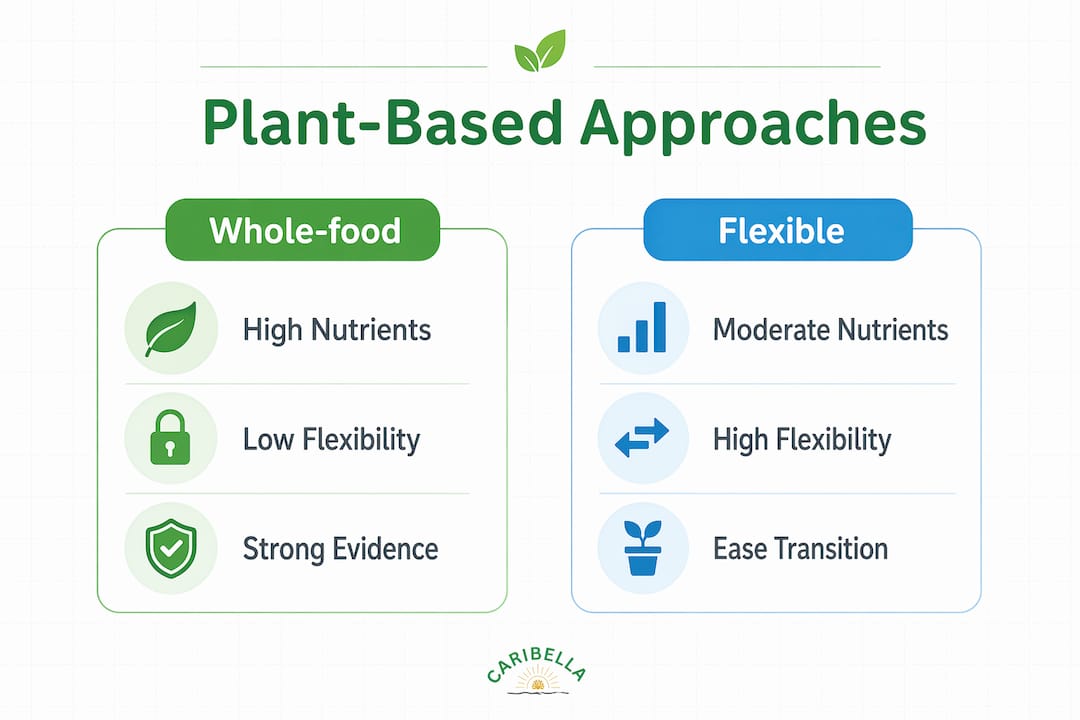
| Approach | Core focus | Flexibility | Key consideration |
|---|---|---|---|
| Whole-food plant-based (WFPB) | Unprocessed plants, no animal products | Low | Highest nutritional density; requires planning |
| Vegan | No animal products of any kind | Low to moderate | Ethical and health motivations; B12 supplementation critical |
| Vegetarian | No meat; may include dairy and eggs | Moderate | Easier socially; some nutritional gaps remain |
| Flexitarian | Primarily plants; occasional meat or fish | High | Most accessible; good entry point for beginners |
| Mediterranean-plant hybrid | Plants dominant; fish and olive oil included | Moderate to high | Strong cardiovascular evidence; culturally familiar |
The WFPB model delivers the highest nutritional density and the strongest disease-prevention evidence. However, the most sustainable plant-based diet is one you can joyfully maintain over a lifetime, not the strictest one you can endure for three months. For most adults in their 30s to 50s, a flexitarian or Mediterranean-plant approach offers a realistic starting point that can evolve over time.
What are the steps to transition to plant-based wellness gradually?
Experts recommend a phased 30-day transition into plant-based eating to allow digestive adaptation and prevent burnout. The phased structure below is designed for adults who want a manageable, evidence-based path rather than an overnight overhaul.
-
Week one: familiar swaps. Replace one or two animal-based meals per day with plant-based versions you already enjoy. Swap minced beef for lentils in a bolognese. Use oat milk instead of dairy in your morning coffee. The goal is zero friction, not perfection.
-
Week two: flavour exploration. Introduce two or three ingredients you have never cooked with before, such as tempeh, miso, or black beans. This phase builds the flavour repertoire that makes the lifestyle feel abundant rather than limited. Cuisines like Indian, Ethiopian, and Mexican are naturally plant-forward and offer immediate inspiration.
-
Week three: nutrient balancing. Review your B12 supplementation, add an omega-3 source, and consciously include a zinc-rich food daily. This is also the week to enhance your wellbeing with functional plant ingredients like sea moss, turmeric, or adaptogenic herbs that support digestion and immunity.
-
Week four: lifestyle integration. Plant-based wellness integrates nutrition with lifestyle: sleep, stress management, and gentle movement are all part of the picture. Use this week to audit your sleep routine and add a short daily movement practice, even a 20-minute walk. The dietary changes you have made in weeks one to three will compound when supported by consistent rest and reduced cortisol.
Batch cooking grains, legumes, and vegetables weekly reduces meal assembly to minutes and removes the decision fatigue that derails most new adopters. Cooking a large pot of brown rice, a tray of roasted vegetables, and a batch of lentils on a Sunday takes roughly 30 minutes and covers the foundation of five or six meals. A well-stocked pantry, with tinned chickpeas, dried lentils, whole oats, nut butters, and tinned tomatoes, means you are never more than 15 minutes from a nutritious meal.
The most effective mindset shift is focusing on what you are adding rather than what you are removing. ‘Crowding out’ less nutritious foods by filling your plate with whole plant foods first is more effective than a restriction-focused approach. This is not a semantic trick. It changes the emotional experience of the transition entirely.
Key takeaways
A plant-based wellness lifestyle reduces chronic disease risk, supports cellular vitality, and is most sustainable when adopted gradually through a phased, addition-focused approach.
| Point | Details |
|---|---|
| Disease risk reduction | Diets with 85%+ plant-sourced calories lower risk of diabetes, heart disease, and certain cancers. |
| B12 supplementation is non-negotiable | Vitamin B12 is not reliably available from plants; supplement from day one of any strict plant-based diet. |
| Protein deficiency is a myth | Lentils, beans, tofu, and nuts together provide all essential amino acids without animal products. |
| Phased transition prevents burnout | A 30-day phased approach allows digestive adaptation and builds lasting habits rather than short-term compliance. |
| Wellness extends beyond diet | Sleep quality, stress management, and movement amplify the benefits of plant-based nutrition significantly. |
Why I stopped thinking of plant-based wellness as a diet
I have seen a lot of people approach plant-based eating the way they approach a January detox: with rigid rules, a countdown clock, and a quiet hope that it will be over soon. That approach almost always fails, and not because the person lacks willpower. It fails because restriction is exhausting, and no one sustains something that feels like punishment.
What changed things for me was treating plant-based wellness as a practice of curiosity rather than compliance. The question shifted from “what am I not allowed to eat?” to “what does this ingredient actually do for me?” Once you understand that sea moss delivers a remarkable range of trace minerals, or that turmeric works at the level of inflammatory pathways, food stops being a moral ledger and starts being genuinely interesting.
The other thing I would push back on is the idea that you need to commit fully before you start. The research is clear that even a predominantly plant-based diet, one that still includes occasional fish or eggs, delivers substantial health benefits. Waiting for the “perfect” version of plant-based eating is the most common reason people never begin. Start with one meal. Build from there. The energy support available from herbal and plant-based sources is real, and you will notice it within weeks, not months.
Self-compassion is not a soft concept here. It is a practical tool. The people who sustain plant-based wellness long-term are not the ones who never slip. They are the ones who do not catastrophise when they do.
— Nicole
How Caribella supports your plant-based wellness journey
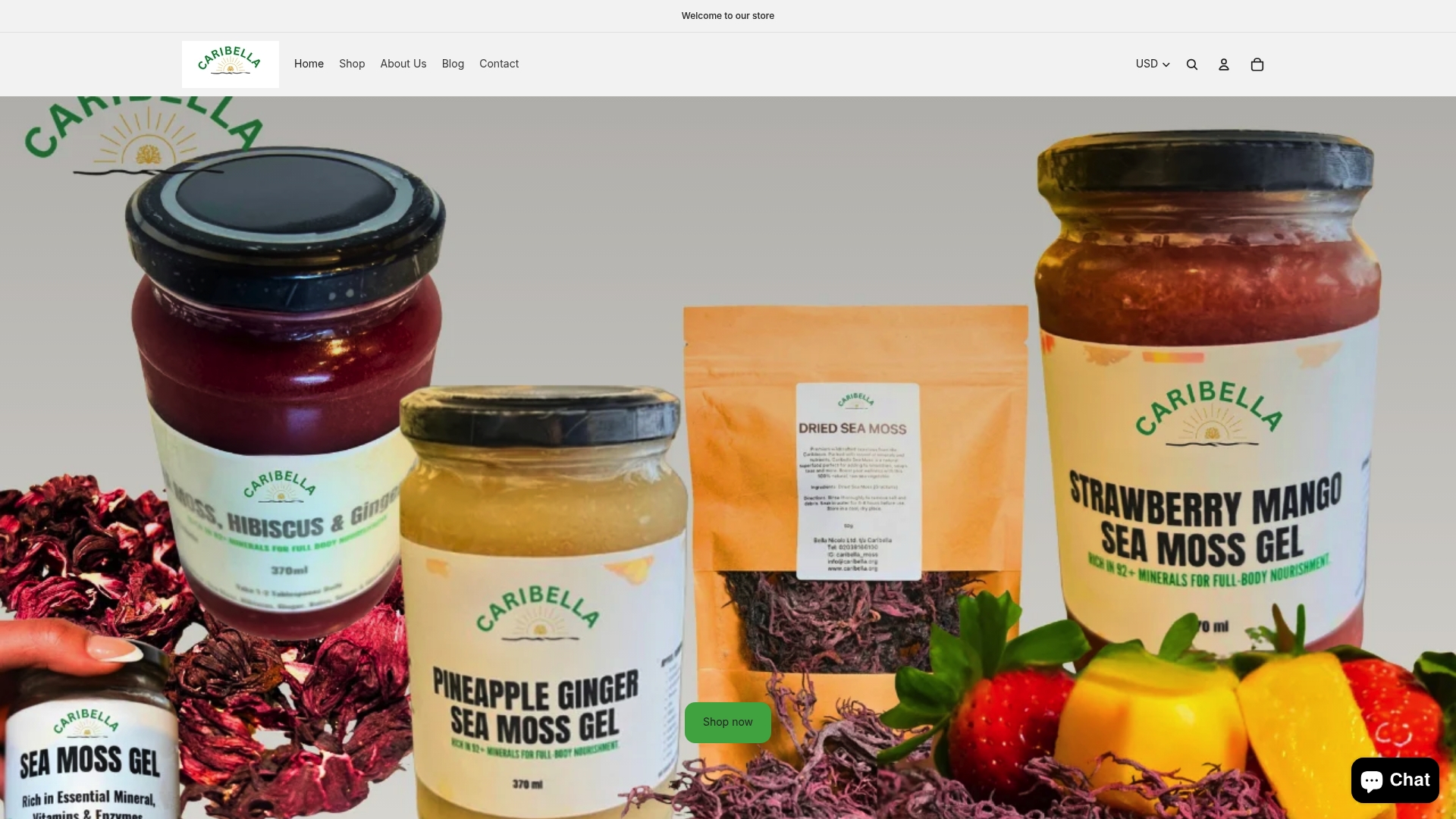
Caribella was built on the same principles this article describes: nourishment over restriction, whole plant ingredients over synthetic shortcuts, and Caribbean botanical wisdom applied to modern wellness. If you are in the transition phase and looking for nutrient-dense support, Caribella’s sea moss gels deliver a concentrated source of trace minerals including iodine, zinc, and magnesium, nutrients that plant-based adopters are most likely to need. The herbal teas are formulated to support digestion and calm, two things that genuinely matter when your gut is adapting to a higher-fibre diet. Every product is plant-based, free from artificial additives, and designed to fit into a real daily routine without complication.
FAQ
What does plant-based wellness actually mean?
Plant-based wellness is a lifestyle that prioritises whole, plant-derived foods including vegetables, fruits, legumes, grains, nuts, and seeds to support long-term health and reduce chronic disease risk. It is broader than veganism because it includes holistic practices such as sleep, stress management, and movement alongside dietary choices.
Do you need to go fully vegan to benefit from plant-based eating?
No. Research shows that even a predominantly plant-based diet, such as a flexitarian or Mediterranean-plant approach, delivers significant reductions in cardiovascular disease risk and improved metabolic health. Full veganism offers additional benefits but is not required to see meaningful results.
What is the most important supplement on a plant-based diet?
Vitamin B12 supplementation is the single most critical supplement for anyone following a strict plant-based or vegan diet, as it is not reliably available from plant sources and deficiency affects nerve and DNA health.
How long does it take to feel the benefits of plant-based eating?
Most people report improved digestion and energy within two to four weeks of increasing whole plant food intake. Longer-term benefits such as reduced inflammation and improved cholesterol markers typically appear within three to six months.
Is plant-based eating expensive?
Staple plant-based foods including lentils, tinned beans, oats, frozen vegetables, and whole grains are among the most affordable foods available. Costs rise when relying on processed plant-based convenience products, so building meals around whole-food staples keeps the approach both nutritious and budget-friendly.