

If you have noticed your digestion changing in your forties and beyond, you are not imagining it. Hormonal shifts during perimenopause and menopause directly affect gut function, bringing bloating, constipation, reflux, and cramping that simply were not there before. Knowing how to improve digestion herbs can make a genuine difference, but only when you match the right plant remedy to the right symptom. This guide covers which herbs work for what, how to use them safely, and the lifestyle basics that make every remedy more effective.
Table of Contents
- Understanding digestion issues in perimenopause and menopause
- Living well with digestion discomfort: preparation and basics
- Herbs for digestion: matching remedies to symptoms
- Putting it all together: how to use digestion herbs safely and effectively
- A fresh take: why personalised herb choices trump one-size-fits-all digestion remedies
- Discover natural digestive support with Caribella herbal products
- Frequently asked questions
Key Takeaways
| Point | Details |
|---|---|
| Symptom-specific herbs | Choose digestion herbs based on your main symptom like cramps, bloating, or reflux for best results. |
| Combine with basics | Herbs work best when paired with regular meals, good hydration, and fibre management. |
| Monitor and reassess | Trial herbal remedies for 1-2 weeks, then review benefits and adjust use accordingly. |
| Safe usage timing | Take peppermint oil 30-60 minutes before food and avoid close timing with other indigestion medicines. |
| Consult for alarm signs | Persistent or worsening symptoms need professional assessment before continuing herbal self-care. |
Understanding digestion issues in perimenopause and menopause
To use herbs effectively, it is important to first understand the digestion challenges common in your stage of life.
Oestrogen and progesterone do far more than regulate your cycle. They influence gut motility (how quickly food moves through your digestive tract), the sensitivity of your gut lining, and even how much stomach acid you produce. When these hormones fluctuate or decline, the knock-on effects show up in very different ways for different women. Menopause can shift bowel habits, ranging from constipation to loose stools, and increase reflux sensitivity.
This variability is exactly why generic herbal blends rarely hit the mark. One woman’s main complaint is painful cramping after meals. Another’s is persistent acid reflux that wakes her at night. A third feels so bloated by early afternoon that she looks three months pregnant. The underlying mechanism in each case is different, and so the herbal remedy that helps one woman may actively worsen another’s symptoms.
Common digestion symptoms during perimenopause and menopause:
- Abdominal bloating, particularly after meals or in the afternoon
- Constipation or irregular bowel movements
- Loose stools or urgency, especially during hormonal fluctuations
- Acid reflux or heartburn, often worse at night
- IBS-type cramping and spasms
- Increased sensitivity to foods that were previously well tolerated
- Excess gas and discomfort
Understanding your dominant symptom is the most important step you can take before reaching for any remedy. Review the table below to see how different symptoms connect to different herbal approaches.
| Dominant symptom | Likely mechanism | Herbal approach to consider |
|---|---|---|
| IBS-type cramping and spasms | Gut muscle hypersensitivity | Peppermint oil (enteric-coated capsules) |
| Bloating and trapped gas | Slowed motility, fermentation | Fennel seeds, peppermint |
| Constipation | Reduced gut motility, low fluid intake | Hydration first, soluble fibre, gentle bitters |
| Acid reflux / heartburn | Reduced lower oesophageal tone | Avoid peppermint; caution with bitters |
| General sluggish digestion | Low gastric acid output | Bitter herbs (with caution) |
Exploring herbal wellness for women 40+ in more depth can help you understand where plant remedies fit within the broader picture of menopausal health.
Living well with digestion discomfort: preparation and basics
With these lifestyle basics in place, you can prepare to incorporate herbs tailored to your specific digestion concerns.
Herbs are not a shortcut around the fundamentals. If your meal timing is erratic, you are barely drinking water, and your fibre intake is low, no plant remedy will fully compensate. The good news is that even modest adjustments to your daily habits can produce noticeable relief before you add a single herb.
Eating regularly and drinking at least 8 glasses of water daily supports digestion and helps prevent constipation. Chewing slowly matters more than most people realise. Digestion begins in the mouth, and inadequate chewing means larger food particles reach your stomach, making the whole process harder.
Lifestyle fundamentals that support digestion:
- Eat at consistent times each day to regulate gut motility rhythms
- Chew each mouthful slowly, aiming for 15 to 20 chews before swallowing
- Drink water steadily throughout the day rather than in large amounts at meals
- Increase soluble fibre (oats, lentils, cooked vegetables) gradually rather than adding lots of insoluble fibre at once, which can worsen bloating
- Keep a simple food diary for one week to identify trigger foods, common culprits include fatty foods, alcohol, caffeine, and carbonated drinks
- Introduce probiotics if you wish, but give them four to six weeks and track your response honestly
Understanding the improving gut health process step by step helps you build these habits in a logical order rather than trying to change everything at once.
Pro Tip: If bloating is your main issue, try swapping your usual drink at mealtimes for a warm fennel or ginger herbal tea. Warmth relaxes the gut muscles, and both herbs have traditional use for reducing gas. Hydration with herbal teas is one of the easiest ways to meet your daily fluid target while also supporting digestion.
| Lifestyle habit | Impact on digestion | How quickly you may notice improvement |
|---|---|---|
| Regular meal timing | Regulates gut motility | 1 to 2 weeks |
| Increased daily water intake | Prevents constipation | 3 to 5 days |
| Slower chewing | Reduces gas and bloating | Immediately |
| Soluble fibre increase | Feeds beneficial gut bacteria | 2 to 4 weeks |
| Probiotic introduction | Supports microbiome balance | 4 to 6 weeks |
For women specifically navigating menopausal digestion changes, herbal teas for menopause digestion offer a practical entry point that combines hydration with gentle herbal support.
Herbs for digestion: matching remedies to symptoms
Now that you know which herbs suit which symptoms, let us review how to safely integrate these remedies into your routine.
This is where most generic advice falls short. Articles list ten herbs and suggest you try them all. That approach ignores the fact that some of these herbs directly contradict each other in terms of who should use them. Personalised herbal use is the difference between genuine relief and making your symptoms worse.
Peppermint oil
Peppermint oil is the most well-researched digestive herb for IBS-type symptoms. It relaxes bowel muscles to relieve cramps and bloating but may worsen reflux and takes one to two weeks for full effect. The key here is “enteric-coated” capsules, which means the coating delays release until the oil reaches the small intestine rather than dissolving in the stomach. If you buy cheap peppermint capsules without this coating, you are far more likely to experience heartburn rather than relief.
Fennel seeds
Fennel has centuries of traditional use across Mediterranean and South Asian cooking cultures, specifically for settling digestion after meals. Fennel’s muscle-relaxing effects may reduce cramp-like IBS pain, though clinical trial evidence is limited. In practice, fennel works well as a tea or chewed seeds after eating, particularly for gas and bloating. The taste is anise-like and pleasant for most people.
Bitter herbs
Bitters are less well-known in the UK but have a long history in European herbal medicine. Bitter herbal extracts stimulate gastric acid production via taste receptors, which can benefit women with sluggish digestion and low stomach acid. However, they may worsen reflux symptoms, so they should be used cautiously and are not suitable if heartburn is your dominant complaint.
Turkey tail mushroom deserves a mention here too. While not a herb in the traditional sense, turkey tail and gut health research is growing, particularly around its prebiotic effects on the gut microbiome. It is an interesting option for women looking to support overall gut health rather than targeting a single acute symptom.
| Herb | Best for | Avoid if | Format |
|---|---|---|---|
| Peppermint oil (enteric-coated) | IBS cramps, bloating | Reflux, heartburn | Capsules |
| Fennel seeds | Gas, bloating, sluggish digestion | Generally well tolerated | Tea, chewed seeds |
| Bitter herbs | Low gastric acid, sluggish digestion | Reflux, heartburn, ulcers | Tincture, tea |
| Ginger | Nausea, sluggish digestion | High doses with blood thinners | Tea, capsules |
| Turkey tail mushroom | Microbiome support, general gut health | Check with GP if immunocompromised | Capsules, powder |
Pro Tip: When you start a new herbal remedy, change one thing at a time. If you introduce peppermint oil and a probiotic simultaneously and your symptoms shift, you will have no idea which intervention caused the change. One herb, two weeks, clear notes. Then reassess.
For a broader look at the evidence behind herbal remedies in menopause, herbal teas for menopause evidence provides a grounded overview. The herbal supplements guide for women over 40 is also worth bookmarking for safety considerations.
Putting it all together: how to use digestion herbs safely and effectively
With these steps, you can confidently use digestion herbs alongside lifestyle habits for better comfort and health.
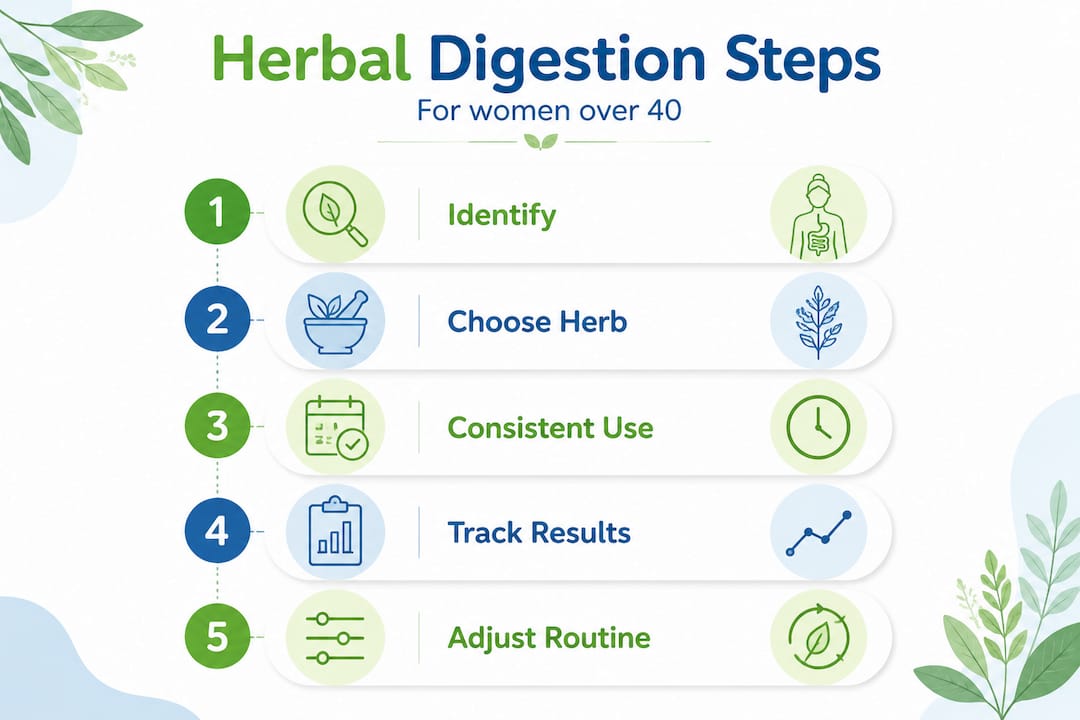
A step-by-step approach to starting herbal digestive support:
- Identify your dominant symptom. Is it cramping, bloating, constipation, reflux, or general sluggishness? Write it down. This determines which herb you trial first.
- Check for alarm symptoms first. Unexplained weight loss, blood in stools, difficulty swallowing, or persistent vomiting require GP review before any self-treatment. NICE advises ruling out alarm symptoms before self-treating digestive complaints.
- Review your medications. Some herbs interact with common medications including antidepressants, blood thinners, and thyroid treatments. Tell your GP or pharmacist what you are considering before you start.
- Choose your herb and format based on the table above. For IBS cramps, start with enteric-coated peppermint oil capsules. For bloating, try fennel tea first as it has a lower risk profile.
- Time your remedy correctly. Take peppermint oil 30 to 60 minutes before food and leave a two-hour gap from any indigestion medicines to get the best effect.
- Keep a symptom diary for two weeks. Note what you took, when, what you ate, and how your digestion responded. Patterns become visible quickly.
- Reassess and adjust. If symptoms worsen, particularly if reflux increases, stop immediately and consult a clinician. If symptoms improve, continue and maintain your lifestyle basics alongside.
“The most common mistake women make with herbal remedies is inconsistency — taking something twice and deciding it does not work, or using it daily for months without evaluating whether it is still helping.”
What to maintain alongside your herbal remedy:
- Regular meals at consistent times
- At least eight glasses of water daily
- A moderate increase in soluble fibre
- Avoidance of identified trigger foods
- Adequate sleep and stress management, both of which directly affect gut function
The safe herbal remedies workflow for menopause walks through this process in even more detail and is a useful reference if you are managing multiple symptoms at once.
Pro Tip: If you are using peppermint oil and also take any medication for acid reflux or indigestion, speak to your pharmacist first. Peppermint oil interacts with the way these medicines work and timing matters significantly.
A fresh take: why personalised herb choices trump one-size-fits-all digestion remedies
There is a particular type of wellness content that lists ten herbs and tells you to “try them all to see what works.” It is genuinely unhelpful, and for women in perimenopause, it can tip symptoms in the wrong direction.
The reality is that menopausal digestion is not one condition. It is a cluster of related but distinct complaints, each with a different mechanism, and each requiring a different herbal approach. Peppermint oil is genuinely helpful for IBS cramps, but recommending it to a woman whose main symptom is acid reflux could make her nights significantly worse. Bitter herbs may energise digestion for someone with low gastric acid, and actively damage comfort for someone with an irritated oesophagus. This is not nuance for the sake of it. It is the practical difference between relief and frustration.
Timing matters just as much as selection. Taking the wrong form of peppermint (non-enteric-coated) or at the wrong time relative to meals dramatically reduces its effectiveness and increases side effects. This is not information buried in research papers. It is straightforward, practical guidance that most herbal advice simply skips over.
The most empowering shift you can make is to stop thinking about “digestion herbs” as a category and start thinking about your specific symptom first. Find the herb matched to that symptom, follow dosage and timing guidance, monitor for two weeks, and reassess honestly. This approach is what separates women who get real relief from those who try herb after herb with no clear results.
A practical starting point is reviewing the practical herbal supplements guide which addresses this symptom-first thinking in practical terms.
Discover natural digestive support with Caribella herbal products
If you are ready to bring herbal digestive support into your daily routine, Caribella’s range is built precisely for women at this stage of life.
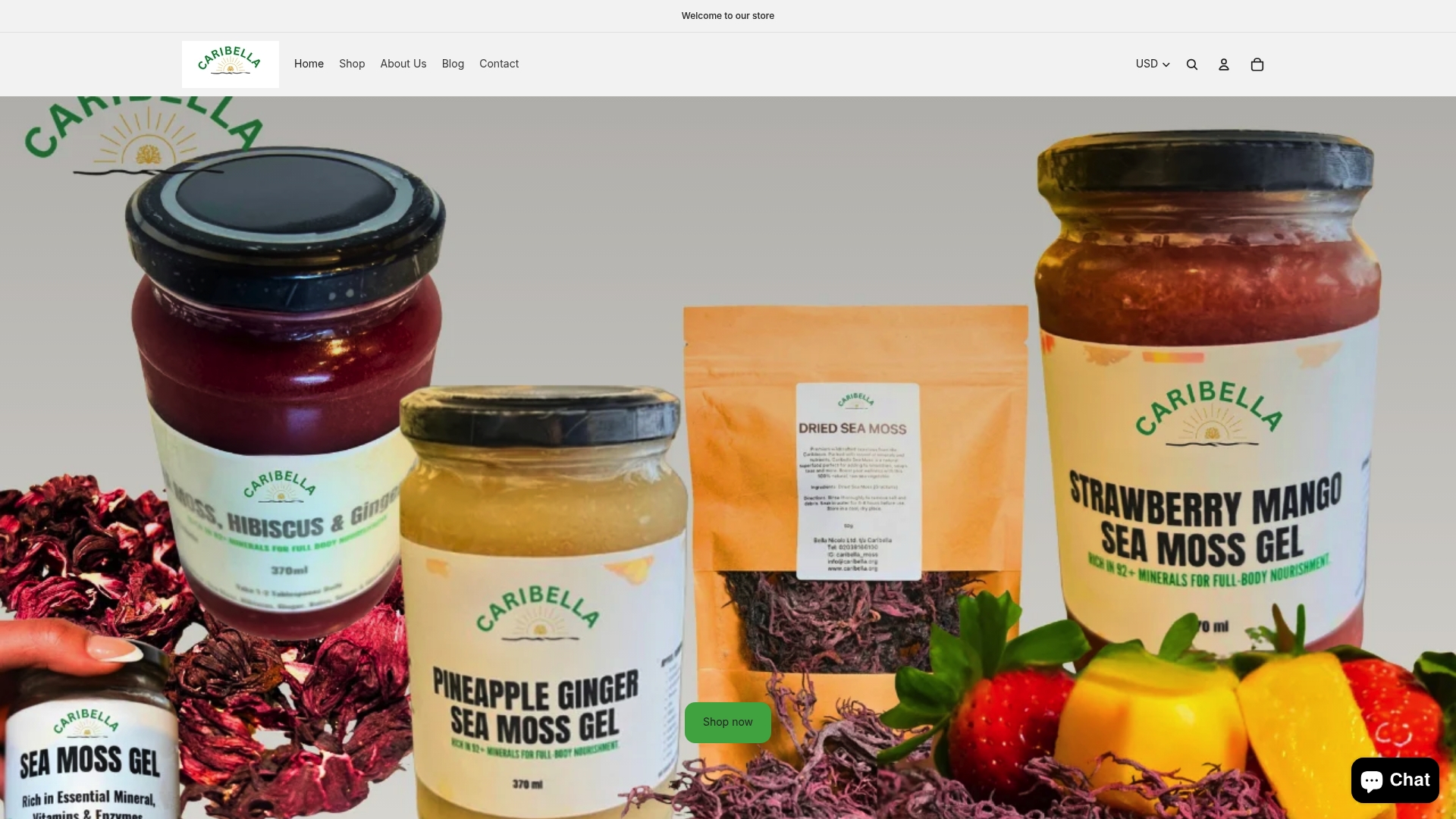
Caribella’s herbal teas are formulated with carefully selected botanicals to support digestive comfort and general wellbeing during perimenopause and menopause. For a more targeted daily supplement, the Women’s Wellness Capsules bring together botanical blends designed to complement both digestive health and hormonal balance. And for gut nourishment rooted in Caribbean tradition, the sea moss gels collection offers a natural, prebiotic-rich option that fits easily into your existing routine. Every product is made with quality-selected ingredients and designed with women over 40 firmly in mind.
Frequently asked questions
Can peppermint oil worsen heartburn or reflux?
Yes, peppermint oil can worsen reflux and is not suitable for those with reflux disease, so avoid it if heartburn is your dominant symptom and speak with your GP or pharmacist first.
How long should I try an herbal remedy before expecting results?
Most remedies, including peppermint oil, can take up to two weeks for full benefit, so commit to a consistent trial period and track your symptoms before deciding whether to continue or adjust.
Are bitter herbs safe for everyone with digestion issues?
No. Bitter herbs stimulate gastric acid and may aggravate reflux or heartburn, so consult a healthcare professional before using them if either of these symptoms is a regular issue for you.
What lifestyle changes support herbal digestion remedies during menopause?
Eating regularly, avoiding long gaps between meals, chewing slowly, and drinking at least eight glasses of water daily provide the foundation that makes herbal remedies significantly more effective.