

A menopause wellness routine is a structured, personalised plan combining nutrition, movement, sleep hygiene, and stress management to reduce symptoms and protect long-term health. Building one is not about perfection. It is about creating consistent, evidence-based habits that adapt as your body changes. Women who start intentional lifestyle habits from age 40 experience a smoother menopause transition and lower long-term health risks. This guide covers the core pillars of a menopause health routine, the tools that make it sustainable, and how to work with healthcare providers to personalise your approach.
How to build a menopause wellness routine: the core pillars
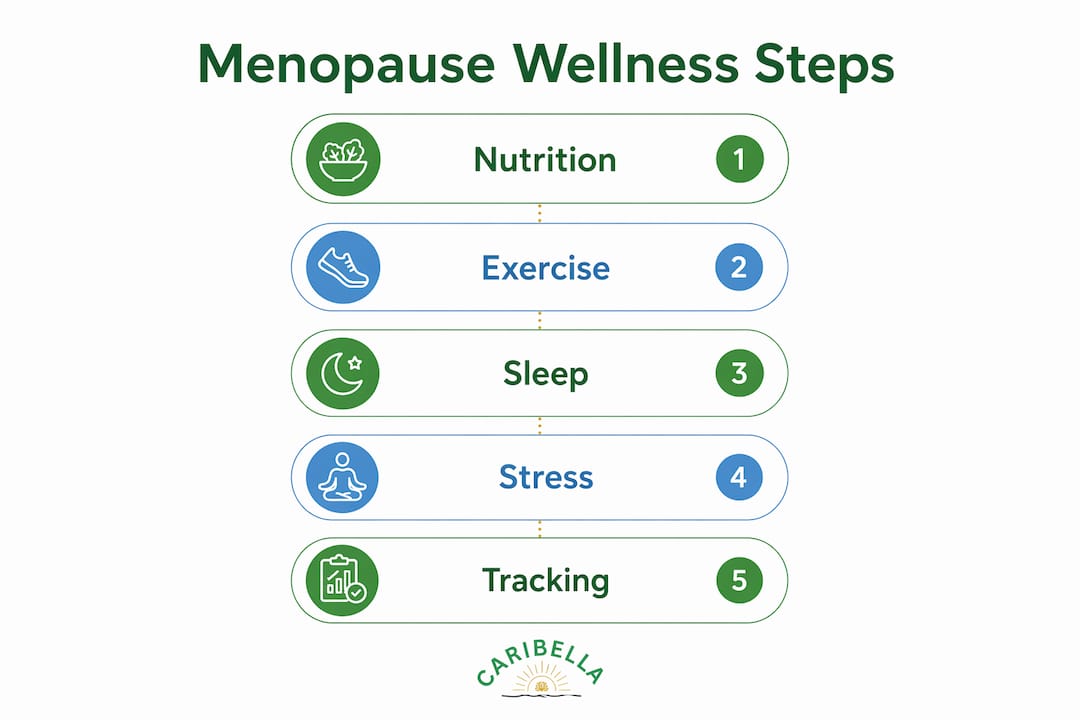
The most effective menopause wellness routine addresses five areas simultaneously: nutrition, exercise, sleep, stress management, and symptom tracking. Focusing on just one or two areas produces limited results because these systems are deeply interconnected. Poor sleep raises cortisol, which worsens hot flushes and weight gain. Low protein intake accelerates muscle loss, which undermines the benefits of exercise. The pillars reinforce each other, and that is precisely why a whole-person approach produces better outcomes than any single intervention.
Understanding what a wellness routine actually involves helps you set realistic expectations from the start. You are not overhauling your life overnight. You are layering small, targeted habits that compound over weeks and months into meaningful change.

What should you eat during menopause?
Nutrition is the foundation of any menopause wellness plan, and the specific nutrient requirements during this stage are higher than most women realise. Women aged 51 and over require 1,200 mg of calcium daily, alongside 600 to 800 IU of vitamin D depending on age, to protect bone density as oestrogen declines. These are not optional targets. Bone loss accelerates significantly in the first five years after menopause, and dietary calcium is the most accessible first line of defence.
Protein intake is equally critical, and most women fall well short of what they need. Tracking dietary intake consistently reveals that women consume less than 50% of the protein required to preserve muscle mass, which should sit between 1.3 and 1.6 grams per kilogram of ideal body weight. Muscle loss during menopause is not inevitable, but it does require deliberate effort to prevent. Combining protein with resistance training is the only approach that works. Protein alone, without the training stimulus, is insufficient to maintain muscle tissue.
- Prioritise calcium-rich foods: dairy, fortified plant milks, tinned sardines with bones, kale, and almonds
- Aim for 25 to 30 grams of protein per meal from sources like eggs, legumes, Greek yoghurt, fish, and chicken
- Increase dietary fibre to 25 grams daily to support metabolic health and reduce cardiovascular risk
- Limit added sugars, which drive insulin resistance and worsen mood fluctuations
- Include phytoestrogen-rich foods such as edamame, flaxseeds, and tofu, which may ease hot flushes for some women
- Use a nutrition tracking app like Cronometer to identify gaps in your intake before adjusting supplements
Anti-inflammatory eating patterns, such as the Mediterranean diet, are well-supported for menopause symptom management. They reduce systemic inflammation, support cardiovascular health, and improve mood. You do not need to follow a rigid plan. Shifting the balance of your plate towards vegetables, oily fish, wholegrains, and olive oil is enough to see benefit.
Pro Tip: Avoid highly restrictive diets during menopause. Cutting calories too aggressively depletes bone-building nutrients and accelerates muscle loss. Eat more of the right foods rather than less of everything.
Which exercises are most effective for menopause health?
Movement is one of the most powerful tools in a menopause health routine, and the evidence for specific types is clear. The recommended target is 150 minutes of moderate aerobic activity weekly, combined with at least two resistance training sessions. This combination addresses the three biggest physical risks of menopause: bone loss, muscle loss, and cardiovascular disease.
Resistance training preserves bone density, maintains muscle mass, and improves insulin sensitivity. These benefits are not achievable through cardio alone. Women who skip strength work in favour of walking or cycling exclusively are leaving significant protection on the table.
A practical beginner routine looks like this:
- Monday: 30-minute brisk walk plus 15 minutes of bodyweight squats, lunges, and press-ups
- Wednesday: 30-minute resistance session using dumbbells or resistance bands, focusing on legs, back, and shoulders
- Friday: 30-minute walk or cycling session
- Saturday: Yoga or tai chi for 30 to 45 minutes, targeting flexibility and balance
- Sunday: Light stretching or a gentle walk to stay active without overloading recovery
Progress this by adding weight, duration, or an extra session every two to three weeks. Balance and flexibility work, such as yoga and tai chi, reduce fall risk and support joint health. These are not optional extras for women over 40. They are preventive medicine.
Regular movement also directly reduces hot flushes, improves mood by raising endorphins, and supports weight management by preserving metabolically active muscle tissue. The Wildflower Weight Loss blog offers practical lifestyle guidance for women navigating these changes alongside their fitness routines.
Pro Tip: Start with five minutes of daily stretching if a full routine feels overwhelming. Consistency at a low level beats sporadic high-intensity effort every time. Build the habit first, then build the intensity.
How do sleep and stress management fit into your routine?
Poor sleep worsens mood, cognitive function, and menopause symptoms in a self-reinforcing cycle. Brain fog, irritability, and weight gain all intensify when sleep is disrupted. Treating sleep as a health priority rather than a lifestyle preference is one of the most impactful shifts you can make.
Practical sleep hygiene measures that work specifically for menopausal women include:
- Keep your bedroom at approximately 18.3°C to reduce night sweats and improve sleep continuity
- Set a consistent sleep and wake time, even at weekends, to regulate your circadian rhythm
- Avoid screens for at least 60 minutes before bed, as blue light suppresses melatonin production
- Use moisture-wicking bedding and lightweight layers to manage night sweats without waking fully
- Limit alcohol, which fragments sleep architecture and worsens hot flushes
Stress management is not a soft add-on to a menopause wellness routine. It is scientifically necessary. Cortisol disrupts oestrogen metabolism, worsens brain fog, and drives abdominal weight gain. Mindfulness, yoga, and breathwork all reduce cortisol levels and provide measurable symptom relief. Even five minutes of diaphragmatic breathing before bed lowers the nervous system’s stress response.
Tools like the Oura Ring or Apple Watch provide sleep stage data that helps you identify whether your interventions are working. Meditation apps such as Calm or Headspace offer guided breathwork and sleep programmes specifically designed for stress reduction. Magnesium glycinate, available from suppliers like Live 5D Health, is also widely used to support sleep quality and reduce muscle tension.
Pro Tip: Create a nightly wind-down ritual: dim the lights at 9 pm, do five minutes of gentle stretching, and write three things you are grateful for. This signals to your nervous system that the day is ending, which reduces the cortisol spike that triggers night sweats.
How should you track symptoms and work with your doctor?
Personalised symptom tracking is the mechanism that transforms a generic wellness plan into one that actually works for your body. Tracking helps you identify triggers for hot flushes, map mood patterns, and monitor whether your lifestyle changes are producing results. Without data, you are guessing.
- Log symptoms daily using an app or a simple notebook: hot flushes, sleep quality, mood, energy, and joint pain
- Note food, alcohol, stress levels, and exercise alongside symptoms to identify correlations
- Bring a written summary of your last four to six weeks to every medical appointment
- Request regular health screenings: bone density scans (DEXA), cholesterol panels, and blood pressure checks
Detailed symptom logs improve the quality of conversations with healthcare providers and support better treatment decisions, including shared decision-making around menopausal hormone therapy (MHT). MHT remains the most effective treatment for vasomotor symptoms, and your symptom record is the evidence base your doctor needs to personalise your prescription.
| Screening | Recommended frequency |
|---|---|
| Bone density (DEXA scan) | Every 1 to 2 years post-menopause |
| Cholesterol and lipid panel | Annually from age 45 |
| Blood pressure | At every GP appointment |
| Cervical screening | Every 3 to 5 years per NHS schedule |
| Mammogram | Every 3 years from age 50 (NHS Breast Screening) |
Building a support network matters too. Peer communities, whether online forums or local menopause groups, provide emotional validation and practical tips that clinical appointments rarely offer. Isolation worsens anxiety and depression during menopause. Connection is part of the routine.
Pro Tip: Bring a written symptom record to every appointment. Doctors make better decisions when they have data. A one-page summary of your top five symptoms, their frequency, and what makes them better or worse takes ten minutes to prepare and transforms the quality of your care.
Key takeaways
A menopause wellness routine works because it combines targeted nutrition, consistent movement, sleep hygiene, stress reduction, and symptom tracking into a single adaptive system.
| Point | Details |
|---|---|
| Prioritise calcium and protein | Women over 51 need 1,200 mg calcium daily and 1.3 to 1.6 g/kg protein to protect bones and muscle. |
| Combine cardio with strength training | 150 minutes of aerobic activity plus two resistance sessions weekly addresses bone loss, muscle loss, and cardiovascular risk. |
| Treat sleep as medicine | A bedroom temperature of 18.3°C and a consistent wind-down routine reduce night sweats and improve cognitive function. |
| Manage cortisol deliberately | Mindfulness, yoga, and breathwork lower cortisol, which directly reduces brain fog, weight gain, and hot flushes. |
| Track symptoms and bring data | Written symptom logs improve medical consultations and support better decisions around treatments like MHT. |
What I have learnt from building a menopause wellness routine
The most common mistake I see is trying to change everything at once. Women arrive at menopause with a list of symptoms and a determination to fix all of them immediately. Within three weeks, the plan collapses under its own weight. What actually works is anchoring two or three small habits first, then building from there.
The tracking piece is where most people underestimate the return on effort. When you start logging symptoms alongside food, sleep, and stress data, patterns emerge within two to three weeks that would otherwise take months to notice. One client realised her worst hot flushes consistently followed nights of fewer than six hours of sleep, not the red wine she had been blaming. That single insight changed her entire approach.
Flexibility is not a weakness in a wellness plan. It is the feature that makes it sustainable. Your routine at 42 will look different from your routine at 52, and both will look different from what you need during a stressful work period. The goal is a framework you can adapt, not a rigid protocol you follow perfectly for a fortnight and then abandon.
Progress, not perfection, is the standard worth holding yourself to. Herbal infusions, for example, are a genuinely useful addition to a menopause routine. The evidence on herbal teas for symptom management is more substantive than most people realise, and they are an easy habit to build into a morning or evening ritual. Small additions like this compound meaningfully over time.
— Nicole
Support your routine with Caribella’s wellness range

Caribella’s Women’s Wellness Capsules are formulated with plant-based ingredients to support hormonal balance and overall wellbeing during menopause. They are designed to complement the lifestyle habits covered in this article, not replace them. Caribella also offers sea moss gels packed with trace minerals that support energy and immunity, alongside a range of herbal teas crafted to ease common menopause symptoms. All products draw on Caribbean botanical traditions and use carefully selected natural ingredients. If you are building a menopause health routine and want plant-based support alongside your nutrition and movement plan, Caribella’s range is worth exploring.
FAQ
What is the best diet for menopause symptom management?
A diet rich in calcium, protein, fibre, and anti-inflammatory foods forms the strongest nutritional foundation for menopause. Women over 51 need 1,200 mg of calcium daily, and protein intake should reach 1.3 to 1.6 grams per kilogram of body weight to prevent muscle loss.
How much exercise do menopausal women need each week?
The evidence-based target is 150 minutes of moderate aerobic activity weekly, plus at least two resistance training sessions. Strength training is particularly important because it preserves bone density and muscle mass, which decline rapidly without it.
Can stress make menopause symptoms worse?
Yes. Elevated cortisol from chronic stress directly worsens hot flushes, brain fog, and abdominal weight gain during menopause. Mindfulness, yoga, and breathwork are scientifically supported methods for reducing cortisol and providing symptom relief.
How do I use symptom tracking to improve my care?
Log your top five symptoms daily alongside sleep, food, and stress data for four to six weeks, then bring a written summary to your next appointment. Detailed records improve the quality of medical consultations and support better decisions around treatments including menopausal hormone therapy.
Are herbal remedies safe to include in a menopause wellness routine?
Many herbal remedies are safe and well-tolerated, but interactions with medications are possible. Review the safe herbal remedies guidance for menopause before adding new supplements, and discuss any additions with your GP or a menopause specialist.