

Many women over 40 reach for herbal remedies when perimenopause brings unwanted changes, from disrupted sleep to flagging energy and unpredictable digestion. It feels logical: plants have been used for centuries, they come from nature, and they seem far gentler than pharmaceutical options. Yet, as the NHS cautions, “natural” does not mean “safe,” and herbal medicines can be potentially harmful if not used correctly. This guide cuts through the confusion to give you practical, evidence-based guidance on what herbal remedies actually are, what they may and may not do, and how to use them wisely.
Table of Contents
- What is a herbal remedy?
- Potential benefits and evidence for women 40+
- Essential safety tips: what every woman should know
- How to choose and use herbal remedies wisely
- Why setting realistic expectations matters with herbal remedies
- Find trusted herbal options with Caribella
- Frequently asked questions
Key Takeaways
| Point | Details |
|---|---|
| Herbal remedies defined | Herbal remedies use active ingredients from plants and are widely available in various forms in the UK. |
| Evidence is limited | Scientific backing for herbal remedies is generally modest, so manage expectations and focus on personal safety. |
| Safety first | Even natural options can interact with medicines or cause reactions, so consult professionals. |
| Make informed choices | Read labels closely, buy from reputable brands, and consider your unique health needs before starting a new remedy. |
What is a herbal remedy?
Before you can make confident choices, it helps to be clear on what you are actually buying. In the UK, herbal medicines are products made with active ingredients derived from plant parts, such as leaves, roots, or flowers. That definition covers a surprisingly wide range of products you might already have in your kitchen cupboard or bathroom cabinet.
Herbal remedies are distinct from standard vitamins and minerals, though the two are often displayed side by side on shop shelves. Vitamins replace or supplement specific nutrients your body needs. Herbal remedies, by contrast, work through the complex chemical compounds found within plants, and those compounds can have genuine pharmacological effects, both helpful and harmful.
Common forms of herbal remedies available include:
- Herbal teas and infusions (dried plant material steeped in hot water)
- Capsules and tablets (concentrated, standardised plant extracts)
- Tinctures (plant extracts preserved in alcohol)
- Topical preparations (creams and oils applied directly to skin)
- Powders and gels (such as sea moss gel, made from dried seaweed)
Traditional use is a huge part of the story. Cultures around the world, including in the Caribbean, West Africa, and across Europe, have relied on plant-based remedies for generations. This long history informs modern herbal products even when formal clinical trials remain limited. To understand how these products fit into a broader self-care plan, our practical guide to herbal supplements walks you through the essentials in plain language.
| Product type | Main ingredient format | Typical use |
|---|---|---|
| Herbal tea | Dried leaves, flowers, roots | Daily wellbeing, digestion, relaxation |
| Capsules/tablets | Standardised plant extract | Consistent dosing, targeted support |
| Tincture | Liquid alcohol extract | Fast absorption, flexible dosing |
| Sea moss gel | Dried seaweed blended with water | Mineral support, gut health |
| Topical cream | Infused plant oils or extracts | Skin, muscle comfort |
Understanding these distinctions means you are less likely to be misled by marketing language, and better placed to match the right format to your personal needs and lifestyle.
Potential benefits and evidence for women 40+
Once you understand what herbal remedies are, the next question is obvious: do they actually work? The honest answer is nuanced. Many women over 40 use herbal options specifically to manage symptoms linked to perimenopause and menopause, including low energy, sluggish digestion, hot flushes, and low mood. Their experiences are real. The science, however, does not always keep up.
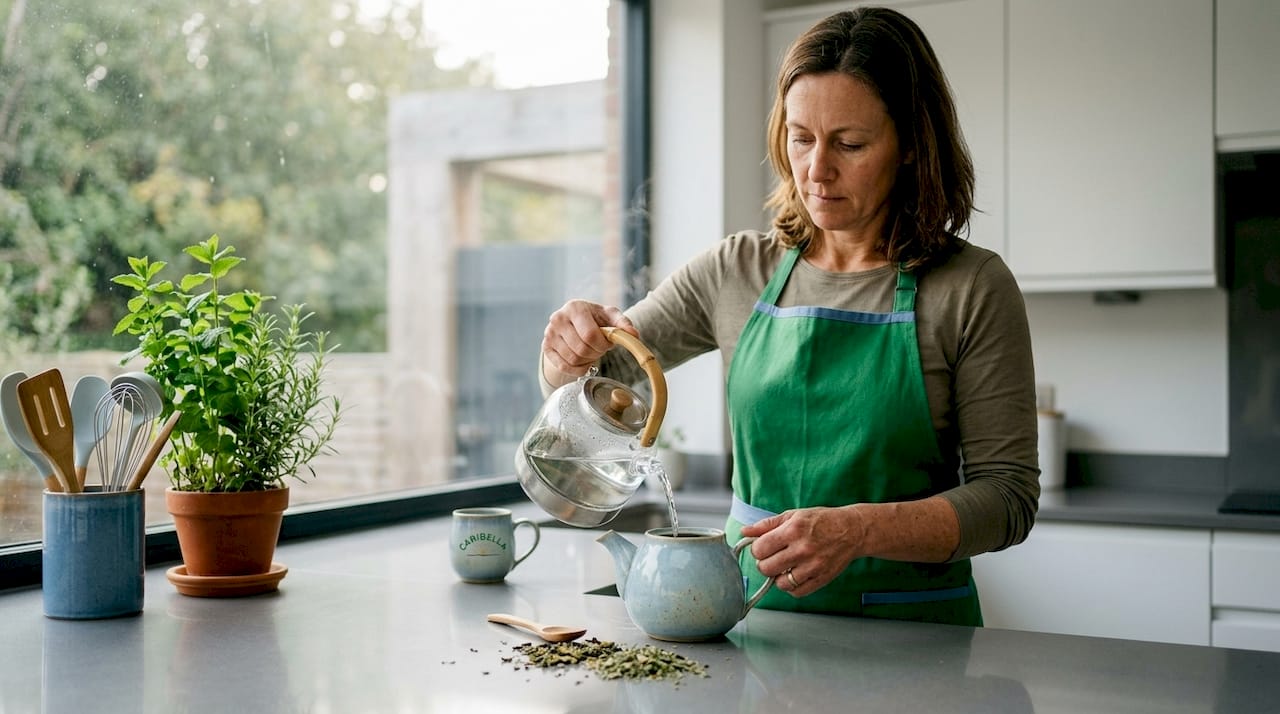
Evidence for herbal medicines is often limited, with many products relying more on traditional use than rigorous clinical research. This does not mean they are useless. It means you should weigh any potential benefit against realistic expectations, not the promises printed on the packaging.
The British Menopause Society highlights that when considering complementary options for menopause symptoms, evidence is limited and placebo effects can also influence perceived benefit. That last point is worth sitting with. Feeling better after starting a herbal remedy is valid and meaningful. But separating genuine pharmacological benefit from the natural lift that comes from taking positive action for your health is genuinely difficult, even for researchers.
Here are the most commonly sought benefits among women in their 40s and 50s in the UK, and what we currently know:
- Hot flushes and night sweats. Black cohosh and red clover isoflavones are the most studied options. Results are inconsistent across trials, but some women report modest relief.
- Energy and fatigue. Adaptogens like ashwagandha and maca have attracted attention for supporting energy and stress response, though quality studies specifically in perimenopausal women are still emerging.
- Digestive support. Ginger, peppermint, fennel, and sea moss have traditional reputations for settling digestion. Ginger and peppermint in particular have reasonable supportive data for nausea and bloating.
- Mood and sleep. Valerian root and lemon balm are widely used for sleep and anxiety. Studies are small but suggest they may take the edge off mild sleep disruption.
- Immunity and general wellbeing. Elderberry and sea moss are popular for immune support, though most evidence comes from laboratory studies rather than large clinical trials.
Pro Tip: Keep a simple symptom diary for the first four weeks of using any new herbal remedy. Note your energy levels, digestion, sleep quality, and mood each day. Patterns become visible quickly, and you will have something concrete to share with your GP.
For a closer look at how specific teas stack up against the evidence, explore our guides on herbal teas for menopause evidence and herbal teas for women’s wellbeing.
| Symptom | Commonly used herbs | Evidence level |
|---|---|---|
| Hot flushes | Black cohosh, red clover | Moderate, inconsistent |
| Low energy | Ashwagandha, maca, sea moss | Early/traditional |
| Digestive discomfort | Ginger, peppermint, fennel | Moderate for some uses |
| Poor sleep | Valerian, lemon balm | Limited but promising |
| Low mood | St John’s Wort | Reasonable for mild cases |
Essential safety tips: what every woman should know
Here is where many conversations about herbal remedies go quiet. The wellness industry does not always make safety information prominent. But for women over 40, particularly those already managing health conditions or taking prescription medicines, safety must come before any conversation about benefits.
The NHS is unambiguous: “natural” does not mean “safe”, and herbal medicines can be potentially harmful if not used correctly, including risks from interactions with other medicines. This is not scaremongering. It is a straightforward fact that reflects the genuine pharmacological activity of plant compounds.
Key safety considerations every woman should know:
- Interactions with prescription medicines. St John’s Wort, one of the most popular herbal options for low mood, is known to reduce the effectiveness of the contraceptive pill, anticoagulants, and antidepressants. Valerian can amplify the effects of sedative medications. Even garlic and ginger at high doses affect blood clotting.
- Underlying health conditions. Women with thyroid conditions, autoimmune diseases, hormone-sensitive conditions like certain breast cancers, or liver conditions should be particularly careful. Some adaptogens and phytoestrogenic herbs (those that mimic oestrogen) are unsuitable in these cases.
- Pregnancy and breastfeeding. Even in perimenopause, some women may still be fertile. Many herbal remedies are not recommended during pregnancy, and evidence on safety during breastfeeding is sparse.
- Quality and contamination risks. Unregulated herbal products bought online or from unlicensed sources may contain inconsistent quantities of active ingredients, undisclosed additives, or even contaminants.
You should consult the NHS complementary medicines advice resource if you are taking other medications and want a detailed overview of possible interactions.
Pro Tip: Before trying a new herbal product, take a photo of the label and send it to your pharmacist via their online messaging service, or mention it at your next GP appointment. This takes two minutes and can prevent a serious interaction.
Always tell your GP and pharmacist what herbal products you are taking. Many people keep this information separate from their medical history, assuming it is not relevant. It absolutely is. For further guidance on navigating this safely, our article on safe herbal remedies for menopause and the herbal tea benefits guide cover what to look for and what to avoid.
How to choose and use herbal remedies wisely
Knowing the risks is essential. But you also need a clear, practical process for making good choices. The following steps will help you select and use herbal remedies in a way that supports your health rather than complicating it.
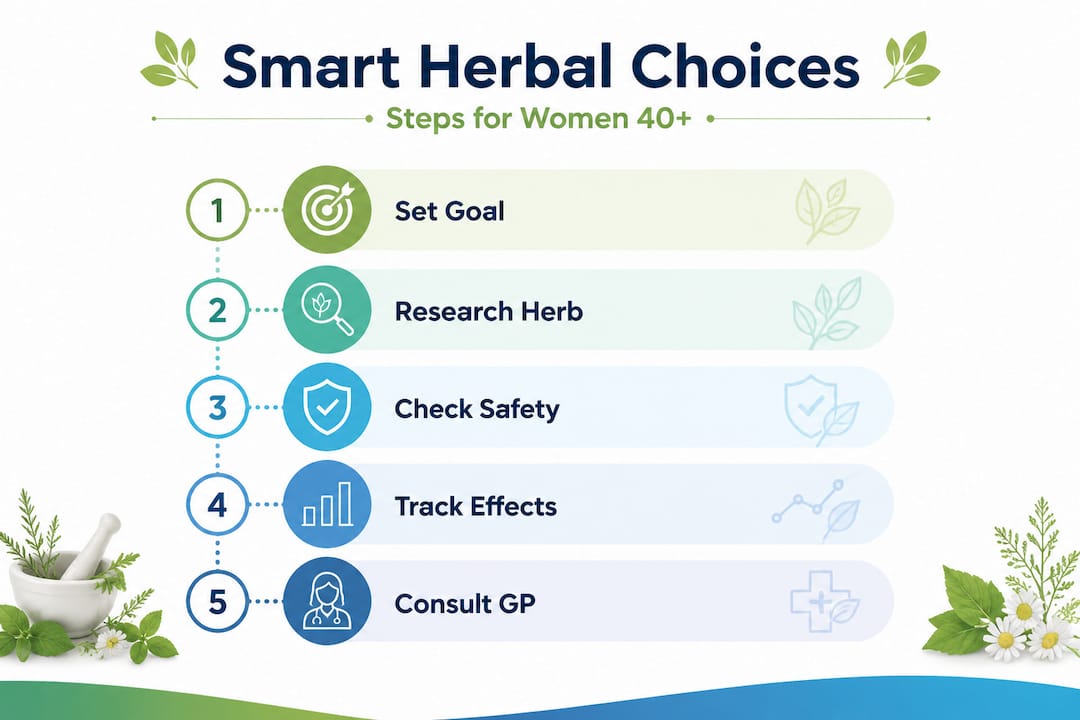
- Identify your specific symptom or goal. “I want to feel better” is too vague. Are you targeting disrupted sleep, afternoon energy slumps, bloating, or hot flushes? Starting with a clear focus makes it far easier to research appropriate remedies and track results.
- Check for interactions. Use your pharmacist as a first resource. The NHS Specialist Pharmacy Service website is also excellent for checking specific herb and medicine combinations. This is non-negotiable if you take any regular prescription medication.
- Start with one remedy at a time. Introducing several new herbal products simultaneously makes it impossible to identify what is helping and what may be causing side effects. Give each remedy at least four to six weeks of consistent use before evaluating.
- Keep a simple journal. Record your symptoms before you start, then note any changes weekly. Document sleep quality, energy, digestion, mood, and any unusual reactions. This data is invaluable both for your own awareness and for discussions with your GP.
- Reassess regularly. A remedy that helped six months ago may not be appropriate if your health situation changes, you begin a new prescription medicine, or your symptoms evolve.
| Step | Action | Why it matters | |
|---|---|---|---|
| Define your goal | Identify specific symptom | Enables targeted, trackable approach | |
| Speak to your pharmacist | Ask about interactions | Prevents potentially harmful combinations | |
| Start one remedy | Introduce gradually | Isolates effects and side effects | |
| Keep a journal | Track symptoms weekly | Builds evidence for your own health decisions | |
| Review regularly | Reassess every few months | Adapts to changing health needs | |
For those interested in infusions specifically, our guide on herbal infusions for women 40+ and the dedicated resource on herbal teas for digestive support offer practical, focused direction.
Why setting realistic expectations matters with herbal remedies
After years of watching women navigate this space, we hold one conviction firmly: the desire to explore natural remedies during perimenopause is completely valid. It comes from a genuine wish to stay in control of your own wellbeing, to avoid side effects associated with some pharmaceutical options, and to honour traditions that have supported women’s health for generations. That instinct deserves respect, not dismissal.
What does not serve you, though, is the relentless pressure from wellness marketing to expect transformation. When an herbal product promises to “balance your hormones,” “banish brain fog,” or “restore your energy in days,” those are marketing claims, not medical ones. The reality is that herbal remedies, even good ones, tend to work subtly and gradually. They support your body rather than override it. That is actually their strength, but it means patience and realistic expectations are essential.
We also want to be honest about something the wellness industry rarely admits: individual response to herbal remedies varies enormously. Your body chemistry, your existing health profile, the medications you take, and even your gut microbiome all influence how you respond to a plant extract. What works brilliantly for your friend may do nothing for you, or may not suit your specific health situation at all. This is not a failure. It is biology.
The women we see getting the most from herbal support are those who treat it as one layer of a wider wellness approach. They exercise regularly, prioritise sleep, eat well, and maintain open communication with their GP. They use herbal remedies thoughtfully, with a clear goal and a realistic timeframe. And they monitor their own responses rather than relying solely on brand promises. If you are exploring energy support specifically, our guide on herbal tea for energy reflects this grounded, practical approach.
Find trusted herbal options with Caribella
Navigating the herbal remedy market on your own can feel overwhelming, especially when so many products make similar promises with very different levels of quality behind them.
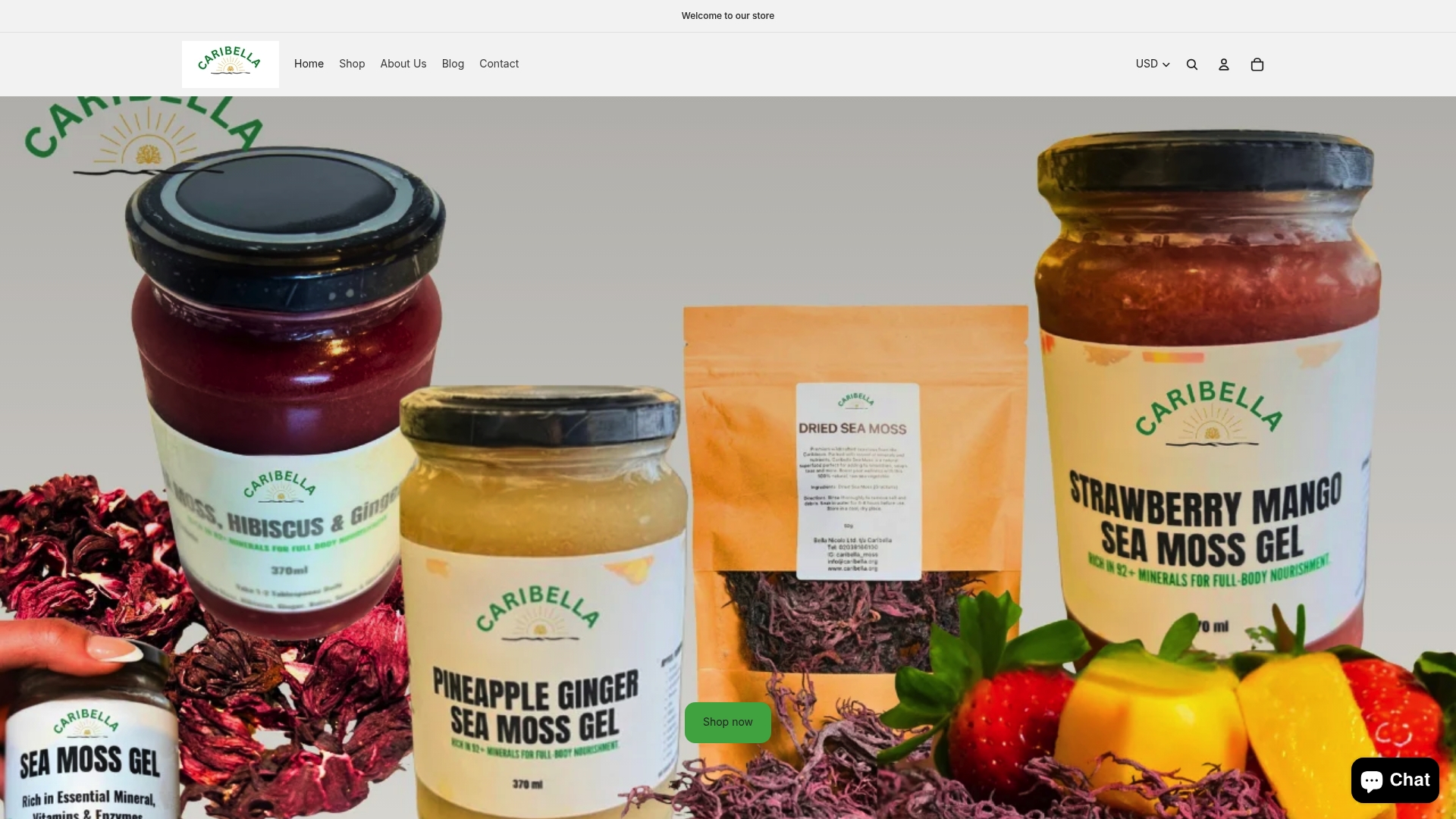
At Caribella, we offer a carefully chosen range of herbal teas, sea moss gels, and wellness products rooted in Caribbean herbal traditions and designed specifically with the needs of women over 40 in mind. Every product is made with thoughtfully selected natural ingredients to support energy, digestion, immunity, and overall wellbeing. Browse our wellness range at caribella.org and explore our wellness blog for in-depth, evidence-aware guides. As always, please consult your GP or pharmacist before introducing any new herbal product, particularly if you take prescription medicines.
Frequently asked questions
Can herbal remedies interfere with prescription medicines?
Yes, herbal products can interact with prescription medicines, making them less effective or causing harmful side effects, so always discuss any herbal remedy with your GP or pharmacist before use.
Are herbal remedies effective for menopause symptoms?
Some women report genuine benefits, but UK medical bodies confirm that evidence is often limited and effects may be modest.
Should I tell my GP if I use herbal remedies?
Absolutely. Informing your GP means they can screen for potential interactions with other medicines and ensure your overall care is co-ordinated and as safe as possible.