

Bladderwrack is everywhere in wellness circles right now, appearing in supplements, powders, and social media posts promising everything from hormone balance to glowing skin. But not all seaweeds are created equal, and bladderwrack carries a specific profile that women over 40 really need to understand before adding it to their routine. Unlike the gentler sea moss many of you may already know, bladderwrack has a potent iodine content that makes it genuinely useful in some contexts and genuinely risky in others. This article cuts through the noise, examines the real evidence, and gives you practical, honest guidance tailored to where you are right now.
Table of Contents
- What is bladderwrack? Origins and core nutrients
- How bladderwrack works: The science and the safety concerns
- Possible benefits: What do the studies actually show?
- Bladderwrack and menopause: How it fits into a midlife wellness plan
- Our take: Why bladderwrack isn’t a menopause ‘magic bullet’
- Continue your wellness journey with Caribella
- Frequently asked questions
Key Takeaways
| Point | Details |
|---|---|
| Bladderwrack basics | Bladderwrack is a nutrient-rich brown seaweed best known for its high iodine content. |
| Iodine impact | Its main physiological effect is via iodine for thyroid support, but excess can cause harm. |
| Evidence realities | Many claimed benefits are not well supported by current clinical studies for supplementation. |
| Menopause context | Bladderwrack is not a menopause-specific solution, and safety depends on individual thyroid health. |
| Wellness guidance | Personalised professional advice is best—especially for women with thyroid or hormonal concerns. |
What is bladderwrack? Origins and core nutrients
Start with the basics. Bladderwrack is a brown seaweed, scientifically named Fucus vesiculosus, harvested from the rocky Atlantic and North Sea coastlines of Europe and North America. You might also see it labelled as black tang, rockweed, or sea oak. Those characteristic air-filled bubbles along its fronds give it the “bladderwrack” name, and they help the plant float upright in tidal waters.
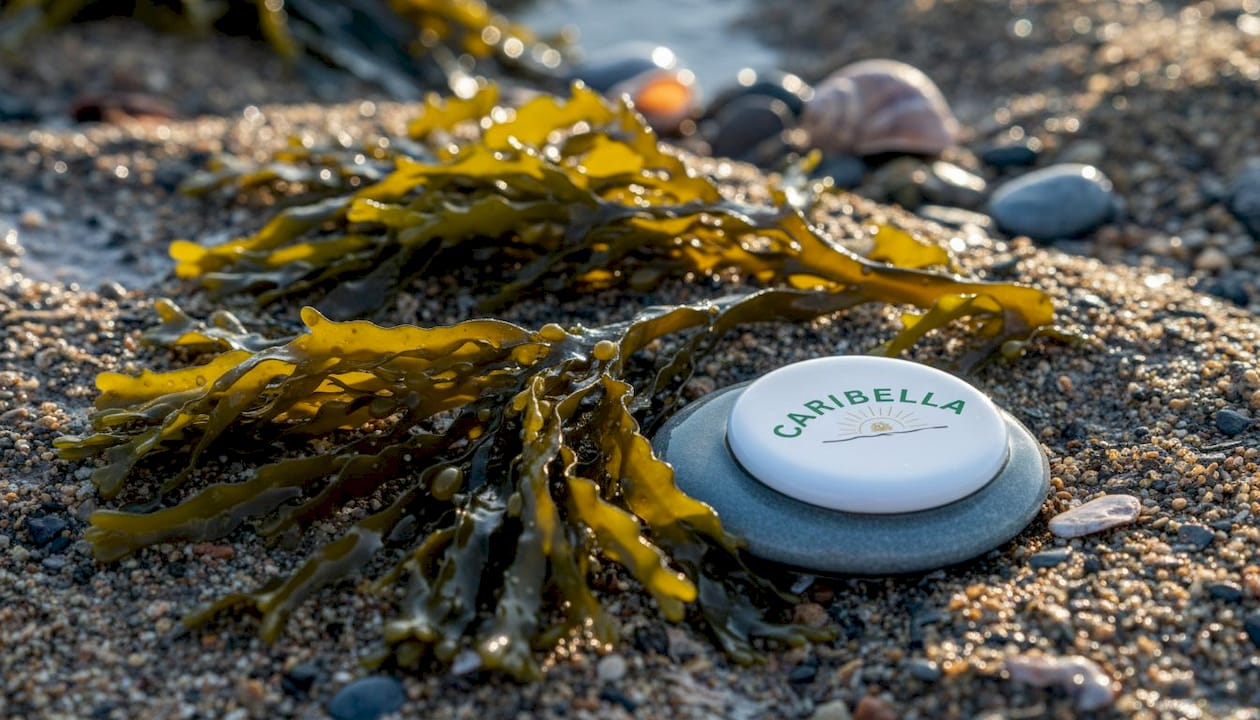
European coastal communities have eaten and used bladderwrack in herbal preparations for centuries. Early herbalists prescribed it for thyroid swelling, a condition historically linked to iodine deficiency. This long history of use is why it still carries such a reputation as a wellness staple, even though modern science asks harder questions than our ancestors did.
Key characteristics of bladderwrack at a glance:
- Dark olive-green to brown colouration with distinctive air pockets along fronds
- Grows on rocky shores in the North Atlantic and Baltic Sea
- Harvested both wild and commercially farmed
- Available as dried powder, capsules, teas, and tinctures
- Primary active constituent: iodine, alongside fucoidan, alginic acid, and trace minerals
Bladderwrack vs sea moss: a nutrient comparison
| Nutrient or feature | Bladderwrack (Fucus vesiculosus) | Sea moss (Chondrus crispus) |
|---|---|---|
| Iodine content | Very high, highly variable | Moderate, more consistent |
| Mineral diversity | Good (iron, calcium, magnesium) | Excellent (up to 92 trace minerals) |
| Fucoidan content | High | Low to none |
| Thyroid impact | Significant | Milder |
| Typical use | Thyroid support, metabolism | Gut health, immunity, skin |
| Risk level for midlife women | Moderate to high without guidance | Generally lower with standard doses |
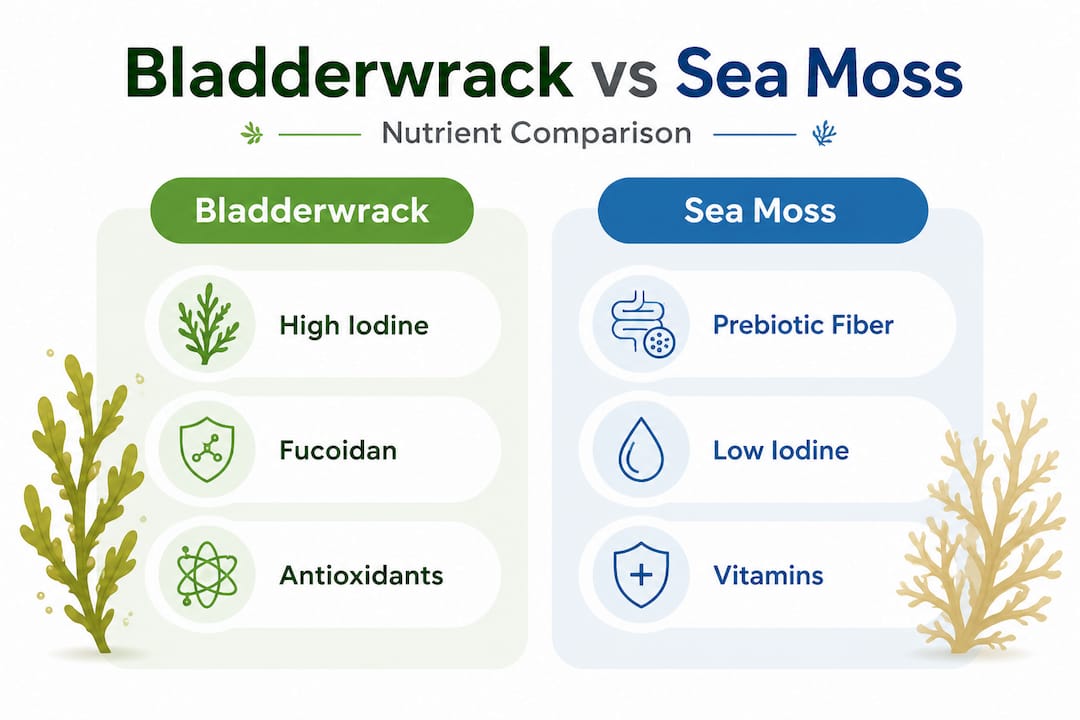
If you are already exploring our sea moss and bladderwrack capsules, this comparison helps you appreciate why the pairing needs careful attention, particularly around iodine load.
How bladderwrack works: The science and the safety concerns
Understanding bladderwrack means understanding iodine. According to research, bladderwrack is best known for its iodine content, which can influence thyroid hormone production, but that iodine content is variable across harvests and products, which is what makes supplementation genuinely tricky.
Your thyroid gland relies on iodine to produce the hormones T3 and T4, which regulate metabolism, body temperature, energy levels, mood, and weight. When iodine intake is too low, the thyroid struggles. When it is too high, the thyroid can also malfunction. This is the central paradox of bladderwrack: the same nutrient that makes it potentially beneficial also makes it potentially harmful.
Three things to understand about iodine and bladderwrack:
-
How iodine controls thyroid hormones. The thyroid uses dietary iodine as raw material for T3 and T4 synthesis. Consistent, moderate iodine intake keeps this process steady. Bladderwrack can provide a significant iodine boost, which sounds positive, but the amount per serving varies dramatically between brands and batches, making it impossible to know exactly how much you are getting.
-
Symptoms of excess or deficient iodine. Too little iodine can cause fatigue, weight gain, brain fog, and goitre. Too much iodine, however, can trigger hyperthyroidism (racing heart, anxiety, insomnia, weight loss) or, paradoxically, hypothyroidism in susceptible individuals. Women over 40 are already statistically more prone to thyroid irregularities, which raises the stakes.
-
When to avoid bladderwrack supplementation entirely. If you have a diagnosed thyroid condition, take thyroid medication such as levothyroxine, are pregnant, or have a history of thyroid cancer, bladderwrack is not appropriate for unsupervised use. Full stop.
“Iodine excess can cause thyroid dysfunction, including both hyperthyroidism and hypothyroidism, and iodine levels across seaweed products vary widely. This variability makes consistent supplementation difficult and potentially hazardous.” EBSCO Health Research
Before adding any seaweed supplement to your routine, our practical guide to herbal supplements covers the key questions to ask, and our article on safe herbal workflows for menopause provides a step-by-step framework for getting started safely.
Pro Tip: Always read the supplement label for stated iodine content per serving. If the brand does not disclose iodine levels, that is a red flag. Speak with your GP or a registered herbalist before starting any seaweed supplement, particularly if you have existing health conditions.
Possible benefits: What do the studies actually show?
With the mechanisms on the table, let’s look honestly at the evidence for popular claims. Because wellness marketing often runs well ahead of actual science, particularly with trending botanicals.
The most commonly cited benefits of bladderwrack include blood sugar management, improved skin health, and relief from menopause symptoms. Here is where the evidence actually stands.
Blood sugar control. Some early laboratory studies suggested that fucoidan, a compound in bladderwrack, might support healthy blood glucose metabolism. However, clinical evidence is limited and of low quality. One randomised study specifically looking at postprandial (after-meal) glucose and insulin responses found no statistically significant difference between bladderwrack and a placebo. That is a meaningful null result. It does not mean bladderwrack has zero metabolic activity, but it does mean you should not choose it primarily for blood sugar support.
Skin health. Bladderwrack does contain antioxidants, fucoidan, and compounds that show in vitro (laboratory) activity related to collagen support and skin hydration. However, most studies showing visible skin improvements have used mixtures of several seaweeds, not bladderwrack alone. Comparing the evidence on dedicated sea moss for skin health suggests sea moss may be the stronger solo performer for skin-related goals.
Menopause symptom support. This is where expectation most frequently outpaces evidence. No robust clinical trials have shown bladderwrack to significantly reduce hot flushes, night sweats, or mood changes associated with perimenopause. Its impact on oestrogen metabolism remains largely theoretical at this stage.
Evidence summary: what is supported and what is not
| Claimed benefit | Evidence level | Notes |
|---|---|---|
| Thyroid support via iodine | Moderate (mechanism known) | Only relevant if iodine deficient |
| Blood sugar management | Weak | Single-dose trials show no effect |
| Skin health improvement | Limited, mixed | Mostly multi-seaweed studies |
| Menopause symptom relief | Anecdotal | No clinical trials to support |
| Gut health | Early/preclinical | Fucoidan studies only |
| Weight management | Very weak | No robust human evidence |
Claims with the weakest evidence base:
- Hormonal balance in menopausal women
- Direct weight loss effects
- Sustained blood sugar regulation
- Fertility support
For a broader picture of what herbal teas for women’s wellbeing offer compared to isolated seaweed supplements, it is worth broadening your reading. Our article on Irish moss for women over 40 also provides a helpful comparison of seaweed options with stronger overall evidence profiles for this age group.
Bladderwrack and menopause: How it fits into a midlife wellness plan
Here is the honest truth that tends to get lost in the marketing: bladderwrack is not a menopause-specific remedy. Its primary physiological relevance is through the thyroid and iodine axis, not through direct hormonal modulation. This is a critical distinction, especially because thyroid disorders become more prevalent in women as they age, and perimenopause itself can trigger or worsen thyroid imbalances.
What this means in practice is that bladderwrack could indirectly influence how you feel during menopause if you happen to be mildly iodine deficient and your thyroid has been running sluggishly. In that narrow scenario, cautious, monitored supplementation might improve energy and metabolism. But this is very different from bladderwrack being a general solution for hot flushes, mood swings, or sleep disruption.
Women who should be especially cautious:
- Those with diagnosed hypothyroidism or hyperthyroidism
- Anyone currently taking levothyroxine or anti-thyroid medication
- Women with autoimmune thyroid conditions such as Hashimoto’s or Graves’ disease
- Those who are pregnant or breastfeeding
- Anyone with kidney conditions, as excess iodine increases renal load
You can explore bladderwrack risks and edge cases in more depth to understand where the clinical boundaries sit.
Natural alternatives often considered for menopause support:
- Sea moss gel (mineral-rich, gut-supportive, gentler iodine profile)
- Herbal teas formulated for menopause, including red clover, sage, and ashwagandha blends
- Magnesium-rich foods and sea moss nutrition for sleep and bone health
- Regular movement and resistance training for metabolic support
- Adaptogenic herbs such as maca, rhodiola, and holy basil
Pro Tip: If you are tempted by bladderwrack for menopause relief, book a thyroid function test with your GP first. Knowing your baseline T3, T4, and TSH levels gives you and your practitioner meaningful data to work from, rather than guessing.
Our take: Why bladderwrack isn’t a menopause ‘magic bullet’
We have seen ingredient after ingredient cycle through wellness culture with enormous fanfare, only for the evidence to arrive quietly later and paint a more modest picture. Bladderwrack is following that same pattern. It is not a bad ingredient. It is a specific ingredient with a genuine mechanism, real risks, and a relatively narrow window of appropriate use.
What frustrates us is that women in their 40s and 50s are often the most targeted by wellness marketing promising effortless solutions to complex physiological transitions. Menopause is real, its symptoms are real, and the desire for plant-based, natural support is completely understandable. But chasing a single trending ingredient, particularly one with an unpredictable iodine load, is rarely the answer.
The women we see thriving in midlife are not the ones who found one miracle supplement. They are the ones who built consistent, layered routines using foods and supplements with complementary benefits, paid attention to how their bodies responded, stayed curious, and made changes based on feedback rather than trends.
Bladderwrack may well have a role in your wellness plan, but only if your iodine status genuinely supports it, only with practitioner guidance, and only as one small part of a much broader approach. Our practical herbal supplement advice is designed precisely to help you navigate these decisions without feeling overwhelmed or misled.
The best natural solution is always the one that fits your unique body, not the one that is trending this season.
Continue your wellness journey with Caribella
Navigating midlife wellness is complex, and the last thing you need is products that overpromise and underdeliver.
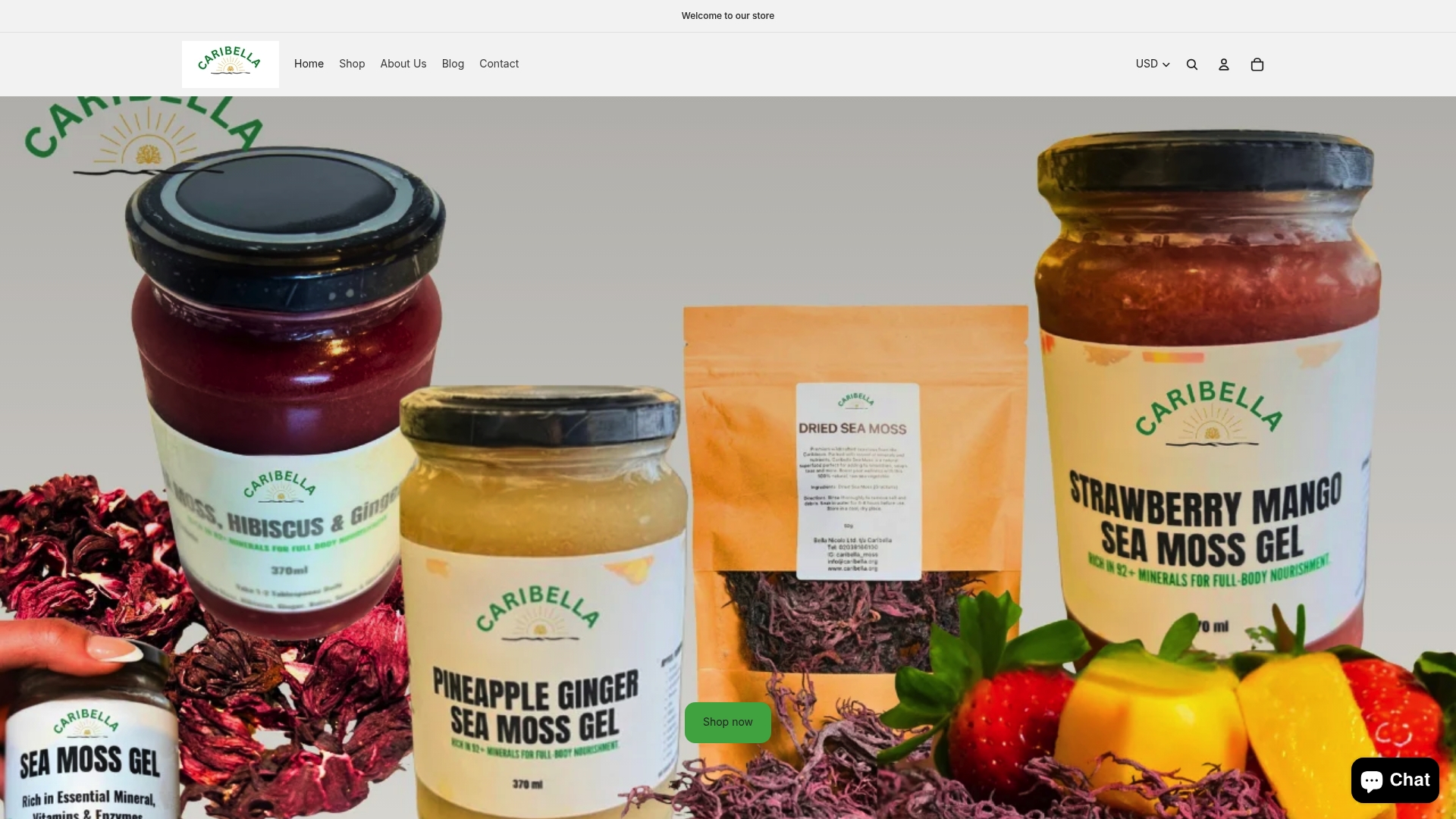
At Caribella, we have built our range around transparency, quality, and genuine relevance to women over 40. Our sea moss gels are crafted with care to support digestion, energy, and minerals without the iodine unpredictability of bladderwrack. If you are curious about bladderwrack in a controlled, balanced format, our women’s wellness capsules are formulated with that balance in mind. And for daily ritual support, our herbal tea collection offers thoughtful blends designed for the specific rhythms of midlife. We are here to support your whole journey, not just sell you a trend.
Frequently asked questions
What is the difference between bladderwrack and sea moss?
Bladderwrack and sea moss are different seaweed species with distinct nutrient profiles; bladderwrack is especially high in iodine, while sea moss is prized for broad mineral content and tends to be gentler on thyroid function for most women.
Can I take bladderwrack daily if I have thyroid issues?
With a thyroid condition or thyroid medication, you should avoid bladderwrack unless a clinician specifically advises it, as variable iodine content can disrupt already sensitive hormone balance.
Is bladderwrack safe for menopausal women?
Bladderwrack is not a menopause-specific remedy and is not appropriate for every woman; speak with your GP before trialling it, particularly if you have any thyroid history.
What are the main side effects of bladderwrack supplements?
Excess bladderwrack can cause thyroid dysfunction, ranging from hyperthyroidism to hypothyroidism depending on individual sensitivity, and iodine levels across products vary widely enough to make dosing unpredictable.
Is there any strong evidence that bladderwrack supports blood sugar balance?
The evidence is weak overall; a specific single-dose clinical trial measuring glucose and insulin response found no significant effect compared to placebo, suggesting blood sugar support should not be a primary reason to take bladderwrack.