

The best teas for post-workout recovery are defined by their concentration of anti-inflammatory and antioxidant compounds, specifically gingerol, EGCG, and curcumin, which reduce muscle soreness, limit oxidative stress, and restore hydration after exercise. For fitness enthusiasts aged 30 to 50, choosing the right post-workout recovery tea is not guesswork. Ginger, green tea, rooibos, and chamomile each target distinct phases of muscle repair, and timing your intake correctly determines how much benefit you actually receive. Caribella’s plant-based approach to recovery draws on these same Caribbean herbal traditions to support what your body needs after hard training.
What makes a tea effective for post-workout recovery?
Post-workout recovery teas work through three primary mechanisms: reducing inflammation, neutralising free radicals, and replenishing minerals lost through sweat. Each mechanism corresponds to a specific class of compound found in different tea types.
Anti-inflammatory compounds are the most studied. Gingerol and shogaol in ginger suppress prostaglandin synthesis, the same pathway targeted by ibuprofen. EGCG (epigallocatechin gallate) in green tea reduces oxidative stress and limits the inflammatory cascade triggered by intense exercise. Curcumin in turmeric blocks NF-kB, a protein complex that drives chronic inflammation in overworked muscle tissue.
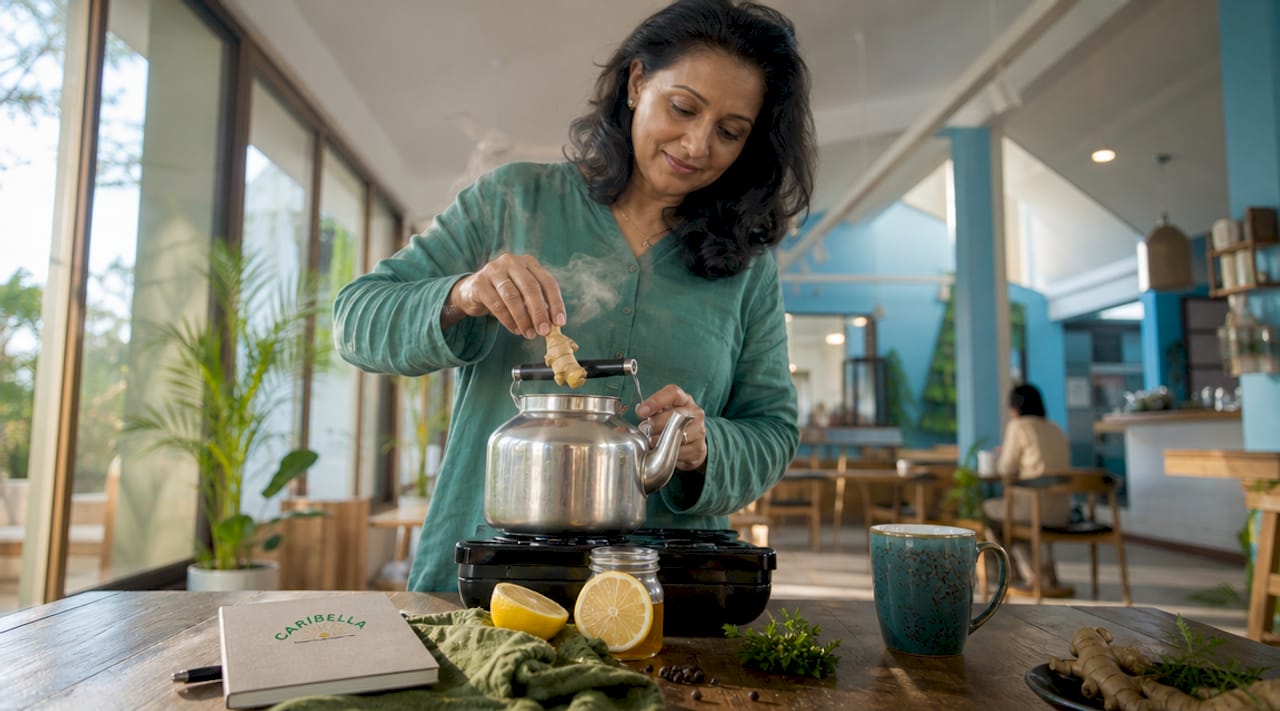
Mineral replenishment is where herbal teas like rooibos outperform standard sports drinks in one key respect: they deliver magnesium and calcium without added sugar or artificial electrolytes. Rooibos contains minerals that prevent muscle cramps and spasms, making it particularly useful for endurance athletes or anyone training in warm conditions.
Caffeine content is the variable most people overlook. Green tea contains moderate caffeine, which supports alertness and fat oxidation immediately post-workout but disrupts sleep if consumed in the evening. Rooibos and chamomile are caffeine-free, making them the correct choice for your recovery window after 6 pm.
- Anti-inflammatory: Ginger, turmeric, green tea
- Antioxidant-rich: Green tea (EGCG), rooibos, lemon berry blends
- Mineral-replenishing: Rooibos, chamomile
- Sleep-supporting: Chamomile, rooibos
- Caffeine-free: Rooibos, chamomile, most herbal blends
Pro Tip: If you train in the evening, switch to rooibos or chamomile immediately after your session. Consuming caffeinated green tea after 6 pm delays sleep onset and reduces the deep sleep your muscles need to repair.
1. Ginger tea
Ginger tea is the single most evidence-backed choice for delayed onset muscle soreness (DOMS), the deep ache that peaks 24 to 72 hours after intense training. Consuming 2 to 3 cups daily during this window measurably reduces soreness and inflammation. That is a specific, actionable protocol, not a vague wellness suggestion.
Preparation matters enormously here. Simmering fresh ginger root for 15 to 20 minutes extracts far more gingerol and shogaol than simple steeping. Grate 1.5 to 2 inches of fresh root, add it to cold water, bring to a simmer, and hold it there for the full duration. The resulting concentrate is noticeably more potent than a standard teabag version.
Ginger pairs well with lemon, which adds vitamin C for connective tissue repair, and with black pepper, which amplifies the bioavailability of anti-inflammatory compounds. Batch-prepare a litre of concentrate at the start of the week and refrigerate it. You can drink it warm or cold depending on how your body feels after training.
2. Green tea
Green tea is the best choice for the immediate post-workout window, ideally within 30 to 60 minutes of finishing your session. High EGCG levels in green tea suppress the peak inflammatory response that follows intense exercise, and research shows that green tea combined with exercise leads to better metabolic adaptation over time. That means your body becomes more efficient at the same training load.
Brew green tea at 70 to 80°C rather than boiling water. Boiling water degrades EGCG and produces a bitter taste that most people find unpleasant. Steep for two to three minutes, no longer. Japanese varieties like Sencha and Matcha contain the highest EGCG concentrations among commercially available green teas.
If your core temperature is still elevated after a hard session, cold-brewed green tea is a practical alternative. Iced green tea helps cool the body while delivering the same antioxidant load, making it particularly useful after outdoor runs or high-intensity interval training in warm weather.
3. Rooibos tea
Rooibos is the most versatile herbal tea for post-workout use because it is caffeine-free, mineral-rich, and genuinely pleasant to drink without added sweetener. Rooibos replenishes electrolytes lost through sweat, with natural magnesium and calcium content that directly supports muscle function and cramp prevention. For anyone training more than four times per week, this matters.
Rooibos also works as a base for combination brews. A cup of rooibos chai with fresh ginger and lemon covers multiple recovery pillars in a single brew: mineral replenishment, anti-inflammatory action, antioxidant support, and connective tissue repair. This is one of the most efficient recovery drinks you can make without synthetic ingredients.
Drink rooibos in the evening, after your post-workout meal. Its mineral content supports overnight muscle repair, and its absence of caffeine means it will not interfere with the deep sleep that drives the majority of physical recovery.
4. Turmeric tea (golden milk)
Turmeric tea, often called golden milk when prepared with a plant-based milk base, delivers curcumin, one of the most studied anti-inflammatory compounds in sports nutrition. Combining turmeric with black pepper dramatically increases curcumin absorption. Without piperine (the active compound in black pepper), most curcumin passes through the digestive system without being absorbed.
Add half a teaspoon of ground turmeric, a quarter teaspoon of black pepper, and a small piece of fresh ginger to warm oat or coconut milk. This combination amplifies the DOMS-relief effect beyond what any single ingredient achieves alone. It is also a genuinely satisfying drink that works well as an evening recovery ritual.
Turmeric tea is best consumed two to four hours after training rather than immediately post-workout. This timing aligns with the secondary inflammatory wave that follows the initial acute response, giving curcumin the best opportunity to act.
5. Chamomile tea
Chamomile is the recovery tea most people underestimate. Its primary benefit is not anti-inflammatory action but nervous system regulation and sleep quality improvement. Chamomile calms the nervous system and supports the transition into deep sleep, which is when growth hormone is released and muscle protein synthesis peaks.
For athletes and fitness enthusiasts aged 30 to 50, sleep quality often declines with age, and training stress compounds this. A cup of chamomile 30 to 45 minutes before bed is a low-cost, zero-risk intervention that consistently improves recovery outcomes when practised regularly.
Chamomile also contains mild antispasmodic properties, meaning it can ease the muscle tightness and restlessness that sometimes follows an intense training session. Pair it with a magnesium supplement or a magnesium-rich food like pumpkin seeds for a stronger combined effect on muscle relaxation.
6. Lemon berry herbal blends
Lemon and berry-based herbal teas deliver vitamin C and polyphenols that support collagen synthesis and reduce exercise-induced oxidative damage. Vitamin C is directly involved in the repair of connective tissue, tendons, and ligaments, structures that take longer to recover than muscle fibres and are often the limiting factor in training frequency for people over 35.
These blends are also among the most refreshing post-workout options, particularly when served cold. Cold-brewed lemon berry blends reduce inflammation and help lower core temperature after intense sessions. They are a practical choice for summer training or anyone who finds hot drinks unappealing immediately after exercise.
Look for blends that contain rosehip, hibiscus, or elderberry alongside lemon. These ingredients add anthocyanins and flavonoids that extend the antioxidant benefit beyond what vitamin C alone provides. Caribella’s herbal teas for gym-goers include blends specifically formulated with recovery in mind.
7. Combination brews and synergistic blends
The most experienced tea drinkers in the recovery space do not rely on a single variety. Timing and tea type tailored to recovery phases consistently outperform any single-tea approach. Green tea immediately post-workout, ginger during the DOMS window, and chamomile or rooibos in the evening is a phased protocol that addresses inflammation, oxidative stress, mineral loss, and sleep quality in sequence.
Ginger and turmeric combine particularly well because gingerol and curcumin act on overlapping but distinct inflammatory pathways. Adding black pepper to either amplifies absorption. Lemon adds vitamin C and brightens the flavour profile without interfering with the active compounds.
Pro Tip: Prepare a weekly tea batch on Sunday. Brew a litre of ginger concentrate, a litre of cold-brew green tea, and a batch of rooibos. Store them in the fridge and rotate based on your training schedule and time of day. This removes the friction of daily preparation and makes consistent tea consumption genuinely easy.
How to optimise your tea consumption for best results
Timing is the most underutilised variable in post-workout tea consumption. Green tea’s catechins work best immediately post-exercise to suppress peak inflammation, while caffeine-free herbal blends support overnight muscle repair through sleep quality enhancement. These are not interchangeable.
- Immediately post-workout (0 to 60 minutes): Green tea or cold-brewed lemon berry blend. Prioritise antioxidant and anti-inflammatory action while your metabolism is still elevated.
- Two to four hours post-workout: Ginger or turmeric tea. Target the secondary inflammatory wave and support connective tissue repair.
- Evening (two hours before bed): Rooibos or chamomile. Replenish minerals, support nervous system recovery, and prime your body for deep sleep.
- During the DOMS window (24 to 72 hours post-session): Maintain 2 to 3 cups of ginger tea daily. This is the period where consistent anti-inflammatory intake produces the most noticeable soreness reduction.
Tea is a supportive recovery aid, not a standalone solution. Tea complements protein intake, stretching, and sleep rather than replacing them. Treat it as one pillar of a structured recovery routine, alongside adequate protein (1.6 to 2.2g per kg of bodyweight), mobility work, and seven to nine hours of sleep. You can read more about combining tea with herbal recovery snacks for a more complete post-session protocol.
Pro Tip: For hydration, count your post-workout tea intake toward your daily fluid target. Herbal teas are essentially mineral water with added bioactive compounds. Two to three cups contribute meaningfully to rehydration without the sugar load of commercial sports drinks.
Comparison of teas by recovery need
| Tea | Key compound | Caffeine | Best timing | Primary benefit |
|---|---|---|---|---|
| Green tea | EGCG | Moderate | Immediate post-workout | Antioxidant, anti-inflammatory |
| Ginger tea | Gingerol, shogaol | None | DOMS window (24 to 72 hrs) | Soreness reduction |
| Rooibos | Aspalathin, minerals | None | Evening | Electrolyte replenishment |
| Turmeric tea | Curcumin | None | 2 to 4 hrs post-workout | Deep anti-inflammatory |
| Chamomile | Apigenin | None | Pre-sleep | Sleep quality, muscle relaxation |
| Lemon berry blend | Vitamin C, anthocyanins | None | Immediate or cold-brew | Connective tissue, cooling |
The table above makes one pattern clear: no single tea covers all recovery needs. Green tea handles acute inflammation but is unsuitable for evening use. Chamomile supports sleep but contributes little to daytime inflammation management. A phased approach using two or three teas across the day is the most complete strategy available without supplements.
Key takeaways
The most effective post-workout tea protocol uses green tea immediately after exercise, ginger during the DOMS window, and caffeine-free rooibos or chamomile in the evening to address inflammation, soreness, and sleep quality in sequence.
| Point | Details |
|---|---|
| Timing determines effectiveness | Match tea type to recovery phase: green tea post-workout, herbal teas in the evening. |
| Ginger requires simmering | Steep for 15 to 20 minutes to extract gingerol and shogaol for maximum soreness relief. |
| Rooibos replenishes minerals | Natural magnesium and calcium content prevents cramps and supports overnight repair. |
| Black pepper amplifies curcumin | Always add black pepper to turmeric tea to significantly increase absorption. |
| Tea supports, not replaces | Combine tea intake with protein, sleep, and stretching for genuine recovery outcomes. |
Why I stopped looking for one perfect recovery tea
I spent a long time searching for the single best tea to drink after training. Ginger was the obvious front-runner given the research, and it genuinely works. But the real shift came when I stopped treating tea as a supplement and started treating it as a protocol.
What I have found consistently is that the combination matters more than any individual brew. Green tea in the first hour after training, ginger through the following day when soreness peaks, and rooibos or chamomile in the evening produces noticeably better recovery than any single option drunk at random times. The role of herbs in recovery is cumulative and timing-dependent, not a one-cup fix.
The other thing worth saying plainly: the ritual itself has value. Sitting down with a warm cup of ginger tea the morning after a hard session is a deliberate act of recovery. It signals to your body and your mind that the work is done and repair has begun. That psychological dimension is real, even if it does not show up in a clinical trial. For people over 35 who are managing training alongside work and family, building that recovery ritual is often the difference between consistent progress and chronic fatigue.
Experiment with blends. Add lemon to your ginger. Try rooibos chai with coconut milk on rest days. The natural hydration benefits of herbal teas compound over weeks, not days. Give it a month of consistent, phased use before judging the results.
— Nicole
Recover better with Caribella herbal teas
Caribella’s herbal tea range is built around the same principles covered in this article: plant-based ingredients with genuine bioactive properties, sourced with care and inspired by Caribbean wellness traditions.
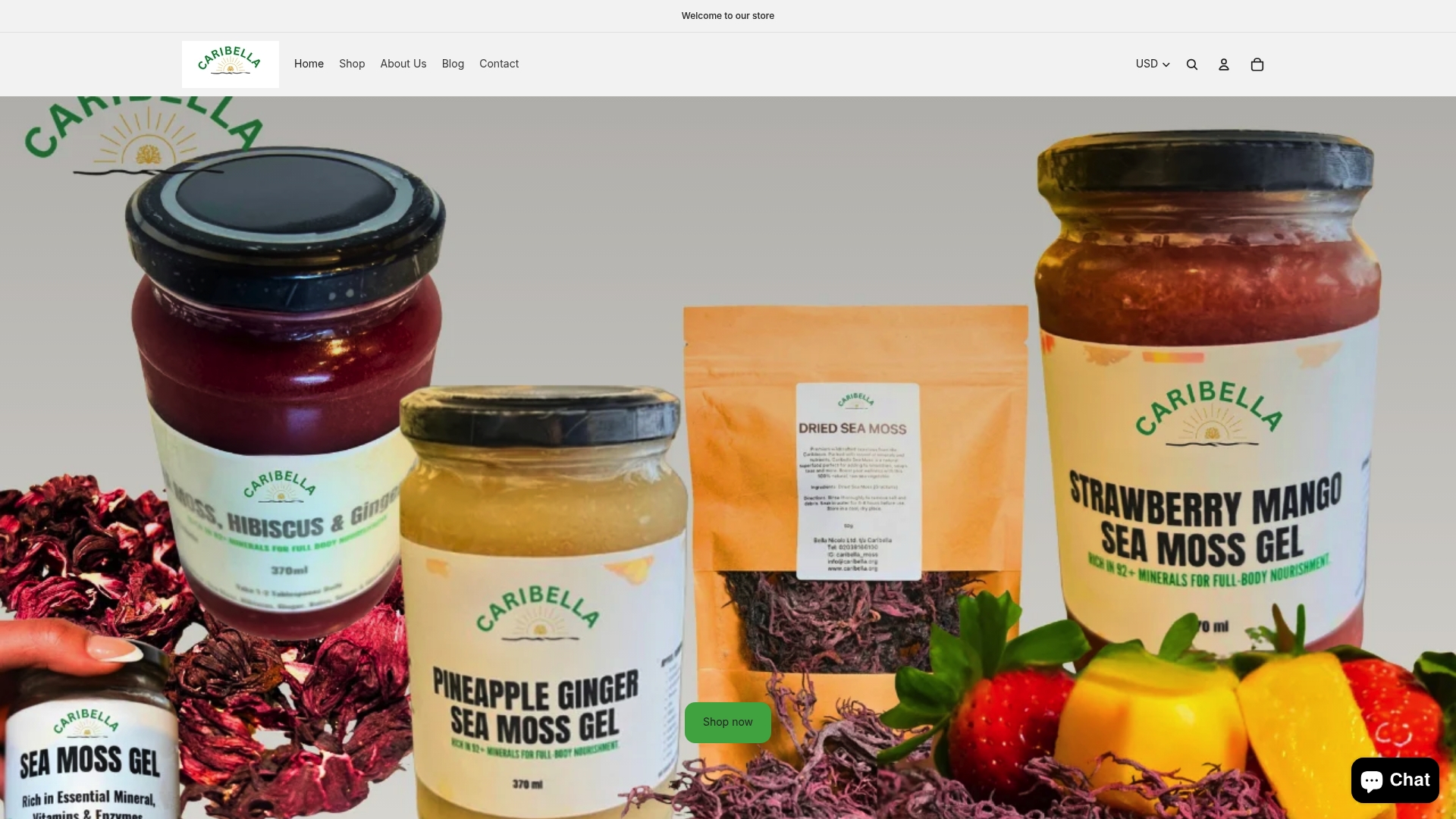
The collection includes ginger-forward blends and rooibos-based teas designed to support energy, muscle recovery, and restful sleep, without synthetic additives or unnecessary fillers. If you are serious about your post-workout routine, these teas are a natural fit alongside your existing recovery practices. Explore Caribella’s herbal tea collection and find the blends that match your training schedule and recovery goals. For a broader wellness approach, Caribella’s sea moss gels complement tea-based routines with additional plant-based nutritional support.
FAQ
Which tea is best immediately after a workout?
Green tea is the best choice immediately post-workout due to its high EGCG content, which suppresses the acute inflammatory response. Drink it within 30 to 60 minutes of finishing your session, brewed at 70 to 80°C for maximum antioxidant retention.
How do I prepare ginger tea for muscle soreness?
Grate 1.5 to 2 inches of fresh ginger root and simmer in water for 15 to 20 minutes. This extended simmering extracts gingerol and shogaol more effectively than steeping and produces a concentrate potent enough to reduce DOMS when consumed 2 to 3 times daily.
Can I drink herbal teas after exercise every day?
Yes. Caffeine-free herbal teas like rooibos and chamomile are safe for daily consumption and actively support recovery through mineral replenishment and sleep quality improvement. Green tea is best limited to morning or early afternoon use to avoid sleep disruption.
What is the best detox tea for athletes?
Lemon berry herbal blends containing rosehip, hibiscus, or elderberry offer the strongest antioxidant and detoxifying effect for athletes. These blends support liver function, reduce oxidative stress, and aid connective tissue repair without stimulants.
Should I drink tea hot or cold after exercise?
Both work, but cold-brewed or iced tea is preferable immediately after intense exercise when core temperature is elevated. Hot tea is more appropriate during the DOMS window (24 to 72 hours post-session) when warming the body supports circulation and muscle relaxation.